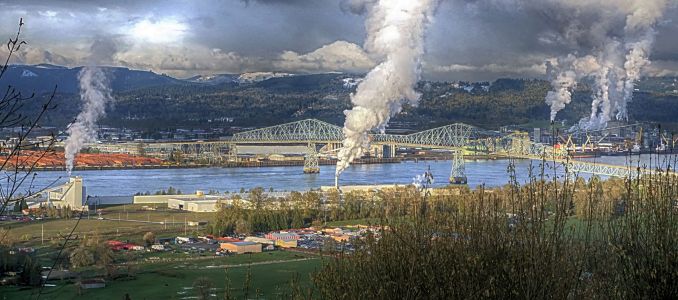
Investigators gain full access to the site to determine the cause of the fatal incident and connect affected families with state benefits.
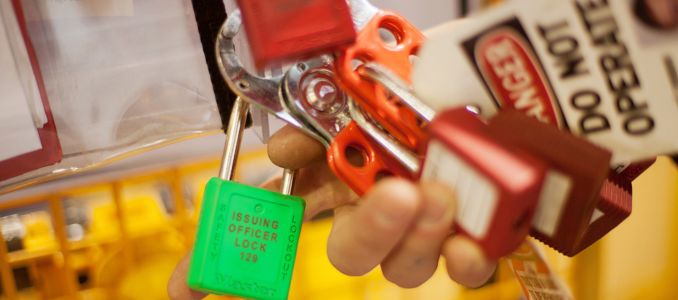
A federal safety investigation into a meat grinder incident that cost an employee four fingers reveals willful and serious safety violations.
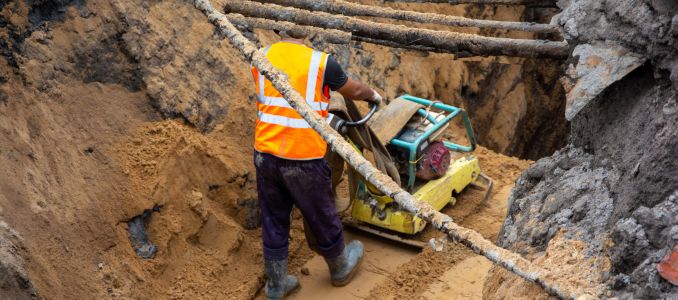
New regulation requires contractors to submit a detailed written safety plan before digging begins to prevent fatal cave-ins.
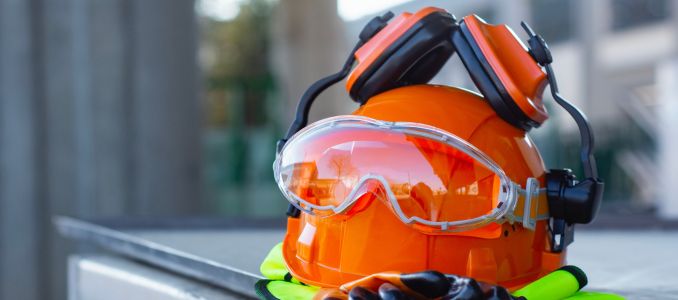
Initial conference events focused on occupational health risks, regulatory updates and workplace safety technology.
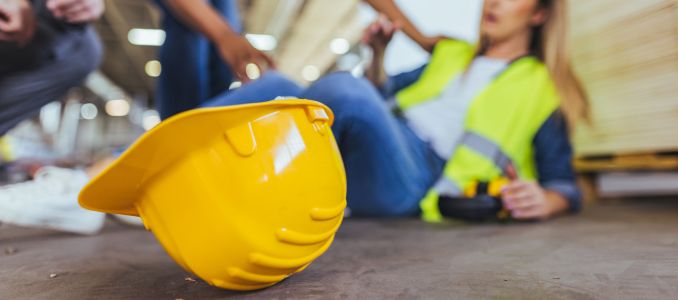
The campaign offers weekly resources to target preventable injuries nationwide.
The J. J. Keller SPOTY Awards recognize environmental, health and safety professionals with prize packages worth up to $47,200.
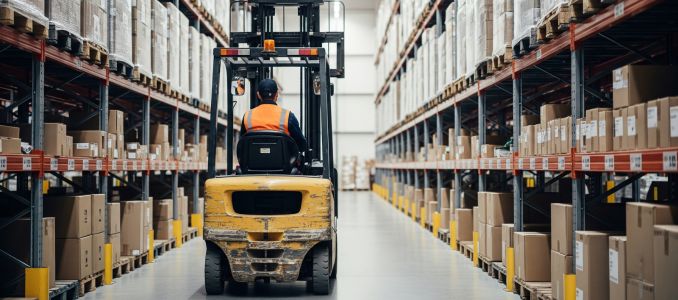
The Industrial Truck Association will host its annual event focused on reducing workplace accidents and improving operator education.
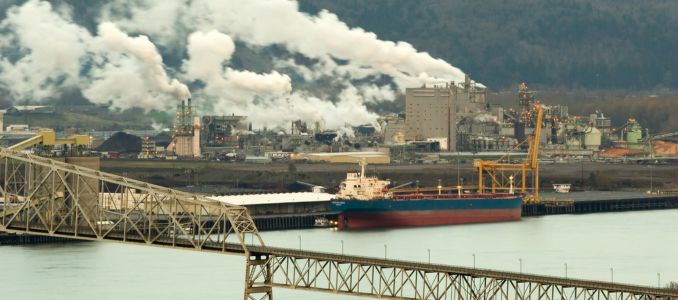
A chemical tank rupture in Longview spilled 500,000 gallons of corrosive liquid, marking one of the nation's deadliest workplace disasters in years.

Washington labor officials remind businesses of safety requirements and restricted duties for minors.
The American Industrial Hygiene Association has begun looking for a new chief executive officer following an announcement that its current leader will step down this year.
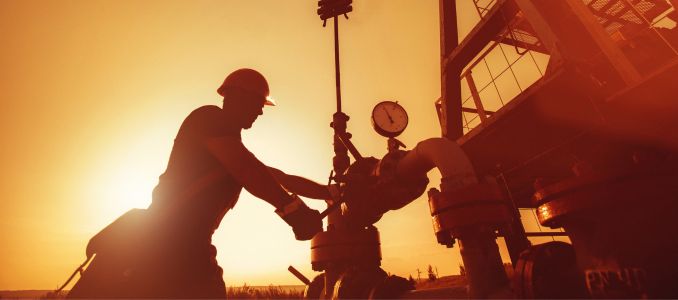
Asbestos and NORM exposures remain a persistent risk in maintenance and aging infrastructure. Proper hazard identification and advanced PPE strategies are critical to protecting workers in complex, multi-hazard environments.
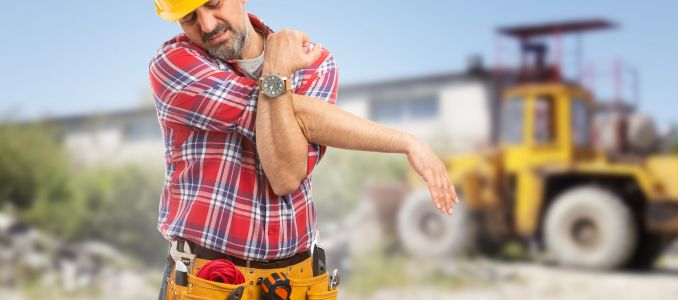
How workforce wellness, PPE fit and fatigue reduction are transforming safety programs from reactive protection into proactive performance strategies.
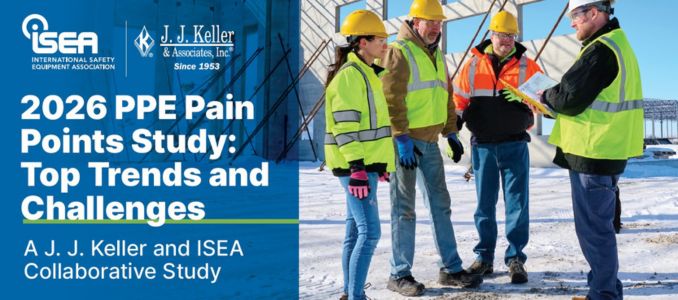
New research shows companies struggle with employee buy-in, comfort and proper fit for female workers.
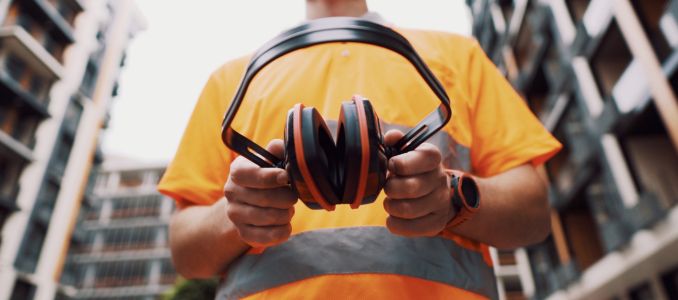
Beyond permanent hearing loss, constant background industrial sounds cause dangerous mental fatigue, alarm desensitization and critical communication failures.
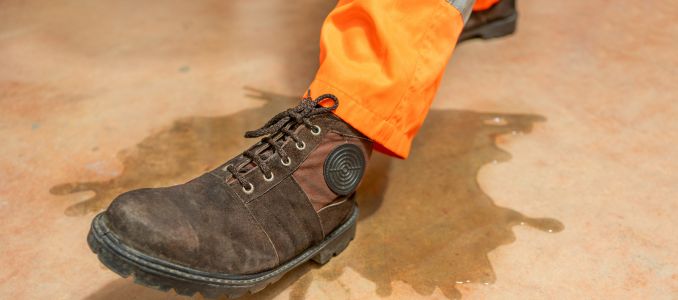
Minimizing close calls leaves companies vulnerable to OSHA violations, but shifting to digital safety check-ins captures hazards before injuries happen.
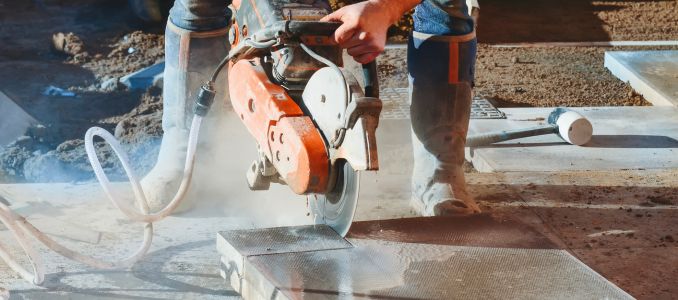
State safety board fast-tracks an emergency rule to protect countertop fabrication workers from incurable lung disease.
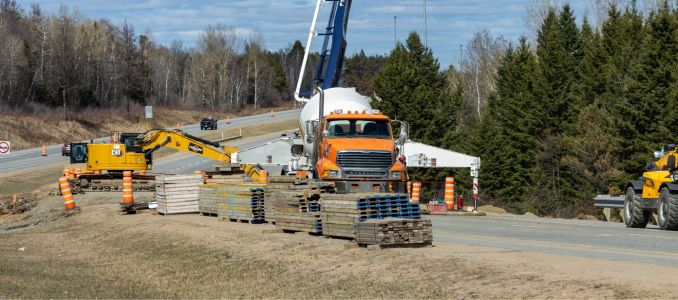
Active work zones remain highly dangerous as safety teams deploy drone imagery, digital navigation alerts and wearable PPE strobes to protect crews.
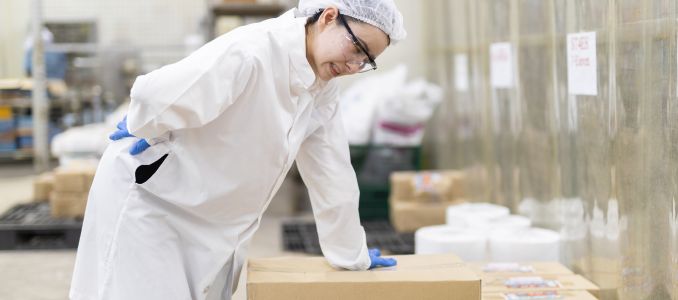
A safety organization funds projects using artificial intelligence, wearable sensors and robotics to reduce common worker injuries.
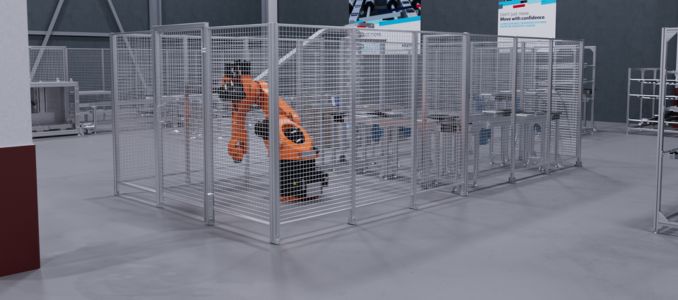
Aluminum framing adapts to the automation era as factory operators use layout software to protect human workers and flexible robotic cells.
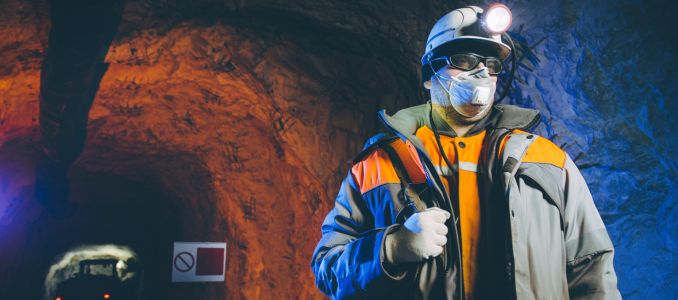
Advocates voice deep concerns over sudden firings and layoffs at the federal agency reviewing mine safety disputes.