Prevent the Incident Before It Starts with a Safety Multiplier
How workforce wellness, PPE fit and fatigue reduction are transforming safety programs from reactive protection into proactive performance strategies.
- By Janelle Kinnaird
- May 27, 2026
For decades, personal protective equipment (PPE) programs have focused primarily on one outcome: injury prevention.
But across manufacturing, warehousing, logistics, utilities, and other labor-intensive industries, safety leaders are beginning to reevaluate PPE through a wider operational lens. The conversation is shifting beyond compliance and hazard protection toward a more complex question:
What happens when PPE negatively influences how the body performs during work?
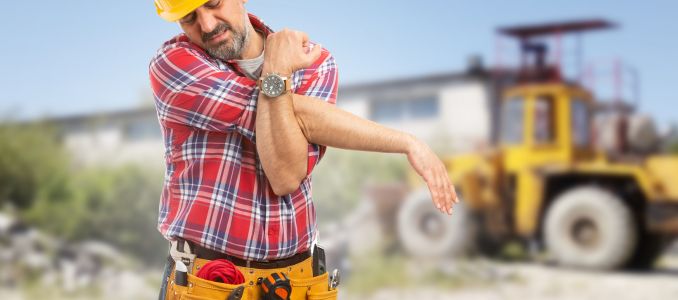
That question is gaining urgency as organizations face rising musculoskeletal disorder (MSD) claims, workforce fatigue, retention challenges, and increasing pressure to demonstrate stronger safety management systems. In many environments, employees spend eight to twelve hours standing, walking, lifting, climbing, or performing repetitive motion tasks. The physical strain accumulated during those shifts often affects far more than comfort.
It affects attention, stability, endurance, movement quality, and ultimately, risk.
The Expanding View of PPE Fit
OSHA’s PPE standard 1910.132 requires employers to select PPE that “properly fits each affected employee (1).”
Historically, many organizations interpreted “fit” narrowly: does the equipment meet minimum sizing requirements and remain wearable during the task?
Today, safety professionals are increasingly viewing fit as a functional safety control rather than a simple sizing issue. Poorly fitting PPE can alter body mechanics, restrict movement, increase fatigue, and encourage employees to modify or avoid equipment altogether.
Safety footwear offers one of the clearest examples. Boots that are too narrow, too loose, improperly cushioned, or poorly aligned to an employee’s foot shape can contribute to instability, heel slippage, altered gait patterns, and increased lower-body strain from misalignment. Over time, those stresses may contribute to fatigue accumulation and repetitive strain injuries.
The implications extend beyond comfort complaints. Fatigue-related performance decline has become a growing operational concern in sectors where employees are required to remain mobile and alert for long shifts.
Fatigue: The Overlooked Safety Exposure
Safety programs have traditionally focused on acute hazards — falls, struck-by incidents, punctures, machine guarding, electrical exposure. However, many organizations are now recognizing fatigue as a contributing factor that increases the likelihood of those incidents occurring in the first place.
Research on occupational fatigue continues to connect physical exhaustion with reduced cognitive performance, slower reaction times, and higher error rates. Employees experiencing foot, knee, hip, or lower back discomfort frequently compensate through altered posture and movement patterns, which can accelerate fatigue throughout the shift.
This issue becomes especially relevant in high-movement work environments such as fulfillment centers, distribution operations, transportation fleets, and manufacturing facilities.
In these settings, workers often remain on hard surfaces for prolonged periods while wearing safety footwear for the entirety of the workday. Even small inefficiencies in support, alignment, or circulation may compound significantly over time.
As a result, some safety leaders are beginning to evaluate PPE programs not just for hazard mitigation, but for their ability to reduce physical strain and support sustained performance.
Why Musculoskeletal Risk Is Driving New Attention
MSDs remain one of the largest categories of workplace injuries with back and knee injuries making up over 50 percent of all MSDs.2 Back injuries alone account for a substantial portion of lost workdays and workers’ compensation claims.
What makes MSDs particularly difficult for employers is that they often develop gradually rather than through a single identifiable event. Repetitive motion, poor body alignment, inadequate support, and prolonged standing can all contribute to cumulative strain.
This has increased attention on interventions traditionally viewed as “comfort” products rather than safety tools.
For example, orthotic support systems are increasingly being discussed in occupational health circles as a preventative measure rather than solely a medical accommodation. Proper arch support and pressure redistribution may help improve lower-body alignment, reducing stress transferred to the knees, hips, and lower back during extended standing and walking tasks.
Similarly, compression garments—particularly compression socks—have gained traction in industrial settings due to emerging research around circulation support and fatigue reduction. Positive attention started when professional athletes incorporated compression into training and recovery – industrial athletes took notice. Several occupational studies examining workers on prolonged shifts have shown measurable differences in muscle responsiveness and perceived fatigue between workers using compression products and those using standard socks; proving circulation and recovery influence safety performance during extended work periods.
The Rise of Data-Driven PPE Programs
Another major trend reshaping PPE management is the adoption of digital fit verification technology.
Traditional PPE issuance methods often rely on employee self-selection, limited try-on inventories, or generalized sizing assumptions. These approaches may overlook important variables such as foot width, arch profile, volume, or asymmetry.
Digital scanning and measurement technologies are helping organizations move toward more standardized and repeatable fit processes. By capturing precise measurements and matching workers to approved PPE options, employers can improve fit consistency while also creating documentation that supports compliance efforts.
This documentation component is becoming increasingly important.
OSHA standards require employers to conduct hazard assessments and verify PPE selection decisions. Increasingly, organizations are recognizing that digitally documented fit processes can provide stronger defensibility during audits, inspections, and injury investigations.
More importantly, these systems provide visibility into workforce trends that were previously difficult to track—recurring sizing issues, replacement frequency, modification patterns, and areas where discomfort may be affecting compliance.
The Shift from Protection to Performance
Perhaps the most significant change occurring within PPE strategy is philosophical.
Traditionally, PPE has been viewed as the last line of defense within the hierarchy of controls. While that principle remains unchanged, many employers are now asking whether PPE programs can also serve as tools for improving operational performance:
- Can reducing lower-body fatigue improve attentiveness late in a shift?
- Can better alignment reduce repetitive strain and absenteeism?
- Can improved comfort increase PPE compliance and reduce unsafe modifications?
For many safety professionals, the answer increasingly appears to be yes.
This does not mean PPE should replace ergonomics programs, engineering controls, or broader occupational health initiatives. Instead, it reflects a growing recognition that physical well-being and safety outcomes are closely connected.
Employees who feel physically supported are often better equipped to maintain focus, mobility, and safe movement patterns throughout demanding workdays.
That connection is leading more organizations to view wellness-related interventions not as separate from safety strategy, but as part of it.
Broader Definition of Safety
As workforce expectations evolve and organizations continue searching for ways to reduce injuries, improve retention, and manage operational risk, PPE programs are likely to continue expanding beyond traditional compliance models.
The future of PPE may not be defined solely by what protects workers during an incident, but also by what helps prevent the conditions that contribute to incidents in the first place.
That shift represents a broader definition of safety - one that recognizes protection, performance, fatigue management, and workforce wellness as increasingly interconnected parts of the same system.
References:
https://tinyurl.com/3bw6fpmh