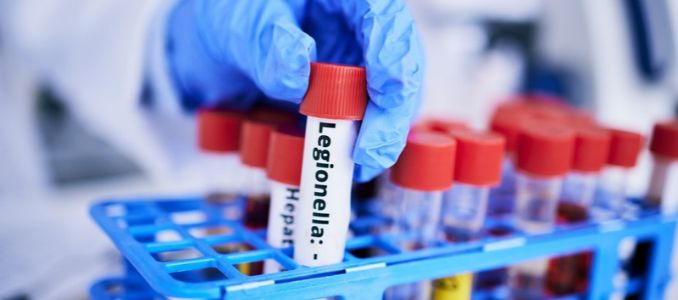
Water system maintenance, testing and response planning can help safety teams strengthen workplace Legionella control.
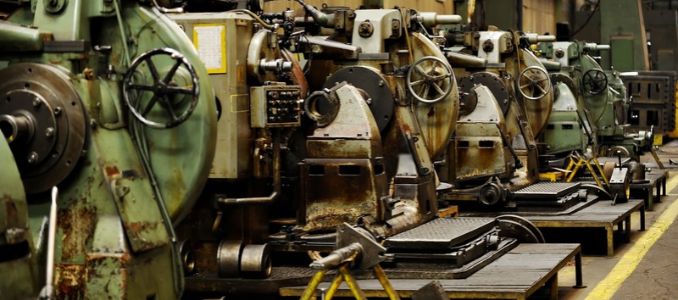
More than a century of workplace tragedies and reforms helped shape today’s safety requirements. Understanding that history can help safety professionals reinforce why established controls still matter.

BRICS cooperation could shape worker protection, industrial safety and environmental health across emerging economies.
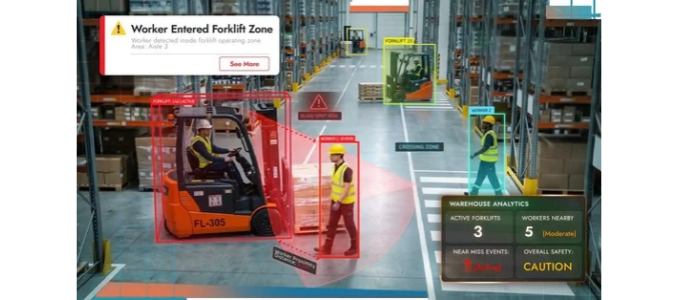
As warehouses and distribution networks adopt more automation, safety teams are beginning to rethink how they identify risks created by the movement of workers, vehicles and machines.
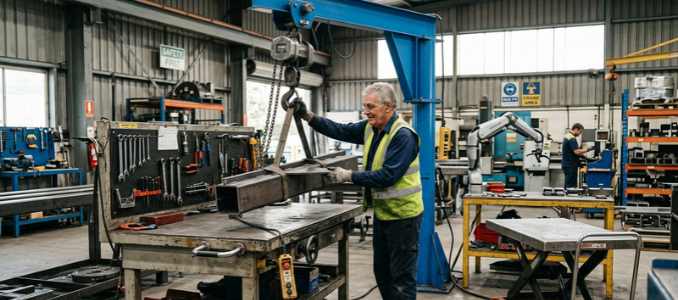
Older workers are injured less often, but age-related changes can make injuries more severe, costly and difficult to recover from.
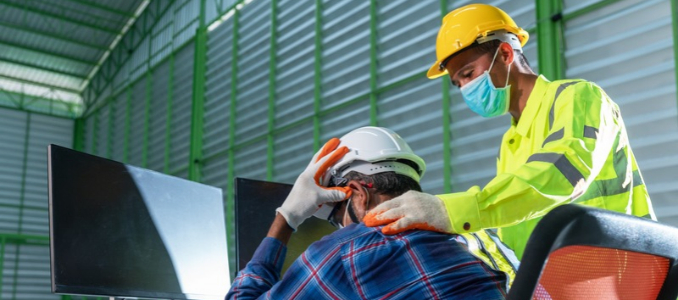
Employers can identify musculoskeletal risks earlier by evaluating job tasks, tracking worker discomfort and providing job-specific movement training.
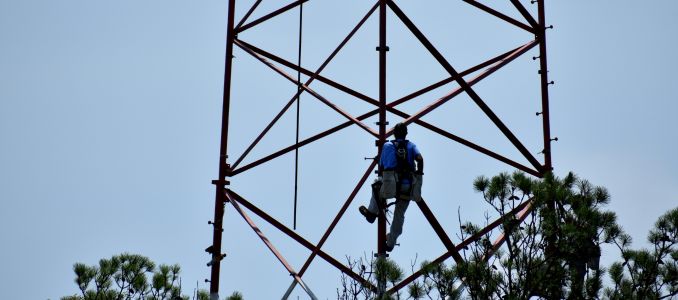
Lone worker safety requires attention to fatigue, communication gaps, emergency response and trust in monitoring technology.
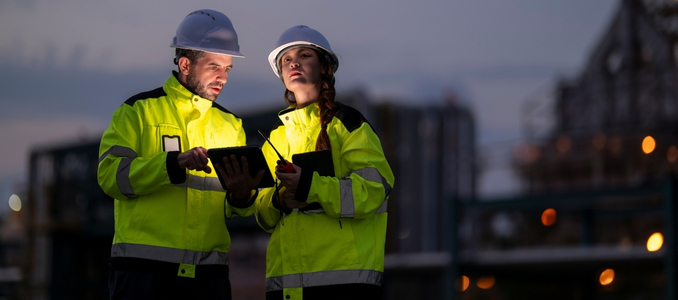
Four practices for adapting safety workflows while maintaining consistent compliance data.
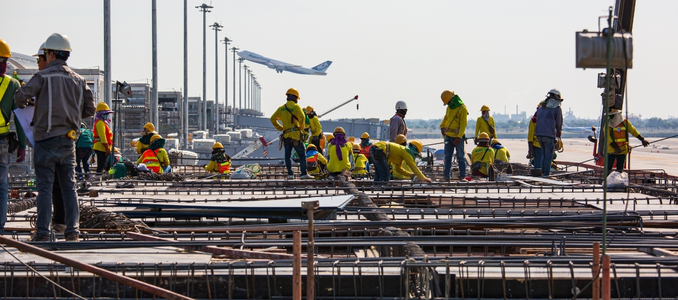
Lessons learned from implementing site-wide emergency notification during construction of one of the largest airport terminal projects in North America

Reskilling workers from operational, military and public safety roles could help address the growing shortage of OHS professionals.
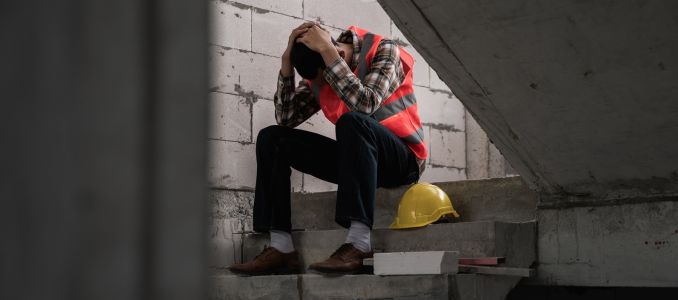
Recognizing the signs, starting conversations, and reducing stigma can help create safer, more connected job sites.
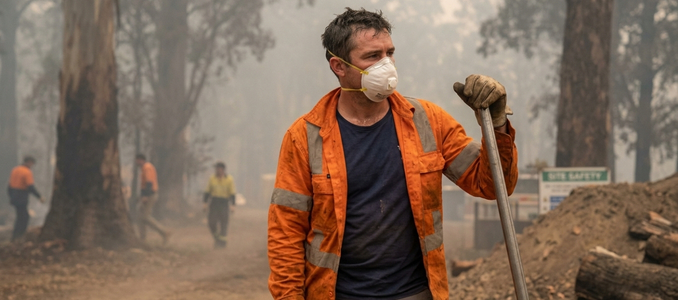
Effective response plans combine filtration, monitoring, remote work and respiratory protection.

Incident data, worker feedback and control effectiveness can help employers prioritize investments when resources are limited.
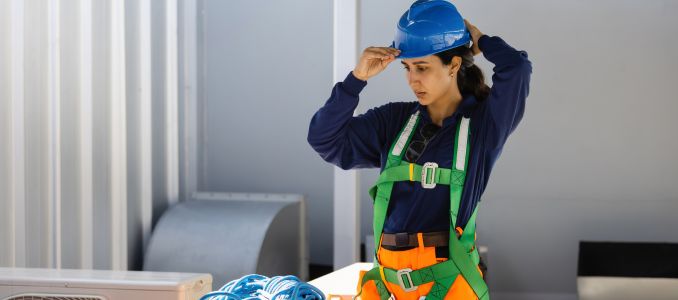
Properly fitting personal protective equipment is essential for protecting women in construction while improving comfort, confidence, and worker retention. Expanding research and involving tradeswomen in PPE design can help close longstanding gaps in workplace safety.
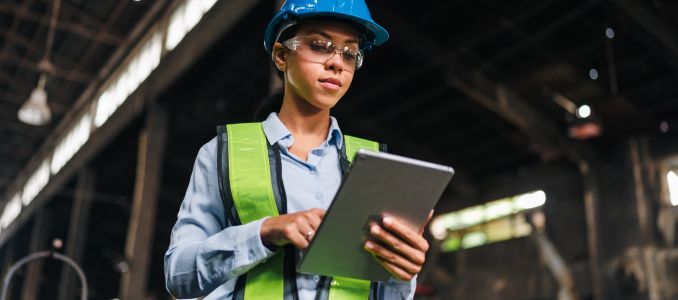
Successfully implementing safety monitoring tools requires more than selecting the right technology. Clear communication, thoughtful onboarding, privacy safeguards, and ongoing employee engagement help organizations strengthen safety culture while improving emergency response.
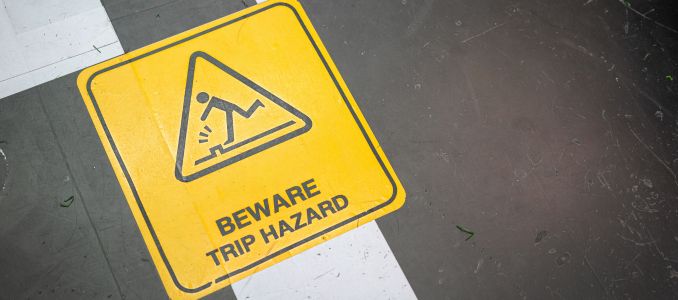
Environmental hazards, housekeeping, and human behavior all contribute to slip, trip, and fall incidents. Organizations that address these interconnected risks together are better positioned to achieve lasting improvements in workplace safety.
From emerging technologies to peer-to-peer learning, attendees are discovering practical ideas they can take home to strengthen workplace safety.