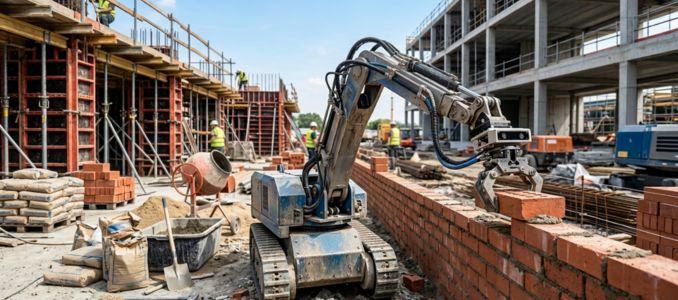
As robots take on more construction tasks, researchers emphasize the need to address human-robot interactions, equipment hazards and changing jobsite conditions.
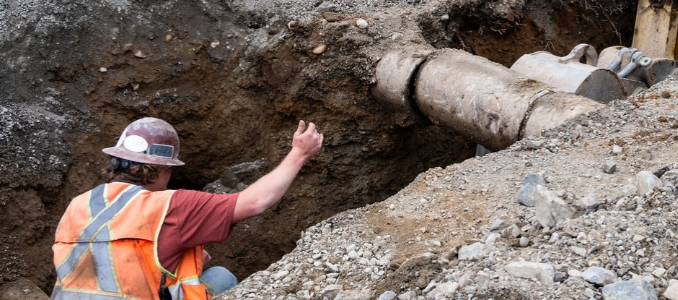
The trench had no cave-in protection or safe way out, workers lacked hardhats, and materials and equipment sat less than 2 feet from the edge.
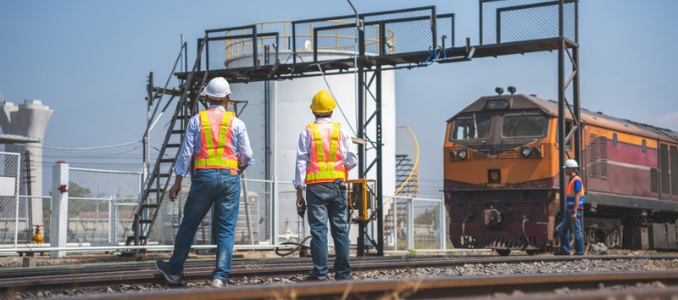
The rail safety nonprofit debuted public service announcements for RV drivers and motorists near transit trains and held its first Emergency Notification System Sign Awareness Day.

A new director of marketing joins the Compliance Products business, and a longtime company leader accepts the director of product management role.

Safeguards built into the tablet audiometer pause a test when background noise climbs too high, and a new dashboard flags workers with overdue tests or pending retests.

Novara's new Visitor Management module tracks who is on site through the workday and flags any check-in left open more than 12 hours.
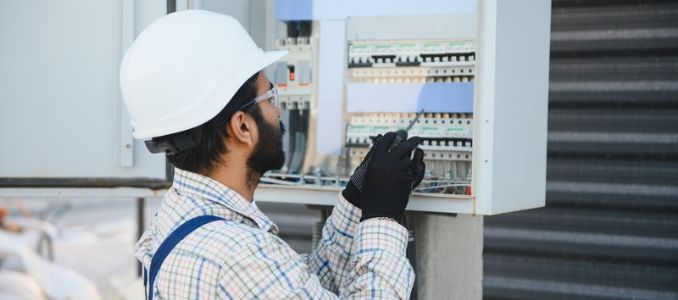
The amendments carry out a law that, since Jan. 1, has required installers on public works projects to be certified through a nationally recognized training program.

Proper placement, visibility during power outages and regular testing can help ensure exit signs support safe workplace evacuations.

Entries are due Feb. 12, 2027, and the top three in each category win $300 to $500, with matching awards for first-place winners' schools.

The CGA is reaching out to Spanish-speaking construction, landscaping and fence-building workers.

Investigators found no risk assessment, lift plan or worker instructions for a regular loading task, and safer ways to secure or lift the load went unused.
The company also joined the UN Global Compact and published its first sustainability report, with a second planned for spring 2027.
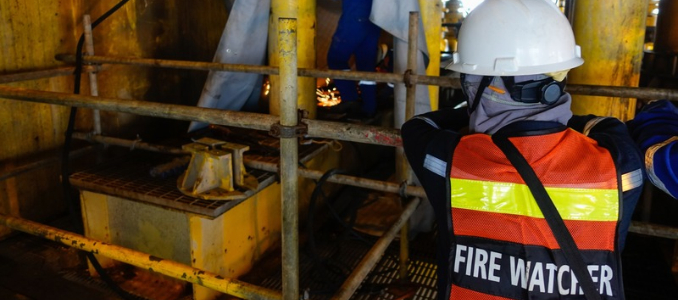
The guide covers when facilities must establish fire watch coverage, along with pre-shift hazard checks, logging and emergency response.

Board letters have gone unanswered, including one sent after Yenkin-Majestic pleaded guilty to a federal criminal charge tied to the incident.
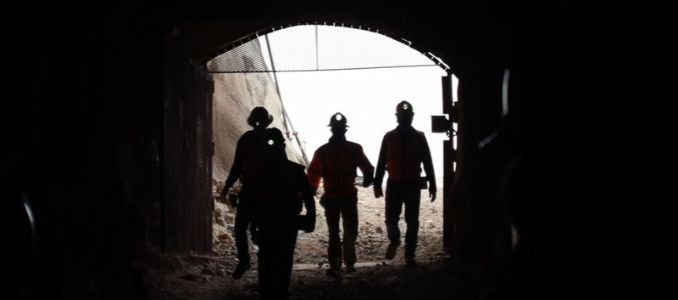
More than $10.5 million will fund required instruction for new and experienced miners, with programs tailored to local hazards.
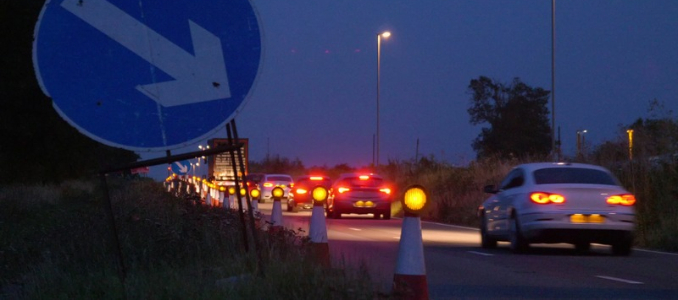
About half of all fatal work zone crashes in 2023 happened at night, according to the Federal Highway Administration (FHWA), as more road work moves to nighttime hours.

Egregious penalties would be assessed for each exposed employee and enterprise-wide penalties for each location, with written comments due Nov. 30 ahead of a Dec. 3 hearing.