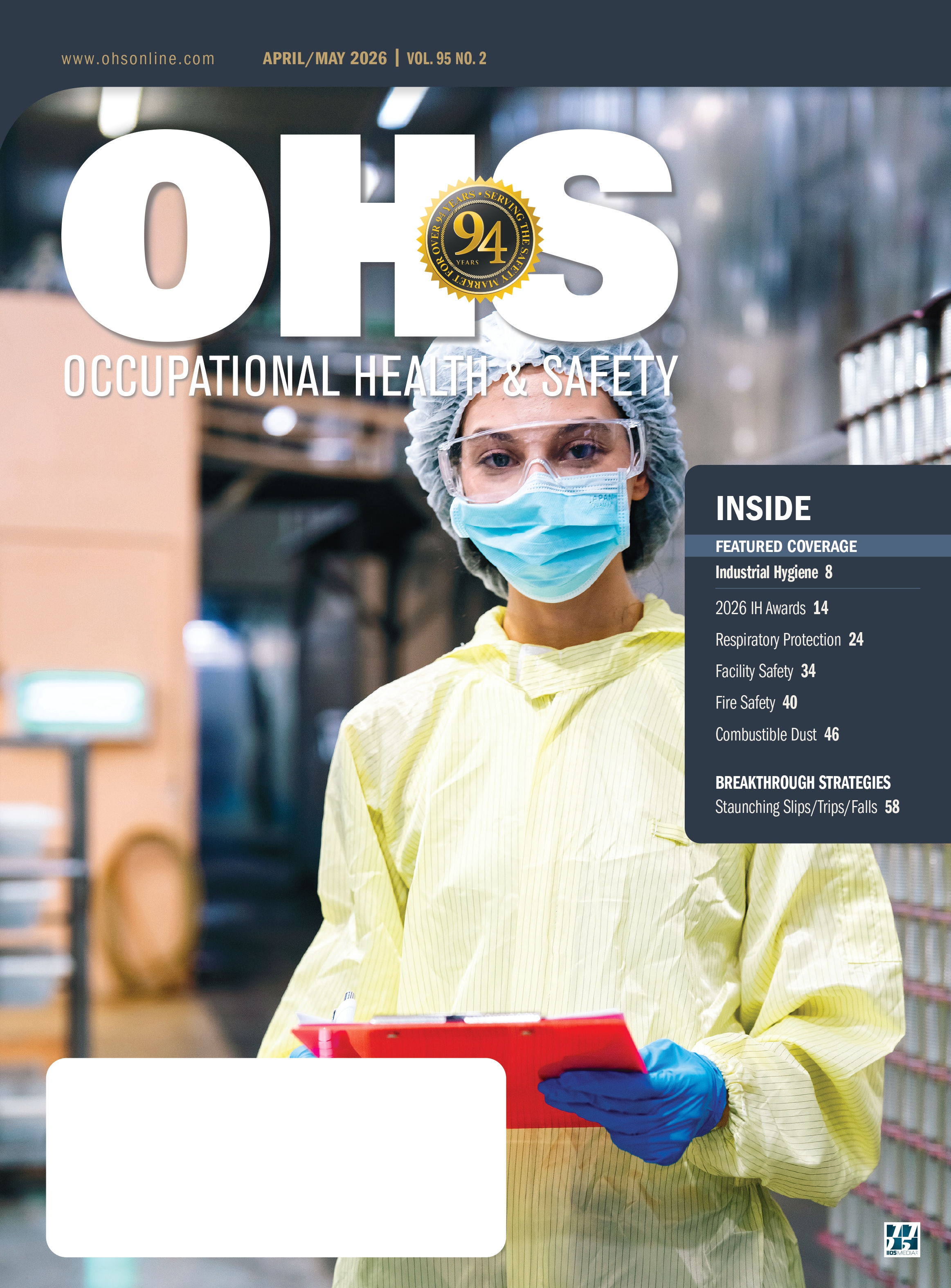
April/May 2026
Find these topics and more in the April/May issue:
- Industrial Hygiene
- PPE
- Facility & Air
- Site Hazards
- Safety Tech
- Risk Management
- Hazard Monitoring
- Lone Worker
- Slips/Trips/Falls
CLICK HERE TO SUBSCRIBE.
Features

By Hal Wilson
Traditional systems for ordering and tracking prescription safety glasses were designed for single sites and stable workforces. Modern organizations are shifting to centralized, lifecycle-based programs to maintain compliance and protect workers across multiple locations.

By Cindy Pauley
Advances in smart monitoring, wearable sensors and adaptive hearing protection are helping employers better measure noise exposure and strengthen workplace hearing conservation programs.

By David Kopf
Many hearing conservation programs check the compliance box but still fall short in practice. An expert explains why.
By David Kopf
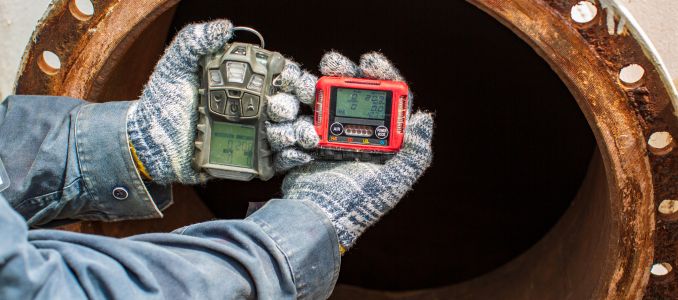
Pre-entry atmospheric testing is a critical first step in confined space safety, but it can create a false sense of security when conditions shift after workers enter.

By Tim Turney
Selecting the right personal sampling pump and implementing a streamlined monitoring program can improve data accuracy, support compliance and strengthen efforts to protect workers from airborne hazards.

By Brittany DeRafelo, Chris Skipper
Computer vision and AI safety systems promise real-time hazard detection, but organizations must avoid common implementation pitfalls related to culture, worker trust, privacy and cross-functional collaboration.
By Brian Abel
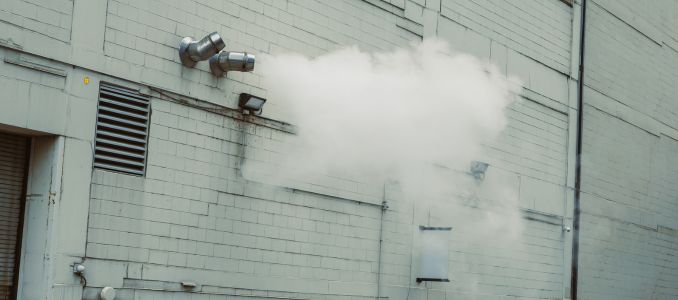
Emerging standards, wildfire smoke, and growing health concerns are pushing facility managers to reassess ventilation, filtration, monitoring and maintenance strategies to protect indoor air quality.

By Josh Dinaburg
As battery energy storage expands, evolving standards and large-scale fire testing are helping ensure new systems are deployed safely.

By Michael Burke
Lone professional drivers face unique workplace risks. Research shows how safety culture, targeted training and safer communication practices can reduce crashes and improve driver safety outcomes.
By Brian Richardson
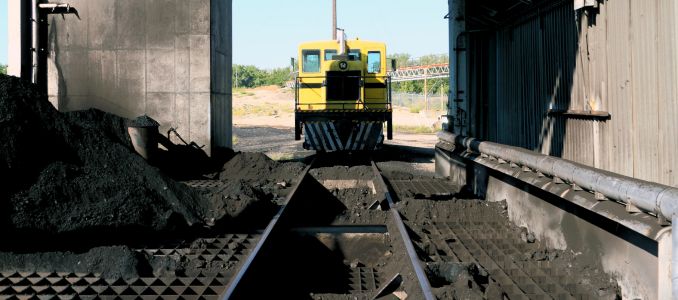
Combustible dust hazards develop when fuel, dispersion and ignition sources align. Understanding NFPA 660 requirements and implementing coordinated controls can help safety professionals prevent incidents and protect workers across dust-generating industries.

By Clayton Gonçalves
Many workplace injuries develop not from catastrophic events but from everyday tasks performed in poorly organized environments. Improving facility design, ergonomics and workspace organization can reduce strain, lower injury risk and improve productivity.

By Troy Butler
Safety leaders are rethinking employee screening programs as proactive risk management systems. Consistent protocols, centralized data and job-specific evaluations can help detect risks early while improving compliance and workforce readiness.

By Ben Julian
Industrial environments are becoming more unpredictable, making higher-cut protection a necessity for modern worker safety and compliance.
By Gen Handley
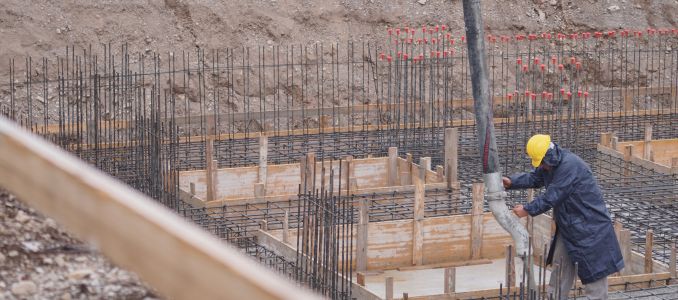
Industrial hygiene programs are designed for supervised workplaces, but lone workers operate without oversight—creating hidden gaps in hazard detection, exposure monitoring, and emergency response.

By Dan Christensen
Industrial hygiene is moving beyond simple compliance toward data-driven exposure assessment, stronger analytical quality and a clearer understanding of real-world workplace variability.
By Daniyal Shahid
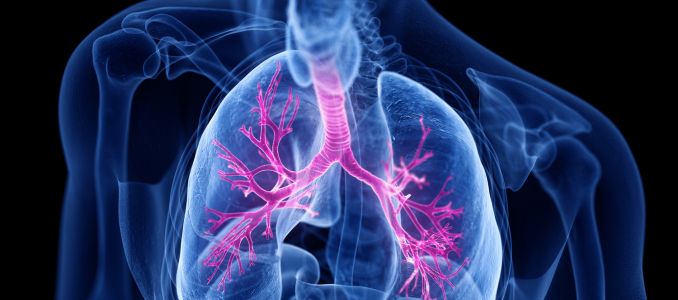
New respiratory protection technologies combine sensors, AI analytics and connected dashboards to monitor air quality, worker health and exposure risks in real time across hazardous workplaces.
Departments

By Robert Pater
Despite years of focus on traditional prevention methods, slips, trips and falls remain a leading cause of workplace injuries. These five practical strategies highlight how organizations can better address risk through environmental, health and skill-based approaches.

By David Kopf
Small- and medium-sized businesses face unique safety hurdles, but they have solutions.