-

Experts warn that routine activation checks may confirm eyewash functionality without addressing hidden contamination risks inside low-use plumbing systems, spray heads, hoses, and internal components.
read now
-

AI may improve hazard detection and injury prevention, but organizations that rely too heavily on automation could inadvertently weaken the human skills and organizational resilience needed to manage unexpected events.
read now
-

Safe access, protected openings, thoughtful traffic patterns, and risk-based hazard assessments can significantly reduce the dangers workers face while performing rooftop inspections and maintenance.
read now
-

Injury trends among new and older workers are forcing safety leaders to rethink long-standing approaches and adopt data-driven strategies to improve training, reduce risk, and strengthen safety culture across the workforce.
read now
-
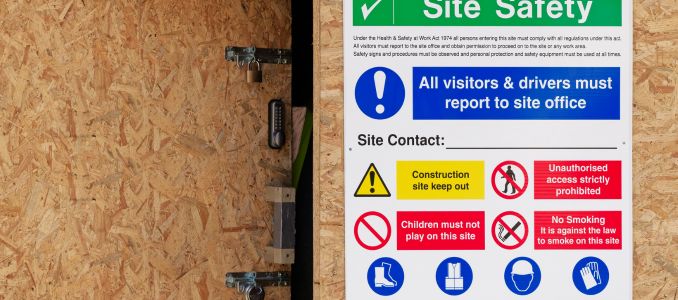
OSHA’s revised Hazard Communication Standard is entering its next major compliance phase. Now is the time to ensure employees can navigate updated hazard information.
read now
-
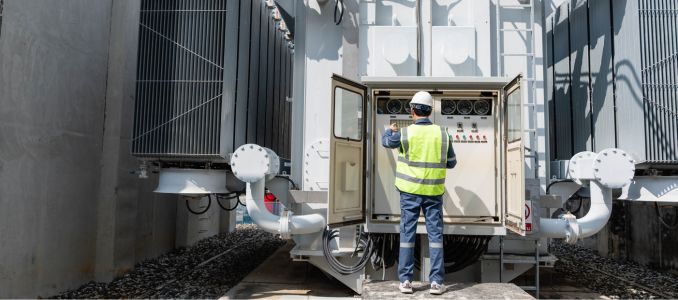
From arc flash risk assessments to preventive maintenance and worker training, facilities can reduce electrical hazards and improve reliability by treating electrical safety as an ongoing program, not a one-time project.
read now
-
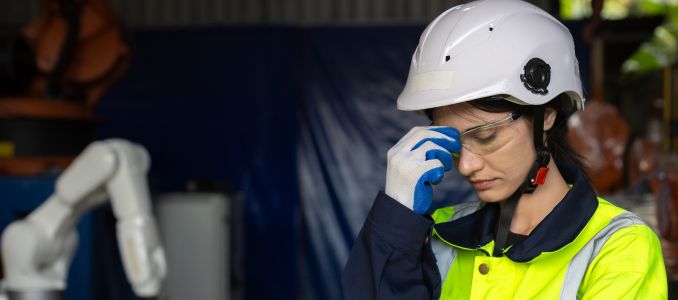
Construction Suicide Prevention Week highlights practical strategies safety leaders can use to address mental health risks, reduce stigma, improve access to care, and strengthen workforce resilience across jobsites.
read now
-

The revised ANSI/ISEA Z87.1-2025 standard aims to make eye and face protection easier to select, understand, and implement while reinforcing the role of hazard assessment in preventing workplace injuries.
read now
-
A new voluntary initiative gives employers another path to strengthen safety programs.
read now
-

Water-based particle counters, digital connectivity and fit assurance tools are helping safety professionals streamline compliance, improve data management and strengthen respiratory protection programs year-round.
read now
-

Passing an annual fit test does not guarantee year-round protection. Strong respiratory protection programs combine ongoing worker education, effective recordkeeping and continuous oversight to prevent chronic occupational disease.
read now
-

With construction workers facing 13 times higher risk of heat-related death, and a hotter-than-normal summer forecast for 2026, safety professionals must prioritize heat stress prevention. Learn to distinguish between heat stress and heat strain, identify early warning signs workers might hide, and implement practical strategies from hydration and acclimatization to shade structures and culture change that protect workers when temperatures rise.
read now
-

Dynamic noise exposures, low-frequency sound, combined hazards, and compliance challenges are forcing organizations to rethink traditional hearing conservation programs and adopt more comprehensive protection strategies.
read now
-

Standardized glove programs may simplify procurement, but they can increase injury risk, reduce worker compliance, and drive up long-term costs. Manufacturers are finding that task-specific hand protection delivers better safety and operational performance.
read now
-
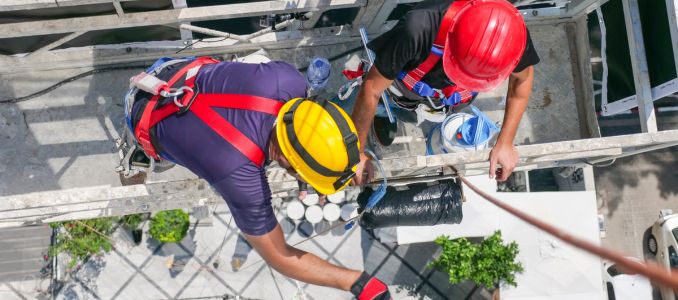
From retrofitting aging facilities to planning inspections and long-term compliance, engineered fall protection systems require careful design, site evaluation, and lifecycle management to protect workers at height.
read now
-

The agency issued separate fatality alerts highlighting hazards involving powered haulage equipment and falling material while investigations continue.
read now
-

By combining AI, video analytics, and real-time environmental monitoring, predictive safety systems are giving EHS leaders new tools to identify fall risks before workers are exposed to danger.
read now
-

Timely, transparent communication between clinicians, employers and claims teams is as critical as medical treatment in accelerating recovery and reducing workers' compensation costs.
read now