-

Washington safety officials outline steps for handling heat illness and providing clean air locations during severe wildfire smoke.
read now
-

Procurement decisions prioritizing office compliance over jobsite usability create a digital burden and undermine safety tech adoption.
read now
-
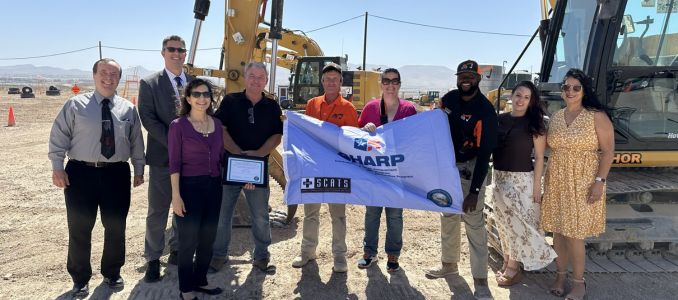
Dig This Las Vegas earns SHARP renewal from state officials for maintaining exemplary workplace safety standards and low injury rates.
read now
-

Columbia Southern University honors construction industry veteran Danny Simpson for three decades of leadership in workplace safety.
read now
-

From emerging technologies to peer-to-peer learning, attendees are discovering practical ideas they can take home to strengthen workplace safety.
read now
-

From the Work to Zero Safety Innovation Challenge to networking events and the Safety Technology Pavilion, attendees will find opportunities to exchange ideas and explore emerging safety solutions.
read now
-

The educational program at the NSC Safety Congress & Expo features OSHA updates, AI, leadership and human performance sessions designed to help safety professionals strengthen their programs.
read now
-

OSHA leader David Keeling and safety advocate Aron Yellott bring regulatory insight and personal perspective to this year's keynote program.
read now
-

Experts find regulatory compliance alone fails to stop falls and machinery accidents, urging simple point-of-task guidance.
read now
-

Trade fair organizer Messe Düsseldorf will highlight its worldwide occupational safety events at the upcoming NSC Safety Congress and Expo.
read now
-

Deploying IoT wearables and AI video analytics provides short-staffed EHS teams with continuous visibility, closing operational blind spots and stopping SIFs before they occur.
read now
-

The Fired Up! National Week of Heat Action includes events in nine states calling for stronger protections against workplace heat hazards.
read now
-

Serious Injury and Fatality (SIF) rates remain stubborn because critical warnings get filtered out long before reaching executive decision-makers.
read now
-

A total of 75 veterans received scholarships for the Advanced Safety Certificate program to advance careers in occupational safety.
read now
-

Washington regulators seek construction safety agenda ideas ahead of the hybrid Construction Advisory Committee meeting on Sept 29.
read now
-

Five-year extension continues comprehensive inspections targeting common hazards in warehouses and distribution centers while clarifying when inspections may be expanded.
read now
-

Compliance alone does not guarantee worker safety. A complete-system approach that integrates hazard assessment, engineering, equipment selection, training, rescue planning and documentation can help organizations close critical gaps and better protect workers at height.
read now
-

Emergency plans depend on workers receiving timely, accurate information, yet communication gaps continue to undermine response efforts. New technologies are helping facilities deliver critical alerts faster, more clearly, and in multiple languages.
read now