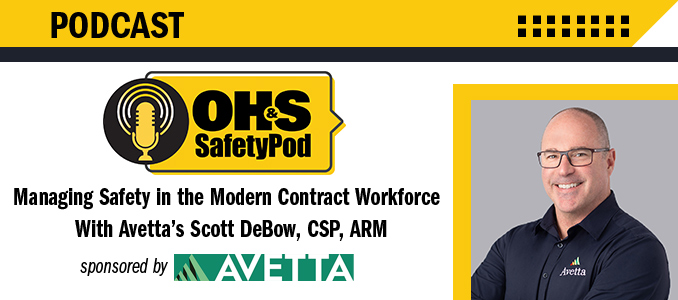
Avetta's Scott DeBow discusses why safety leaders are moving beyond compliance, adopting systems-based safety management, and prioritizing serious injury and fatality prevention across today's increasingly complex contractor workforce.
read now
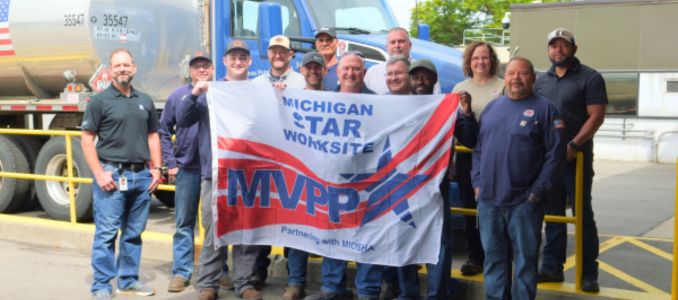
The state’s safety agency awarded the Romulus terminal its highest certification for exemplary workplace health and safety management.
read now
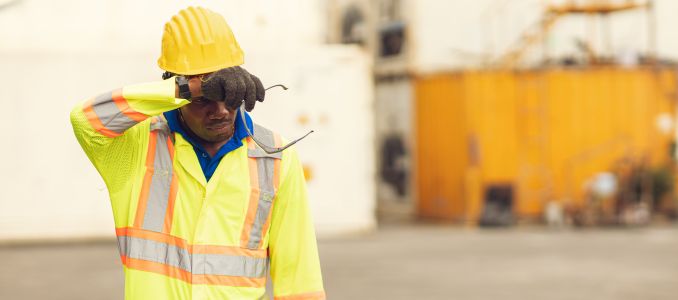
As summer temperatures rise, KYSAFE reminds commonwealth employers of their legal obligation to prevent heat-related workplace illnesses.
read now
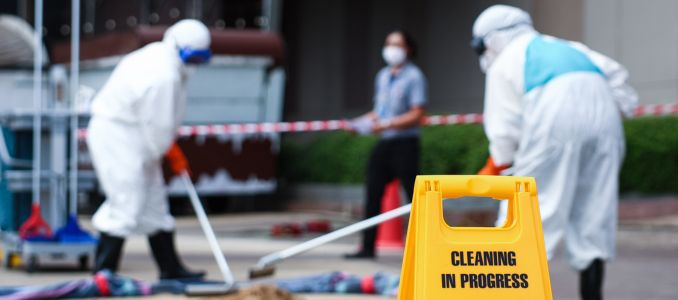
Three employers face over $3.5 million in proposed penalties after sending workers into a Houston-area sulfuric acid spill without proper protection.
read now
The company is combining human-reviewed AI tools with interactive, gamified learning to improve safety training, incident management and workforce engagement.
read now
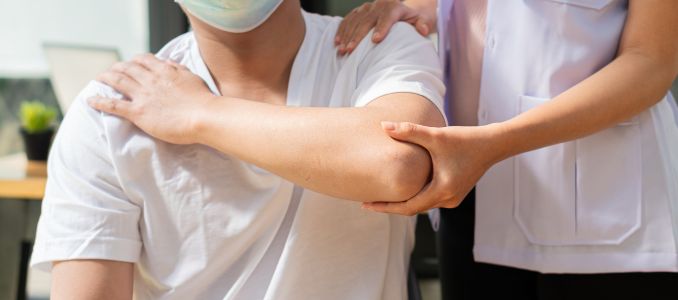
New research funded by the National Safety Council shows how artificial intelligence and augmented reality can reduce ergonomic risks.
read now

As industrial environments become more complex, immersive simulation and intelligent visualization can help safety teams improve training, communication and emergency preparedness before workers face real-world hazards.
read now

The agency extended its Heat National Emphasis Program, providing inspectors and employers with clearer compliance safety checklists.
read now

Former journalist and policy communications professional joins agency to support outreach, messaging and worker safety initiatives across the state.
read now

The companies are leveraging AI to simplify inspections and strengthen safety performance.
read now

A three-day online seminar series hosted by the OSHA Training Institute will focus on hazard controls and inspection processes.
read now

Nearly 300 organizations join global initiative to reduce musculoskeletal disorders, which cost U.S. businesses $19 billion annually.
read now

The building automation company introduced integrated smoke control capabilities and cloud-connected platforms to streamline building emergency response.
read now

K.G. Walters Construction is one of only four employers statewide to receive the Safe Partner Award from SCATS.
read now

A seafood processing worker suffered a severe hand injury after contacting an improperly adjusted bandsaw blade, highlighting the need for proper guarding.
read now

Worker advocates say the executive order is a major step toward preventing heat-related illnesses and fatalities as federal regulators continue developing a nationwide workplace heat standard.
read now

A survey of over 1,000 safety professionals reveals that artificial intelligence and leadership support are reshaping workplace safety programs.
read now

VPPPA says OSHA's decision to align VPP with its Recommended Practices framework will help employers strengthen safety and health management systems nationwide.
read now