-
The J. J. Keller SPOTY Awards recognize environmental, health and safety professionals with prize packages worth up to $47,200.
read now
-
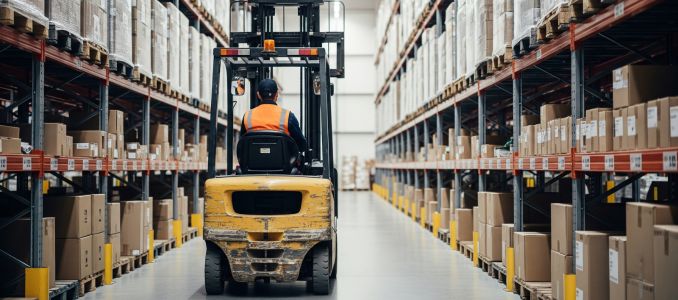
The Industrial Truck Association will host its annual event focused on reducing workplace accidents and improving operator education.
read now
-
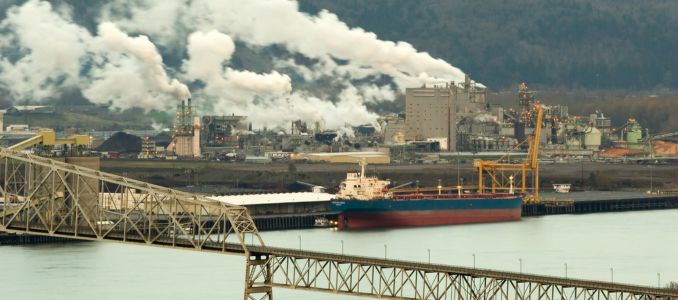
A chemical tank rupture in Longview spilled 500,000 gallons of corrosive liquid, marking one of the nation's deadliest workplace disasters in years.
read now
-

Washington labor officials remind businesses of safety requirements and restricted duties for minors.
read now
-
The American Industrial Hygiene Association has begun looking for a new chief executive officer following an announcement that its current leader will step down this year.
read now
-
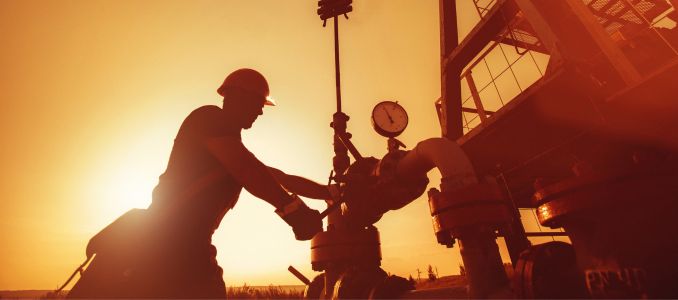
Asbestos and NORM exposures remain a persistent risk in maintenance and aging infrastructure. Proper hazard identification and advanced PPE strategies are critical to protecting workers in complex, multi-hazard environments.
read now
-

How workforce wellness, PPE fit and fatigue reduction are transforming safety programs from reactive protection into proactive performance strategies.
read now
-
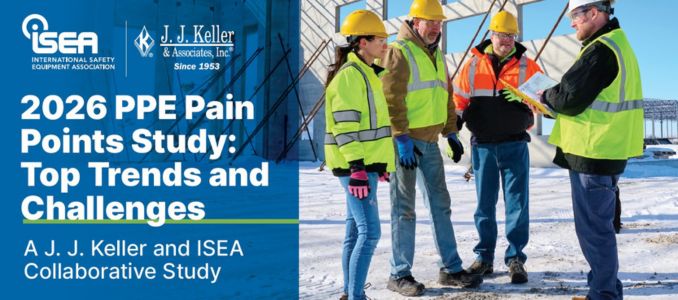
New research shows companies struggle with employee buy-in, comfort and proper fit for female workers.
read now
-

Beyond permanent hearing loss, constant background industrial sounds cause dangerous mental fatigue, alarm desensitization and critical communication failures.
read now
-
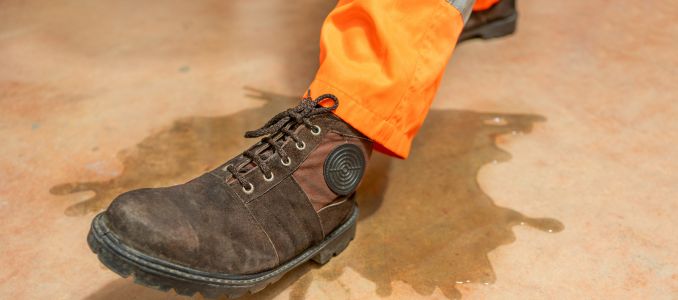
Minimizing close calls leaves companies vulnerable to OSHA violations, but shifting to digital safety check-ins captures hazards before injuries happen.
read now
-
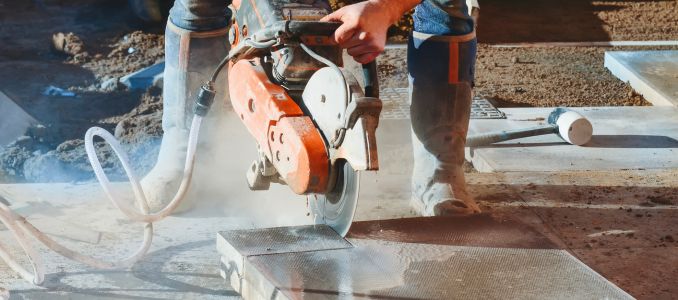
State safety board fast-tracks an emergency rule to protect countertop fabrication workers from incurable lung disease.
read now
-
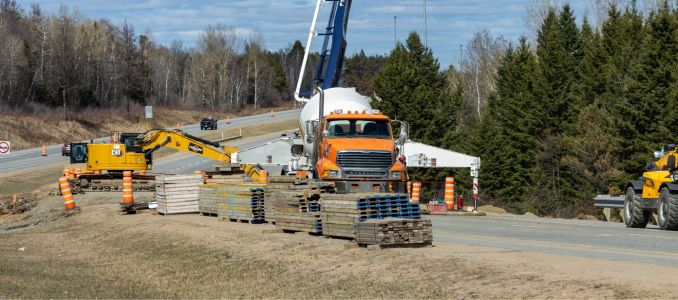
Active work zones remain highly dangerous as safety teams deploy drone imagery, digital navigation alerts and wearable PPE strobes to protect crews.
read now
-

A safety organization funds projects using artificial intelligence, wearable sensors and robotics to reduce common worker injuries.
read now
-
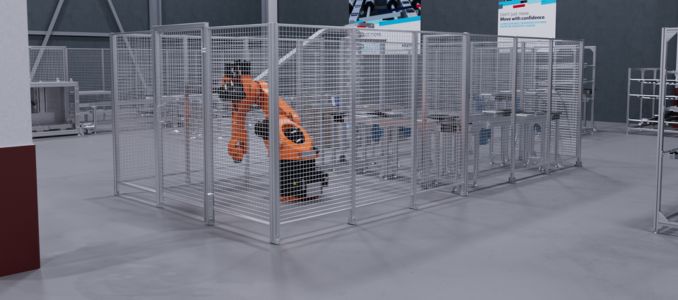
Aluminum framing adapts to the automation era as factory operators use layout software to protect human workers and flexible robotic cells.
read now
-
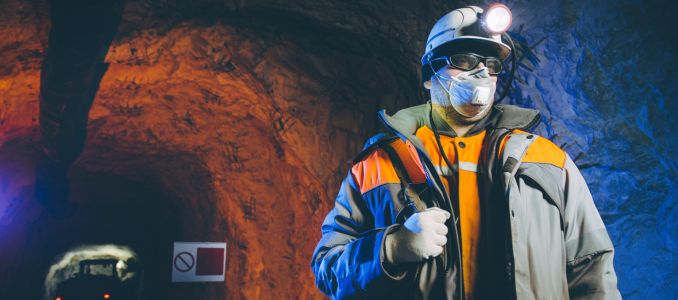
Advocates voice deep concerns over sudden firings and layoffs at the federal agency reviewing mine safety disputes.
read now
-

New research shows deferred recovery and worker burnout act as operational exposure risks that trigger preventable errors and near-misses.
read now
-
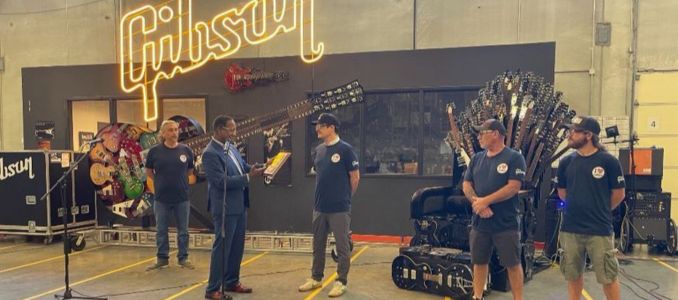
The Nashville facility achieved over 412,000 consecutive hours without a lost-time or restricted-duty workplace injury or illness.
read now
-
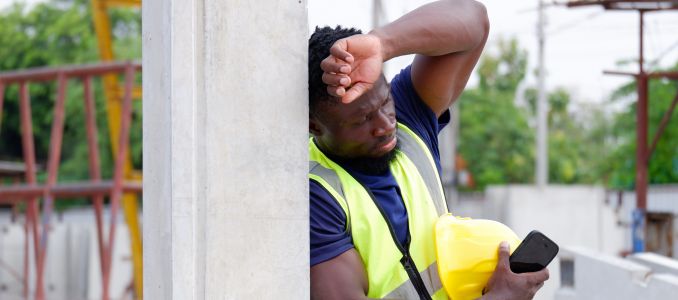
A Jacksonville-based facility will study how extreme heat affects outdoor workforces as federal regulators increase safety inspections.
read now