-
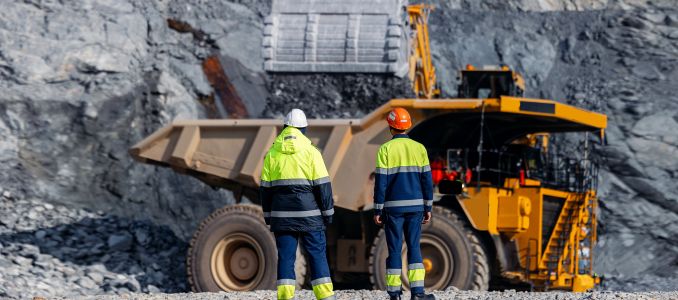
The agency issued separate fatality alerts highlighting hazards involving powered haulage equipment and falling material while investigations continue.
read now
-

By combining AI, video analytics, and real-time environmental monitoring, predictive safety systems are giving EHS leaders new tools to identify fall risks before workers are exposed to danger.
read now
-

Timely, transparent communication between clinicians, employers and claims teams is as critical as medical treatment in accelerating recovery and reducing workers' compensation costs.
read now
-

The latest draft refines employer responsibilities for hazard assessments, training, and incident response.
read now
-

Real-world barriers such as heat, poor fit, and fatigue can undermine even the strongest PPE programs
read now
-

California safety officials propose $282,420 in penalties following a residential worker's fatal 24-foot roof fall in Westchester.
read now
-
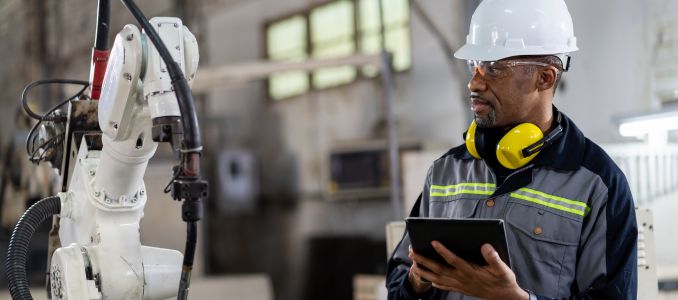
Combining predictive AI analytics with inspection history shifts equipment maintenance from reactive emergency repairs to planned, low-risk safety controls.
read now
-
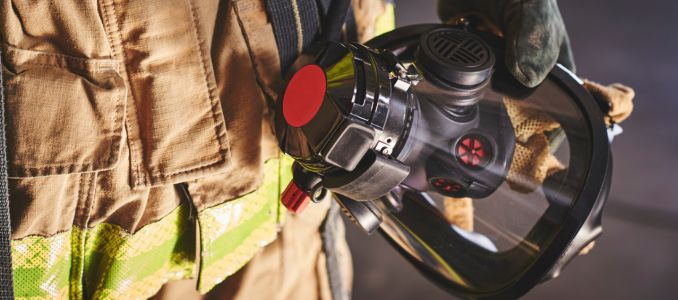
Privately employed and third-party contract industrial firefighters face identical carcinogen exposures as municipal crews, yet lack statutory cancer presumptions and federal death benefits.
read now
-

OSHA proposed penalties against Woodland Pulp LLC after two workers died from hydrogen sulfide exposure at a Baileyville facility.
read now
-

Modern industrial sites overload operator attention, making smart AI computer vision essential to distinguish real pedestrian hazards from ambient workplace noise.
read now
-

OSHA reminds employers and workers that federal whistleblower laws help protect employees who report safety concerns and other unlawful conduct.
read now
-

The survey found that many organizations lack the visibility needed to respond to growing supply chain risks.
read now
-
Businesses across the country can access free resources to strengthen safety programs and recognize workplace achievements.
read now
-
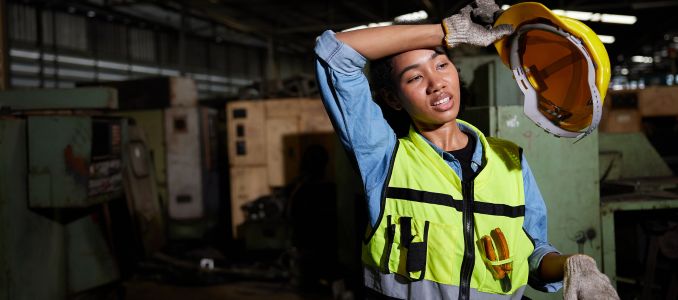
State safety officials urge companies to enforce indoor and outdoor heat protocols as temperatures soar across California through August 2.
read now
-

Over-relying on backward-looking compliance metrics like TRIR consumes critical bandwidth without addressing the root causes that drive serious workplace harm.
read now
-

Surge in Michigan workplace deaths prompts state officials to call for proactive safety measures and hazard training.
read now
-

Guidelines mandate shaded rest areas and scheduled cool-down periods when temperatures reach 90 degrees.
read now
-
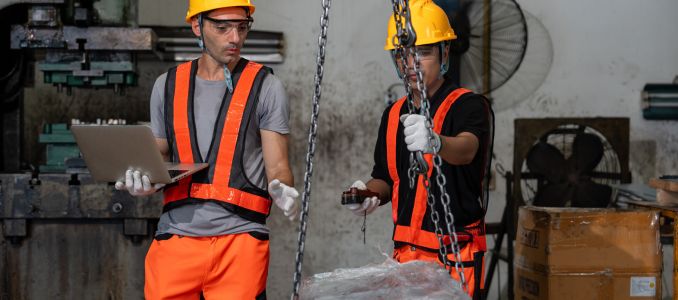
Safety briefings and workplace posters fail to prevent musculoskeletal injuries because passive learning lacks muscle memory; bridging the gap requires hands-on practice with immediate feedback.
read now