-

The United Food and Commercial Workers Union and the public submitted more than 42,000 comments opposing proposed rule changes for meat plants.
read now
-

Volunteer leaders prepare to guide the society's strategic goals and EHS priorities for the upcoming 2026-27 term beginning in July.
read now
-
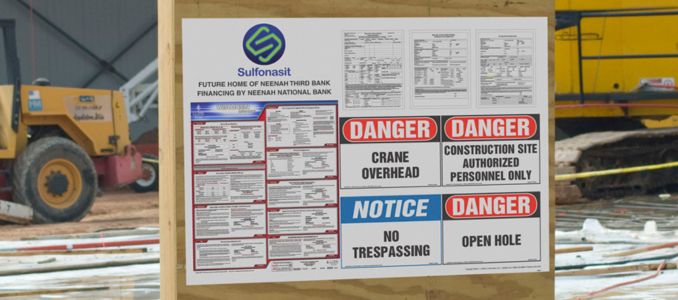
The polyurethane display organizes required labor law and safety notices into a single weather-resistant format.
read now
-
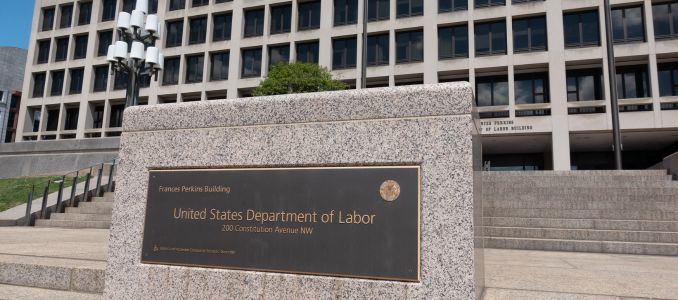
The White House announced her departure via social media, with Deputy Secretary Keith Sonderling expected to serve as acting secretary.
read now
-

Beyond injury prevention, ergonomic design reduces mental fatigue and physical strain to boost productivity, morale and life outside the shift.
read now
-

Bi-polymer glove coatings improve grip, durability and dexterity, reducing risk and enhancing performance in demanding work environments.
read now
-

Leadership strategies to maintain employee trust, prevent burnout, and protect productivity when your organization faces major transitions.
read now
-

The partnership aims to bolster electrical safety and code enforcement through enhanced training and professional resources for state inspectors.
read now
-

The agency found multiple safety violations, including an unprotected trench, following a worker’s death in December 2025.
read now
-
The agency is increasing awareness of lockout/tagout procedures and electrical standards to protect miners from life-threatening explosions.
read now
-

Occupational Health & Safety has announced the winners of its sixth annual Industrial Hygiene Awards across 33 categories, highlighting innovations advancing worker protection.
read now
-
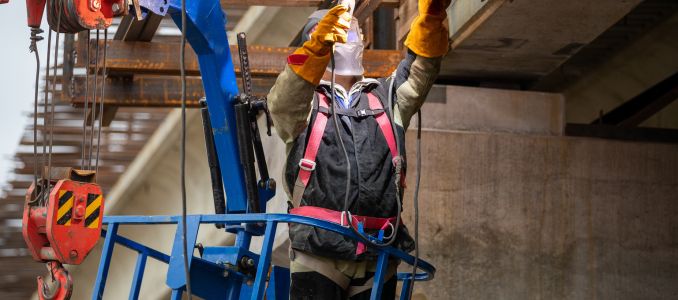
Clear instructions and active listening are the most effective tools for reducing human error and improving safety outcomes on high-risk job sites.
read now
-

A new national program provides employers with tools and peer networks to protect employees from increasing climate-related health risks.
read now
-

New federal enforcement initiative targets high injury rates at ports and shipyards throughout Puerto Rico and the U.S. Virgin Islands.
read now
-

A $2.3 million commitment will increase annual safety certificate awards for U.S. veterans to 75 through 2029.
read now
-

Integrating thermal safety with ergonomic design is essential for combating rising temperatures and preventing musculoskeletal injuries among outdoor workers.
read now
-

Families will gather in Washington, D.C., on April 23 for the Department of Labor’s annual Workers Memorial program, honoring lives lost on the job and reinforcing the commitment to preventing workplace fatalities.
read now
-

New software uses artificial intelligence and National Safety Council modeling to identify workplace hazards through mobile photography.
read now