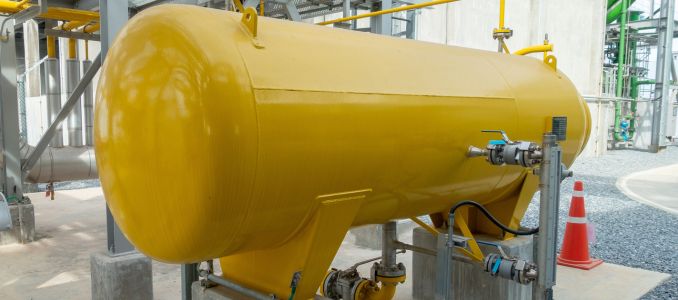
Tank inventory system training plays a key role in workforce protection, safe storage, and incident prevention.
read now
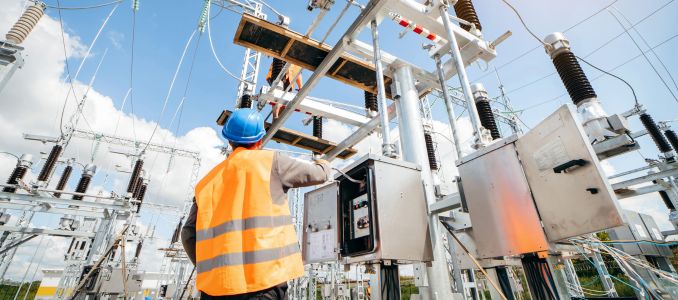
As electrical systems grow more complex, organizations must shift from checklist-driven compliance to proactive, culture-based safety strategies that identify risks early and empower workers to prevent incidents.
read now
Safety professionals need to prepare for lithium-ion batteries in the workplace.
read now

Traditional heat safety methods can miss critical risks. By combining environmental and physiological data, safety professionals can identify blind spots and shift toward predictive strategies that prevent heat-related incidents.
read now

Legislation modernizes the retaliatory employment discrimination complaint process to improve transparency and efficiency.
read now

Twenty-five years of transition from paper clipboards to AI image recognition have drastically accelerated inspection speed, yet checkbox fatigue and unresolved hazards remain.
read now

Futurist Dan Chuparkoff outlines how machine learning transforms 1,300-page regulatory books and raw incident data into instantaneous, live workplace insights.
read now

Musculoskeletal disorders develop quietly through repetitive daily tasks, requiring operations managers to monitor subtle worker workarounds rather than sudden acute events.
read now
Two occupational health and safety leaders have been recognized for their contributions to industry mentorship and development.
read now

The state's agency and industry representatives will collaborate on efforts to improve construction workplace safety.
read now

While older employees sustain fewer total injuries, physiological changes and comorbidities cause modern workplace slips, trips and falls to become exponentially more severe.
read now
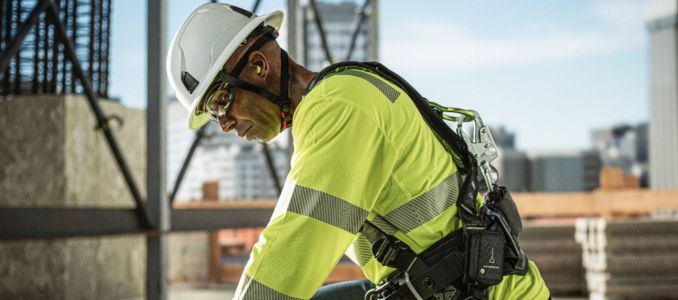
Traditional hard hats leave workers vulnerable to side impacts and falls, prompting safety managers to adopt advanced Type II head protection with internal liners and integrated chin straps.
read now

Infrastructure professionals emphasize that data tools, fleet training and driver attention are all critical to protecting workers near traffic.
read now
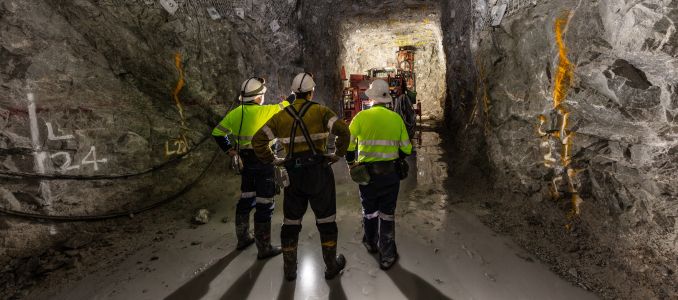
The Mine Safety and Health Administration is making $10.5 million available to fund federally mandated training for U.S. miners.
read now

A five-year commitment from Rhythm Innovations and the Rath Family Foundation will support the prestigious workplace safety accolade.
read now

The acquisition expands Novara's artificial intelligence capabilities and environmental compliance software offerings.
read now

The Work to Zero initiative awarded over $60,000 to help organizations test innovative solutions aimed at reducing workplace injuries.
read now
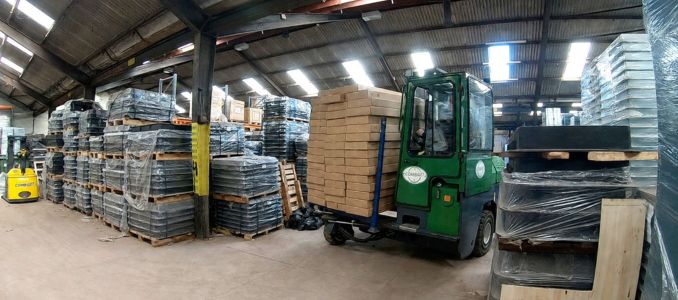
A specialized machine at an Irish supply company demonstrates how purpose-built equipment has minimized traffic and workplace risks for decades.
read now