Worker Feedback Shows High Success Rate for Ergonomic Safety Tech
New research finds more than 80% of frontline employees report reduced physical strain when using injury prevention tools.
- By Jesse Jacobs
- Apr 06, 2026
Frontline workers utilizing technology to prevent musculoskeletal disorders (MSDs) report significant improvements in posture and a heightened awareness of workplace risks, according to a new study from the National Safety Council.
The report, "Frontline Worker Perceptions of MSD Prevention Technology," surveyed more than 400 non-managerial employees across the manufacturing, construction, health care and transportation sectors. The findings indicate that nearly 70% of these workers experience job-related MSD symptoms, such as chronic pain or strain.
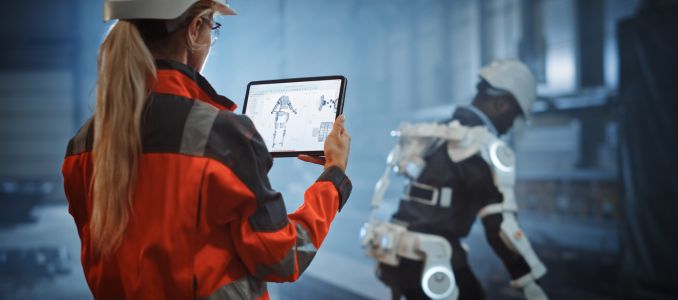
Researchers found that when emerging technologies are implemented, the impact on worker well-being is substantial. Innovations providing physical support, including exoskeletons and robotics, showed the strongest correlation with a reduction in physical symptoms.
Monitoring tools, such as wearable sensors and computer vision software, also proved effective. These technologies help employees identify ergonomic hazards in real time, allowing them to adjust their movements and develop safer long-term work habits.
The data suggests that organizational transparency is a key driver of success. When employers involve frontline staff in the selection and implementation of safety tools, the reported outcomes and overall job satisfaction improve.
According to the study, more than 80% of workers reported either a reduction in MSD symptoms or no negative impact when using these emerging tools. The results emphasize a shift in safety strategy, moving toward a collaborative approach where workers act as partners in the deployment of injury prevention solutions.
About the Author
Jesse Jacobs is assistant editor of OHSOnline.com.