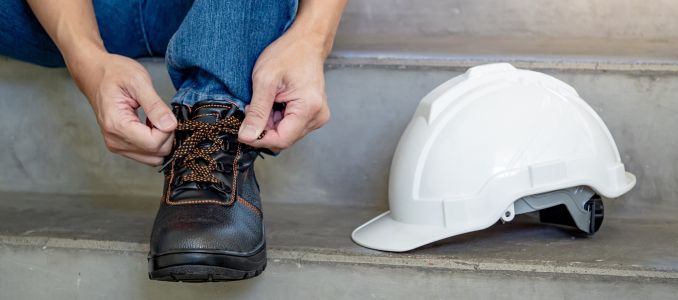
Choosing protective footwear based on workplace hazards, fit, and performance features—not just toe protection—can improve comfort, reduce injury risks, and help workers stay safe throughout every shift.
Safety boots meeting ASTM F2413 crush standards often lack essential arch support, driving plantar fasciitis and worker fatigue on hard jobsite surfaces.
Advancements in materials, comfort and performance are reshaping safety footwear, offering workers lighter, more supportive options that meet evolving jobsite demands while maintaining essential protection.
From ASTM codes to slip resistance and electrical ratings, this guide breaks down the alphabet soup of safety footwear standards and shows how to apply them in real-world workplace decisions.
Steel-toed boots are a safety staple, but knowing when to use them—and when to consider alternatives—can make all the difference in foot protection and comfort.
Protective boots don’t just prevent injuries — they boost morale, productivity, and on-the-job confidence.