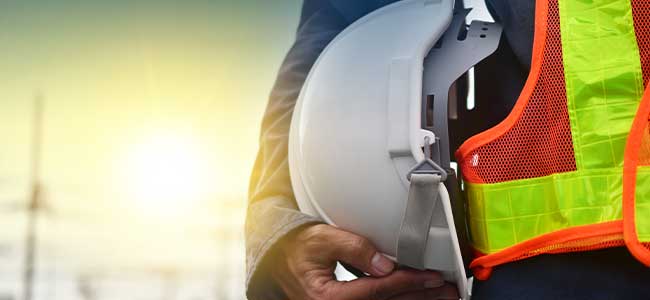
The Illinois-based construction company now faces $264,407 in proposed penalties.

Safety has historically received a lot more attention and mindshare on projects than quality.

Hiring third parties in construction can pose risks in construction, but with a clear strategy in place, those risks can be managed.

A range of promising technologies ranging from wearable technology to helmet-based safety measures are now being introduced to boost construction worker safety.

Prioritizing contractor safety can significantly enhance operational efficiency, reduce costs, improve productivity, and bolster a company's reputation.

SPONSORED
If you’ve spent any amount of time on a commercial roof lately, you know how much is going on up there. It’s a world unto itself.

Construction safety culture can transform by prioritizing leadership, employee engagement and proactive measures beyond traditional rules and procedures.

OJR Construction Inc. was cited for leaving workers vulnerable to safety hazards.

Landmark Erecting Inc. left the 31-year-old worker open to fall protection hazards.

Products with built-in, innovative safety features need to be ubiquitous for the construction industry to effectively improve safety across the board.

Giant Construction Corp. exposed workers to trench-based safety hazards.

The annual initiative aims to reduce fatalities in the construction industry.
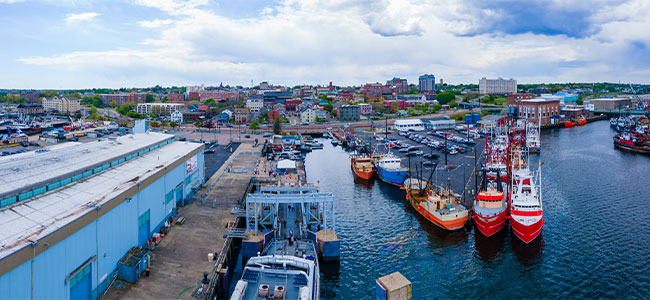
Mohawk Northeast Inc. faces $214,327 in proposed fines following the incident in New Bedford, Massachusetts.

The virtual event kicks off National Work Zone Awareness Week, which runs from April 15-19, 2024.

The NSC collaborated with the NCCCO Foundation for this latest effort in its ongoing Work to Zero initiative.

Here’s why what happens in the field shouldn’t stay in the field.
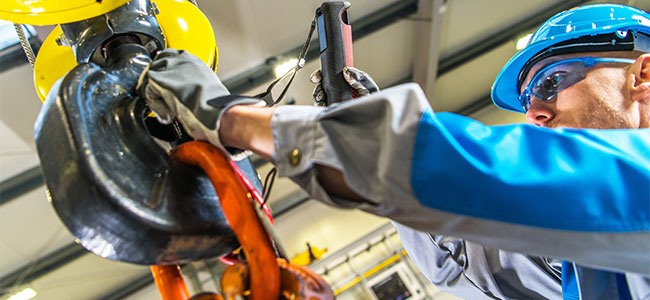
The annual observance takes place on July 18, 2024.

Rotschy LLC faces more than $200,000 in fines for violating child labor laws.
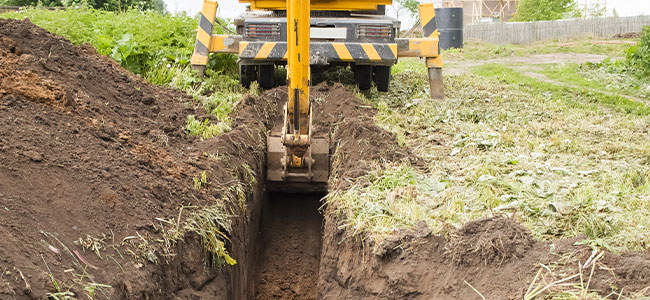
Hurtado Construction Co. now faces $257,811 in proposed penalties.

The organization issued a call for instructors, with submissions due by April 12.