
Treating recurring inspection findings as systemic warnings rather than isolated lapses exposes hidden operational failures before serious incidents occur.
Read Now

Overlapping federal regulations around PFAS, silica, and heat stress require shifting from site-specific sampling projects to defensible, enterprise-wide industrial hygiene programs.
Read Now
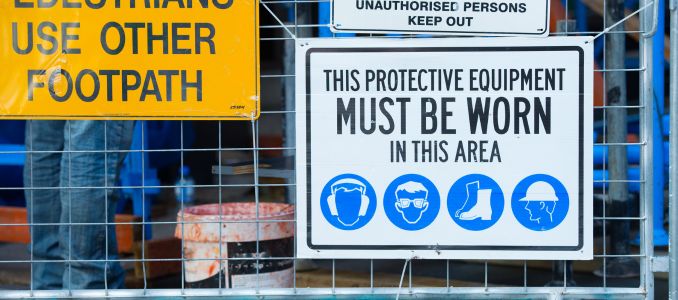
Minor safety shortcuts normalize workplace hazards and create cascading failures that trigger major construction accidents.
Read Now

Proposed OSHA revisions seek to eliminate pre-use medical evaluations for N95s and loose-fitting PAPRs to streamline employer compliance.
Read Now

Two safety innovators discuss how connected technology is bringing real-time data, incident detection and new capabilities to PPE.
Read Now
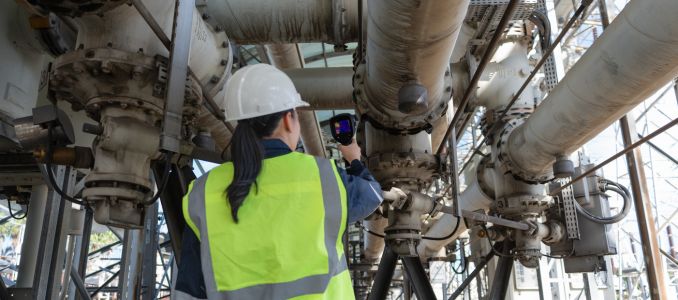
Deploying robust gas detection protects workers from invisible atmospheric hazards while maintaining operational uptime in high-stakes facilities.
Read Now