
Stop treating safety as a lecture. Learn why conditioning new hires like elite athletes reduces injuries, cuts costs and boosts retention.

Oregon high schoolers will receive awards during a May 5 livestream for creating ads that promote heat-illness prevention.
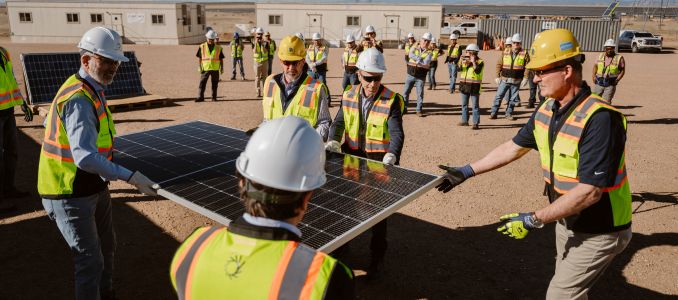
The independent power producer managed five million working hours with high safety performance during a period of rapid renewable energy expansion.
The American Chemistry Council recognizes industry leaders for excellence in environmental stewardship and workplace safety.
Annual ceremony in Salem remembers employees lost to workplace injuries and illnesses while calling for renewed safety commitments.
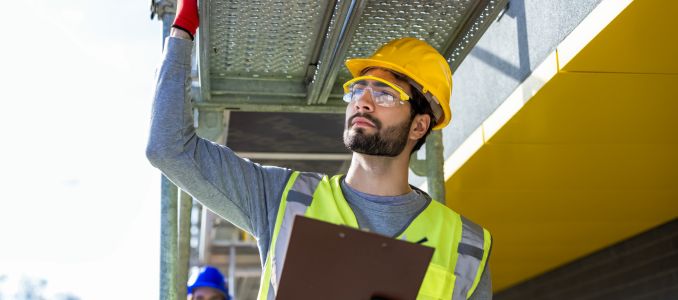
Advocates and laborers highlight rising workplace fatalities and declining federal enforcement in the 2026 report.

Wayne State University and the Islamic Center of Detroit launch MIOSHA-funded safety sessions for construction and general industry workers.

Beyond injury prevention, ergonomic design reduces mental fatigue and physical strain to boost productivity, morale and life outside the shift.

Leadership strategies to maintain employee trust, prevent burnout, and protect productivity when your organization faces major transitions.

A new national program provides employers with tools and peer networks to protect employees from increasing climate-related health risks.

The Industrial Commission of Arizona approved task force recommendations to bolster employee protections ahead of the summer season.

Advocates warn that the lapse of a national oversight initiative leaves millions of employees without guaranteed protections during extreme weather.

OSHA investigators claim a South Dakota contractor fired an employee just days after they reported suffering severe on-the-job burns.

The new Ambassador status solidifies a long-term commitment to protecting workers from chemical hazards in the polyurethane industry.

New research finds more than 80% of frontline employees report reduced physical strain when using injury prevention tools.

Federal agencies partner to provide resources and compliance tools for the 2026 Safety Stand-Down initiative.

Multiple safety organizations alongside the Oklahoma Department of Labor will host an annual event to remember those lost in workplace incidents in 2025.
Workplaces encouraged to hold a moment of silence on April 28 to honor those lost to workplace tragedies and renew safety commitments.

The 2026 Corporate Listening Tour report identifies five critical themes moving EHS from a compliance checkbox to a core business operating system.
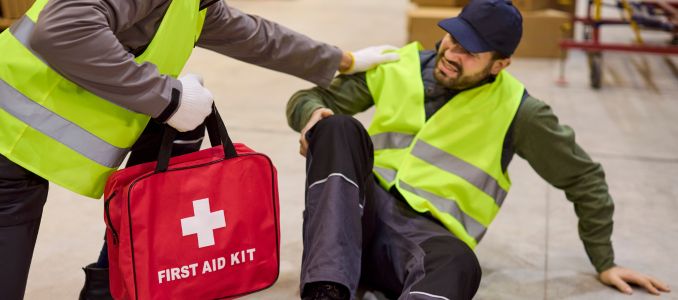
A new global report reveals a disconnect between safety protocols and worker behavior, prompting firms to invest more in training and technology.