
A seafood processing worker suffered a severe hand injury after contacting an improperly adjusted bandsaw blade, highlighting the need for proper guarding.

Musculoskeletal disorders develop quietly through repetitive daily tasks, requiring operations managers to monitor subtle worker workarounds rather than sudden acute events.
Two occupational health and safety leaders have been recognized for their contributions to industry mentorship and development.

While older employees sustain fewer total injuries, physiological changes and comorbidities cause modern workplace slips, trips and falls to become exponentially more severe.

The National Safety Council has awarded grants to help employers pilot emerging technologies designed to identify, predict and mitigate worker fatigue, a leading contributor to workplace injuries and operational risk.
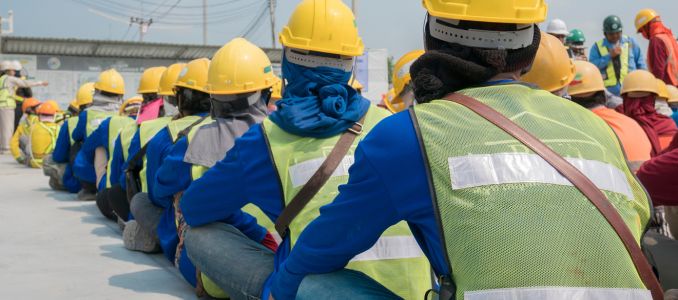
A shared organizational mindset and proactive leadership protect field workers more effectively than basic compliance checklists.

Technical sessions covered industrial ergonomics, biological hazards, real-time monitoring and career development.

A federal safety investigation into a meat grinder incident that cost an employee four fingers reveals willful and serious safety violations.
Initial conference events focused on occupational health risks, regulatory updates and workplace safety technology.

The campaign offers weekly resources to target preventable injuries nationwide.
The J. J. Keller SPOTY Awards recognize environmental, health and safety professionals with prize packages worth up to $47,200.

A chemical tank rupture in Longview spilled 500,000 gallons of corrosive liquid, marking one of the nation's deadliest workplace disasters in years.

Washington labor officials remind businesses of safety requirements and restricted duties for minors.

New research shows deferred recovery and worker burnout act as operational exposure risks that trigger preventable errors and near-misses.
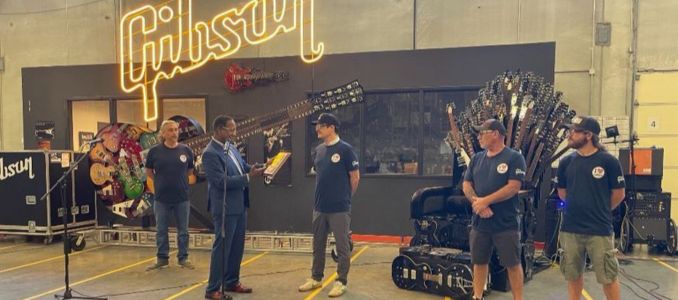
The Nashville facility achieved over 412,000 consecutive hours without a lost-time or restricted-duty workplace injury or illness.

The tool manufacturer partnered with the American Foundation for Suicide Prevention to reach over 100,000 workers during Construction Safety Week.

New guidance from Washington’s Department of Labor & Industries encourages employers to address workplace stress, burnout and psychological safety as part of overall worker health.
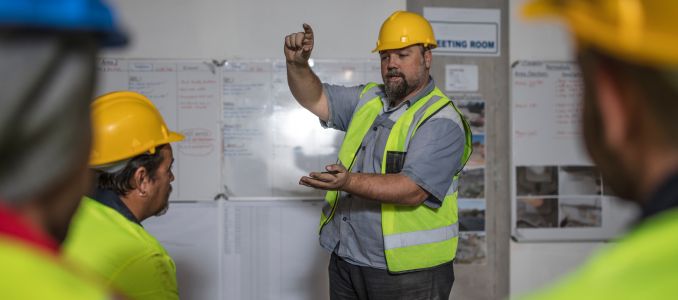
Explore why workplace safety perception often masks hidden risks and how organizations can bridge the knowledge gap before a system failure occurs.

Washington State L&I is encouraging employers to address stress, fatigue and psychological safety as part of a broader approach to preventing workplace incidents and supporting worker well-being.

Southern California Edison and Georgia-Pacific were recognized for pioneering new technology and strategies to eliminate workplace hazards.