Future Proofing Factory Infrastructure for Advanced Automation
As factory construction surges, facility design must evolve to handle the complex collision risks posed by robotics and high-speed automation.
A new wave of U.S. factory construction is set to accelerate in 2026, with an estimated $560 billion committed to megaprojects designed to support robotics, advanced automation and high-speed materials handling.
However, while these facilities are designed to push efficiency and output to new levels, they may never reach that potential without addressing a critical risk: increased collisions.
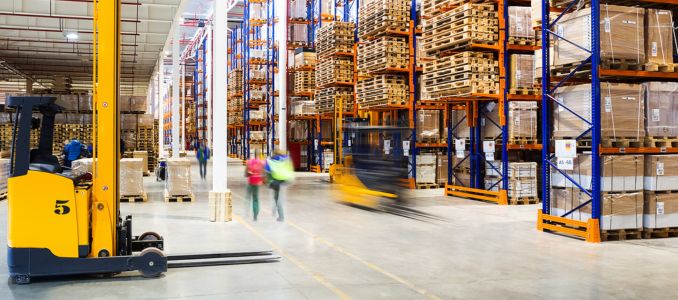
In many facilities, production technology has evolved faster than the environments built to support it. Systems designed for predictable traffic patterns now manage far more complex movement. Higher pallet volumes and tighter logistics cycles place forklifts, automated vehicles and workers in closer proximity throughout the facility.
Yet facility design has not kept pace. Layout decisions often prioritize production flow and equipment placement, with less consideration for how traffic moves through increasingly dense industrial spaces.
Together, these conditions create a perfect storm inside modern facilities. Dense traffic, faster throughput and infrastructure not designed for these realities increase the risk of collisions, operational disruption and costly repairs.
To avoid these outcomes, manufacturers must incorporate infrastructure planning, traffic management and impact resilience into facility design from the outset. Otherwise, they risk creating facilities that cannot safely support the pace and complexity of modern production.
Automation is Changing the Risk Profile of Manufacturing Facilities
Why have collisions become so high-stakes?
Historically, many impacts inside industrial facilities were treated as isolated safety incidents or routine maintenance issues. A damaged barrier or rack support might require repair while the broader production environment continues operating without major disruption.
Highly automated environments behave differently.
Material flow in modern factories is tightly synchronized. Robotics, automated storage systems and high-speed material handling rely on consistent movement between storage areas, logistics routes and production lines. When that movement is interrupted, even briefly, operational consequences can escalate quickly.
Damage to columns, safety barriers, or racking systems can disrupt key material handling routes, forcing equipment and vehicles to reroute and creating bottlenecks within tightly coordinated production environments.
Consider a forklift route feeding materials into an automated storage system. If a barrier or rack support along that route is damaged, materials may not reach the automated system on schedule.
Under these conditions, infrastructure impacts carry greater operational consequences. Collisions that once resulted in routine repairs can now interrupt material flow, delay production or expose high-value automation equipment to damage.
The disruption can ripple through production schedules and delay output across multiple processes. What once looked like a minor repair can now create meaningful operational disruption when facilities operate at full capacity.
Over time, organizations may find themselves responding to the same issues repeatedly — repairing damaged infrastructure, restoring operations and moving forward. As facilities become more dependent on uninterrupted material flow, this reactive maintenance pattern grows increasingly costly.
What Manufacturers Must Prioritize to Build Infrastructure Resilience
Manufacturers planning new facilities have an opportunity to address infrastructure resilience early in the design process.
Prioritizing the following considerations during facility planning can help ensure operations remain efficient and protected as production begins and internal traffic volumes increase.
- Establish clear traffic segregation
Facilities perform more safely and predictably when vehicle traffic, automation systems and pedestrian pathways are clearly separated. Dedicated traffic lanes and defined pedestrian routes reduce the likelihood of collisions in areas where equipment movement is constant.
Incorporating these pathways into the building layout during the design phase helps maintain smoother material flow while limiting unnecessary interaction between vehicles and workers.
- Integrate protective infrastructure into the facility layout
Protective infrastructure is most effective when it is designed as part of the facility itself rather than installed after operations begin.
Planning the placement of barriers and protective systems alongside equipment and logistics routes allows them to reinforce safe traffic flow instead of obstructing it. This approach reduces the need for reactive installations once the facility is operational.
- Design infrastructure for long-term operational pressure
High-throughput facilities place continuous stress on the surrounding infrastructure. Designing protection systems that can withstand sustained operational pressure helps maintain production stability over time.
Durable infrastructure reduces repair cycles, limits operational disruption and supports consistent material flow throughout the facility.
Building Factories That Can Keep Pace with Automation
Factories are being built faster than ever as manufacturers expand domestic production capacity and invest in increasingly automated operations. But speed of construction should not come at the expense of durability.
Automation will continue to transform how materials move through production environments, increasing the intensity and complexity of activity inside modern facilities. As throughput expectations rise, the surrounding physical infrastructure must be designed to withstand these demands.
Facilities that prioritize safe traffic flow, protection systems and long-term operational pressure during the design phase will be better positioned to maintain efficiency, protect equipment and avoid costly disruption over time.