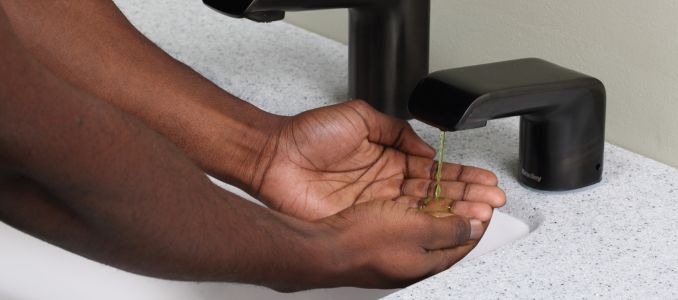
Observed each year on October 15, Global Handwashing Day reminds safety professionals and employees that proper hand hygiene remains one of the simplest, most effective defenses against illness in the workplace.

Canada’s largest public employees’ union introduces a new resource to address psychosocial hazards, reduce workplace stress, and promote mental health as a core part of occupational safety.
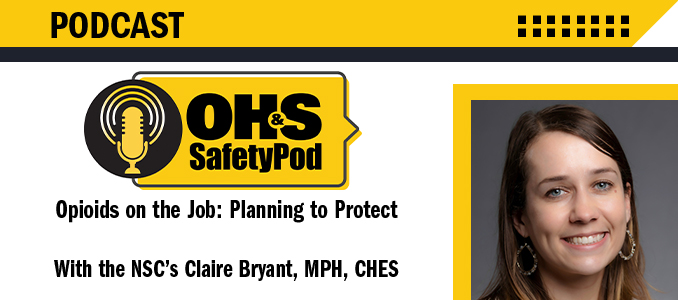
Content Editor Stasia DeMarco talks with Claire Bryant, Senior Program Manager of Workplace Safety Programs at NSC, about a new tool to help employers address opioid emergencies in the workplace.
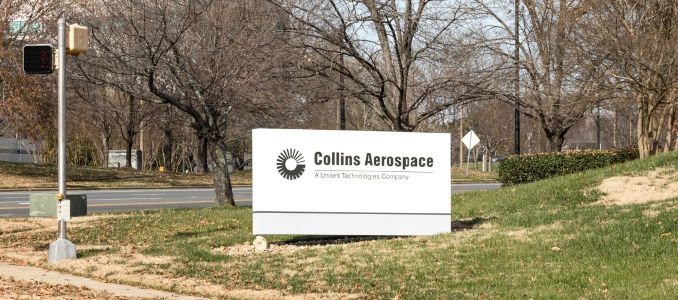
The recognition places Collins Aerospace among a select group of U.S. worksites where management and employees collaborate to exceed OSHA requirements, reduce risks, and build a model safety program.

The free “Healthier Workplaces and Schools” guide offers risk-assessment tools and mitigation strategies designed for non-technical decision makers to combat airborne infectious diseases.
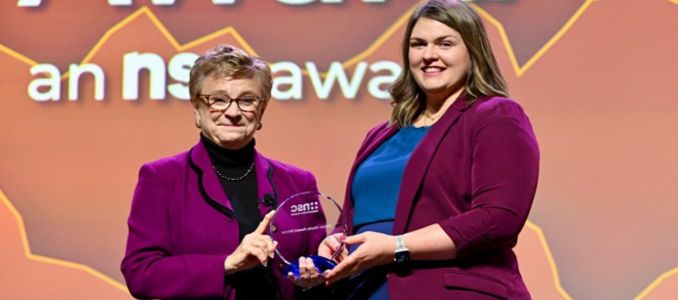
Futrell, Chief of Safety and Occupational Health for the U.S. Army Corps of Engineers’ Mississippi Valley Division, is recognized for leadership, advocacy and advancing women in safety.

The three-day event in Ashland will bring together safety leaders, workers, and regulators to share best practices and strategies for safer workplaces.

MIOSHA, industry partners, and trade groups are joining forces during Construction Suicide Prevention Week, Sept. 8–12, 2025, to raise awareness, provide resources, and address the mental health crisis in the construction industry.

Observed September 8–12, 2025, Construction Suicide Prevention Week highlights the industry’s urgent mental health crisis while promoting peer support, awareness, and life-saving resources for workers.

Women in construction and facility safety are reshaping workplace health by driving Total Worker Health™ forward through inclusive PPE, ergonomic solutions, psychosocial protections, and leadership advocacy.
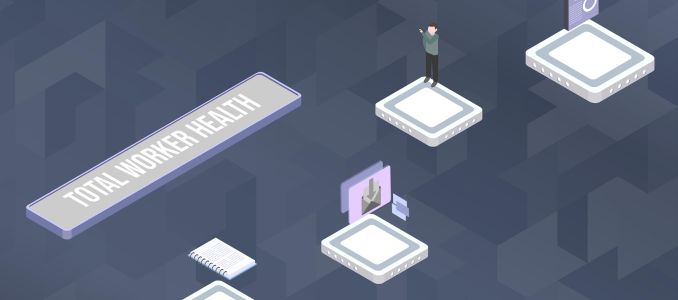
Encouraging employees to apply workplace safety habits at home protects their families, reduces off-the-job injuries, and strengthens the overall safety culture.

The American Society of Safety Professionals’ flagship event welcomed thousands of safety and health leaders, showcased its largest-ever expo and set the stage for Safety 2026 in Anaheim.
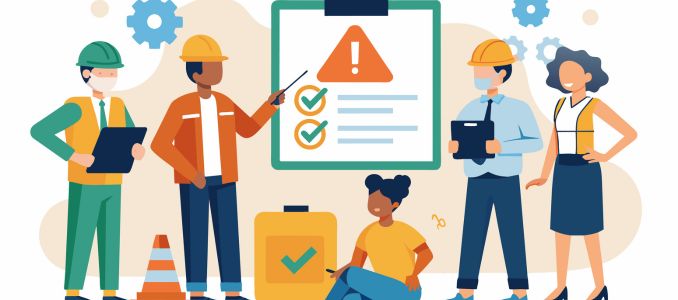
Using updated injury data, Nevada OSHA adopts a federal directive to guide targeted workplace inspections, while retaining state-specific protocols.
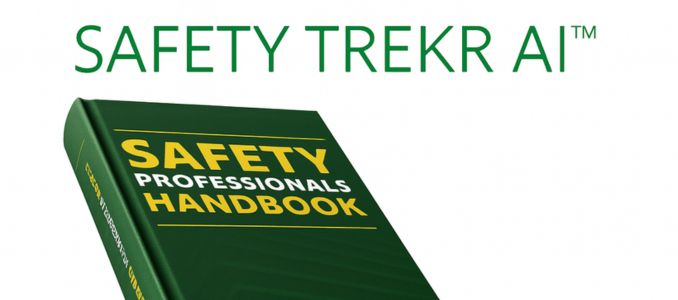
At Safety 2025, ASSP gave attendees an inside look at the closed AI model behind Safety Trekr AI™, built to deliver trusted responses from the Safety Professionals Handbook—on the jobsite or at your desk.
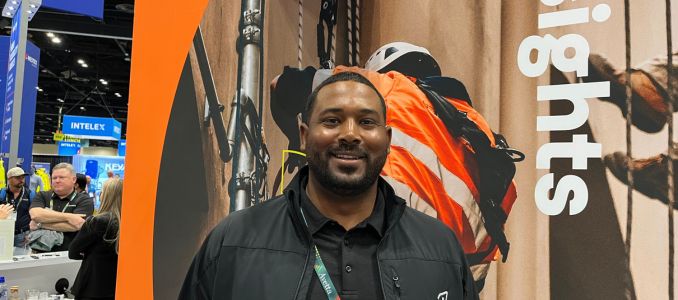
EcoOnline’s latest workplace safety survey reveals a dangerous disconnect between how safe employees feel and the risks they face.

The FY 2024 FAME report highlights major reductions in workplace fatalities and strong enforcement performance by North Carolina’s Occupational Safety and Health Division.

A forward-looking session at Safety 2025 urges construction leaders to address suicide, substance use, and mental health alongside traditional safety hazards.

Renowned relationship expert Shasta Nelson will deliver the Safety 2025 opening keynote on fostering trust, collaboration, and connection in the workplace.

At ASSP Safety 2025, Highwire's David Tibbetts urges safety leaders to investigate serious injury potential—not just outcomes.

Workplace trauma affects a wide range of employees—employers who prioritize flexible policies, non-judgmental communication, and mental health resources create safer, more resilient teams.