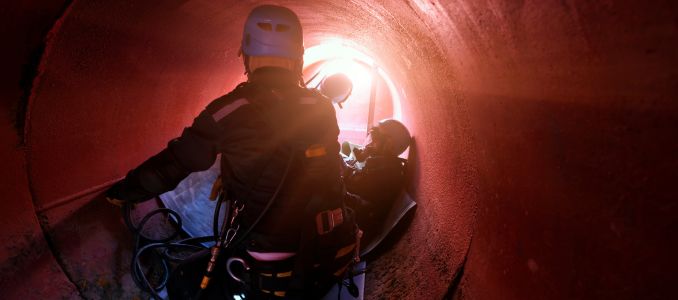
Why safety managers need to carefully consider tripods, rescue planning, and equipment selection in complex confined spaces.
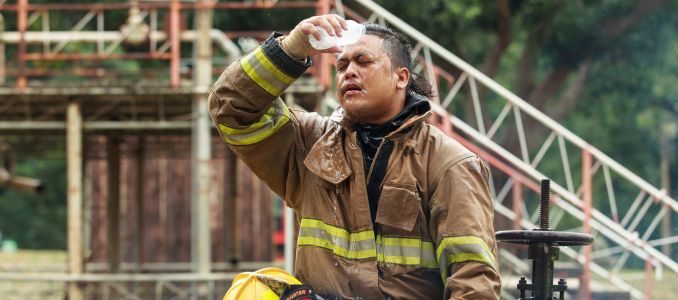
As OSHA advances a federal heat rule and temperatures continue to climb, safety professionals are reevaluating how FR and FR/AR clothing affects worker comfort, compliance and physiological strain.

Why workplace AED readiness depends on planning, accessibility and response coordination.
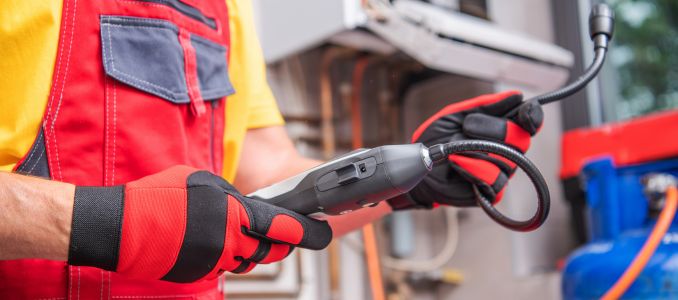
New innovations in gas detection are transforming devices from simple alarms into integrated safety tools that deliver data, improve usability, and enable more proactive workplace risk management.

How workforce wellness, PPE fit and fatigue reduction are transforming safety programs from reactive protection into proactive performance strategies.
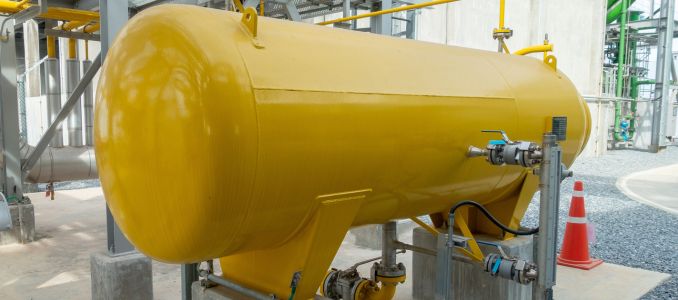
Tank inventory system training plays a key role in workforce protection, safe storage, and incident prevention.
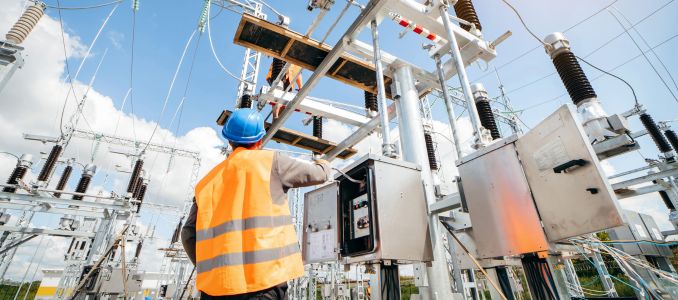
As electrical systems grow more complex, organizations must shift from checklist-driven compliance to proactive, culture-based safety strategies that identify risks early and empower workers to prevent incidents.

Traditional heat safety methods can miss critical risks. By combining environmental and physiological data, safety professionals can identify blind spots and shift toward predictive strategies that prevent heat-related incidents.

Twenty-five years of transition from paper clipboards to AI image recognition have drastically accelerated inspection speed, yet checkbox fatigue and unresolved hazards remain.

Musculoskeletal disorders develop quietly through repetitive daily tasks, requiring operations managers to monitor subtle worker workarounds rather than sudden acute events.

While older employees sustain fewer total injuries, physiological changes and comorbidities cause modern workplace slips, trips and falls to become exponentially more severe.
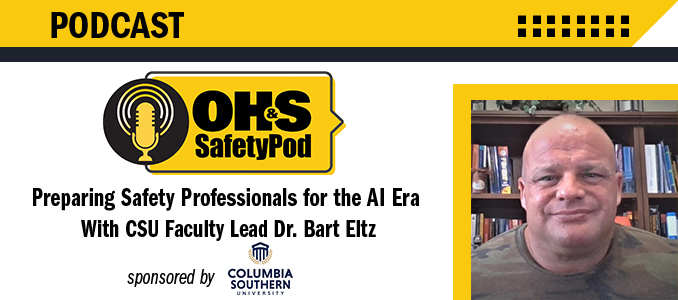
Dr. Bart Eltz of Columbia Southern University discusses how AI is transforming workplace safety, the opportunities and risks of AI-powered tools, and why human expertise remains essential.
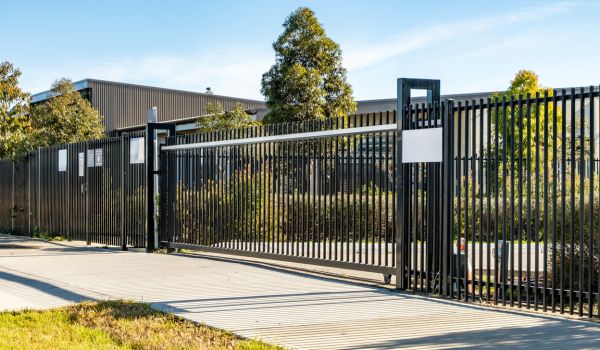
Campus safety cannot wait as higher education shifts from reactive emergency response to continuous, intelligence-driven preparedness.

Stop blaming individual shortcuts; repeated safety violations reveal poorly cultivated organizational systems, inadequate job designs and silent tolerances.
A look at recent workplace developments, including Industrial Scientific’s data platform, Donaldson’s mist collector, executive changes at T&M Associates, security barriers from Hope's Windows and Volkmann's material handling system.

Asbestos and NORM exposures remain a persistent risk in maintenance and aging infrastructure. Proper hazard identification and advanced PPE strategies are critical to protecting workers in complex, multi-hazard environments.

How workforce wellness, PPE fit and fatigue reduction are transforming safety programs from reactive protection into proactive performance strategies.