-

Reskilling workers from operational, military and public safety roles could help address the growing shortage of OHS professionals.
read now
- Safety Training
- Board Certification
-
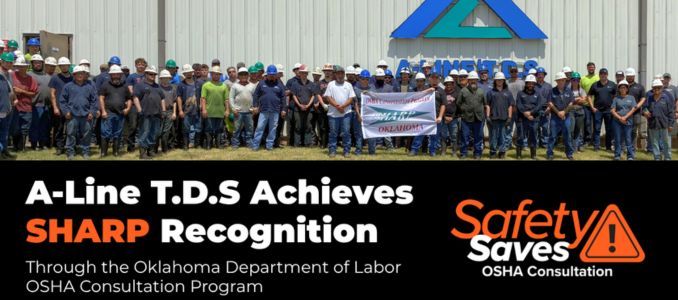
A-Line TDS implemented changes to its safety program after participating in OSHA On-Site Consultation, including greater employee involvement in daily safety meetings.
read now
-

The voluntary 2026 revision identifies naloxone as a supplemental supply and adds guidance for first aid, CPR and AED training.
read now
-

Recognizing the signs, starting conversations, and reducing stigma can help create safer, more connected job sites.
read now
-
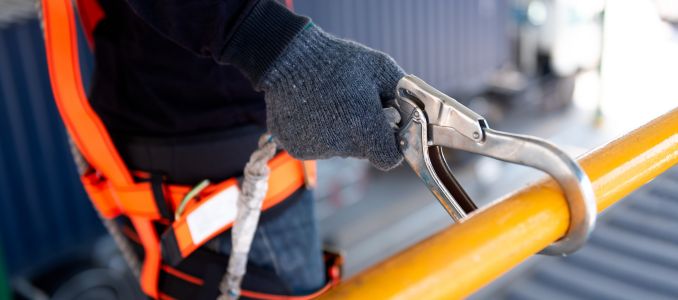
New analysis connects frequently cited workplace standards with federal injury, illness and fatality data.
read now
-

Investigators found that 11 administrative controls failed to stop flammable gas from entering Furnace 5 and causing the explosion.
read now
-
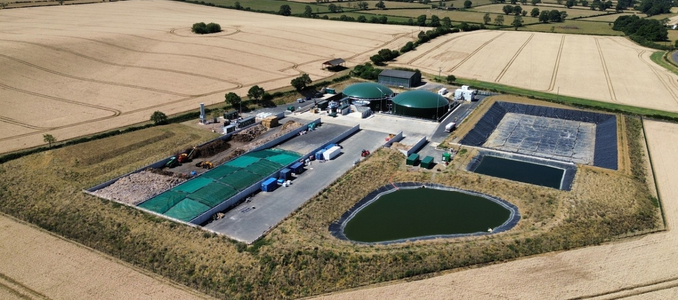
The G8 devices provide workers at the U.K. facility with fall alerts, location tracking and 24-hour emergency monitoring.
read now
-
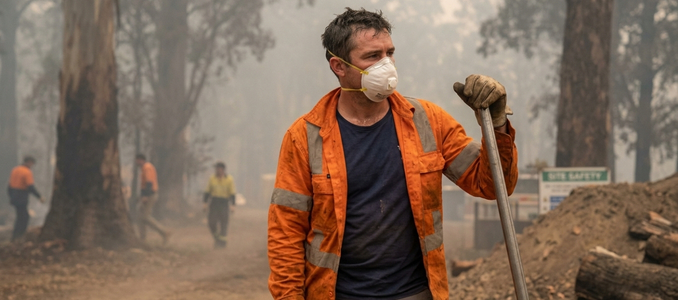
Effective response plans combine filtration, monitoring, remote work and respiratory protection.
read now
-

The submersible technology reduced confined-space entries to zero across 385 tank inspections.
read now
-

Procter & Gamble safety leader Karen LaRue was recognized for her contributions to workplace safety and her support of women in the profession.
read now
-
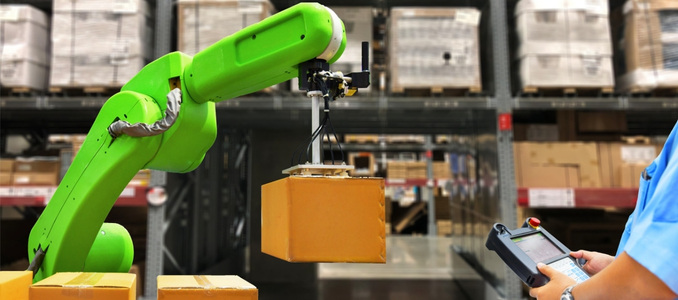
Covered businesses must choose among three remedies for workers displaced by autonomous robots.
read now
-

Inspectors found workers exposed to falls of up to 25 feet and cited violations involving protective equipment, ladders and stairways.
read now
-
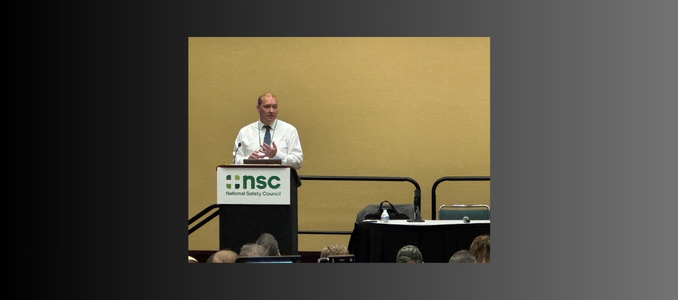
Fall protection remained OSHA’s most frequently cited standard for the 16th consecutive year, while an agency official offered a closer look at the compliance problems behind this year’s list.
read now
-

National Safety Council recognition honors a mid-career professional for contributions to workplace safety, education and standards.
read now
- Awards and Incentives
- Safety Incentives
-

Road safety education, predictive analytics and mobile traffic control earned recognition from the National Safety Council.
read now
- Industry Events
- Awards and Incentives
-
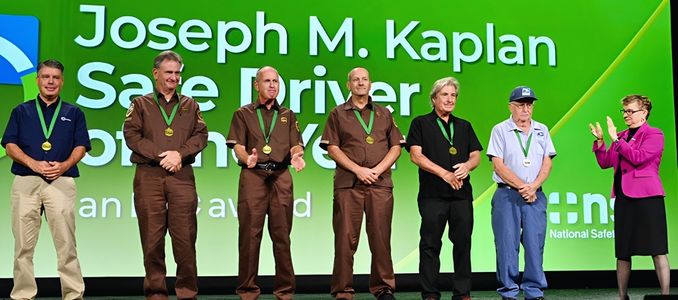
Honorees were selected based on miles and years driven without a preventable crash.
read now
-

Recipients were recognized for work in injury prevention, construction safety, risk management and safety leadership.
read now
- Industry Events
- Awards and Incentives
-

Incident data, worker feedback and control effectiveness can help employers prioritize investments when resources are limited.
read now