
K.G. Walters Construction is one of only four employers statewide to receive the Safe Partner Award from SCATS.

A seafood processing worker suffered a severe hand injury after contacting an improperly adjusted bandsaw blade, highlighting the need for proper guarding.
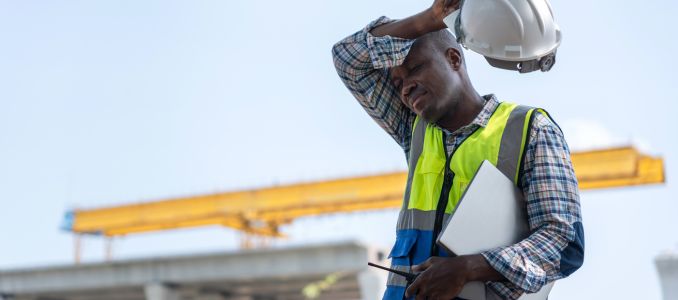
Worker advocates say the executive order is a major step toward preventing heat-related illnesses and fatalities as federal regulators continue developing a nationwide workplace heat standard.
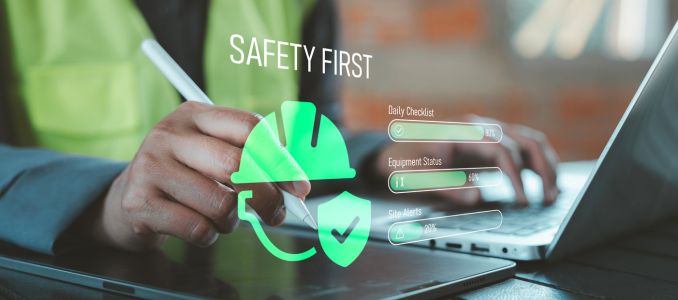
A survey of over 1,000 safety professionals reveals that artificial intelligence and leadership support are reshaping workplace safety programs.

VPPPA says OSHA's decision to align VPP with its Recommended Practices framework will help employers strengthen safety and health management systems nationwide.
Legislation modernizes the retaliatory employment discrimination complaint process to improve transparency and efficiency.
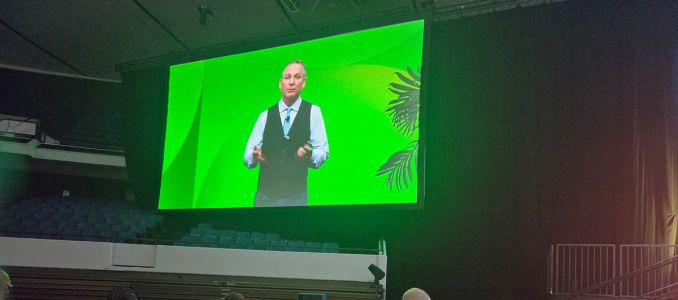
Futurist Dan Chuparkoff outlines how machine learning transforms 1,300-page regulatory books and raw incident data into instantaneous, live workplace insights.
Two occupational health and safety leaders have been recognized for their contributions to industry mentorship and development.
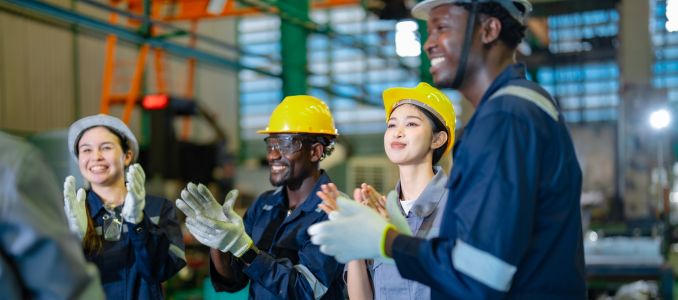
The state's agency and industry representatives will collaborate on efforts to improve construction workplace safety.
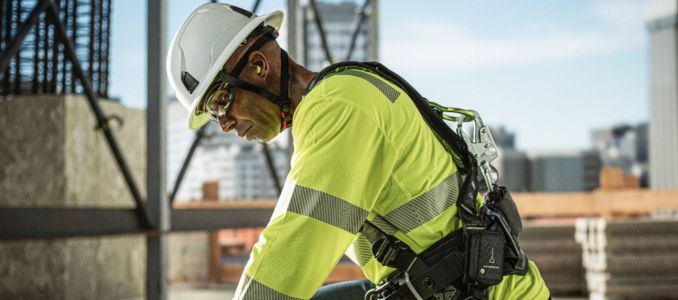
Traditional hard hats leave workers vulnerable to side impacts and falls, prompting safety managers to adopt advanced Type II head protection with internal liners and integrated chin straps.
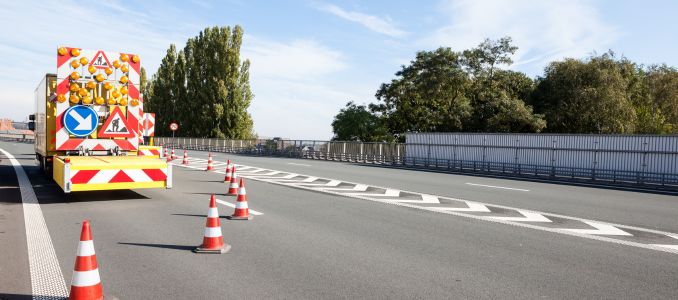
Infrastructure professionals emphasize that data tools, fleet training and driver attention are all critical to protecting workers near traffic.
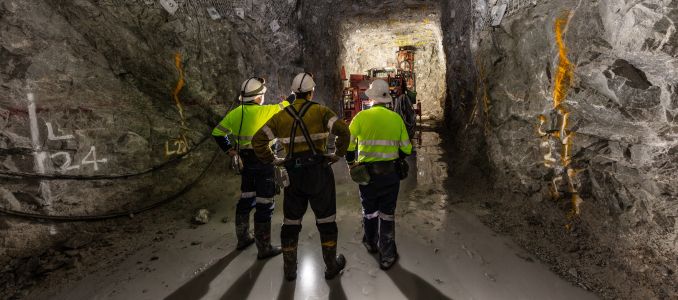
The Mine Safety and Health Administration is making $10.5 million available to fund federally mandated training for U.S. miners.
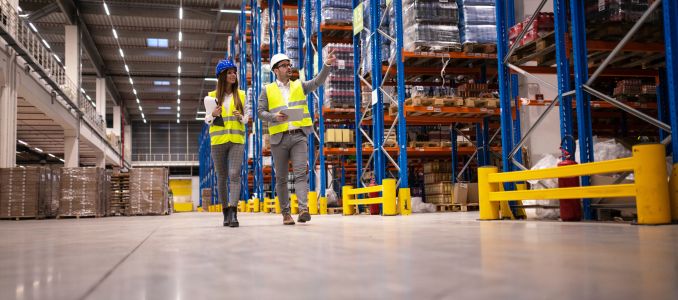
A five-year commitment from Rhythm Innovations and the Rath Family Foundation will support the prestigious workplace safety accolade.

The acquisition expands Novara's artificial intelligence capabilities and environmental compliance software offerings.
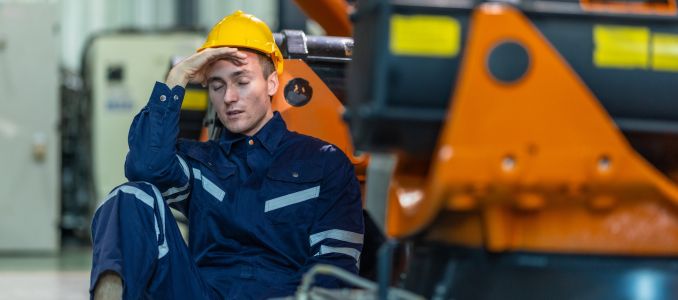
The Work to Zero initiative awarded over $60,000 to help organizations test innovative solutions aimed at reducing workplace injuries.
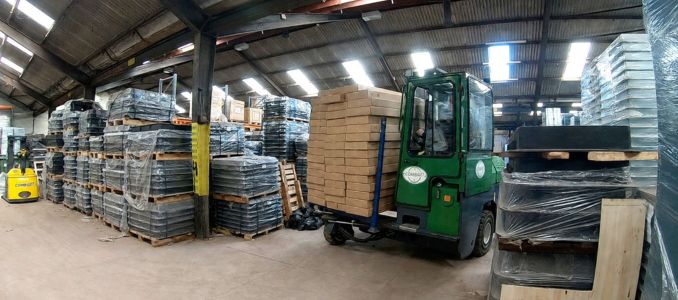
A specialized machine at an Irish supply company demonstrates how purpose-built equipment has minimized traffic and workplace risks for decades.

Revised ANSI/ASSP A10 standards address worker hoists, safety nets, emergency preparedness, drilled shafts and debris containment systems.