A direct final rule clarifies the definitions of Beryllium Work Area, emergency, dermal contact, and beryllium contamination, and it clarifies provisions for disposal and recycling and provisions that OSHA intends to apply only where skin can be exposed to materials containing at least 0.1 percent beryllium by weight.
The first certification provided by the institute will be on the new ISO 45001 standard. "I think companies will have a competitive advantage when displaying the institute's certification mark," ASSE President Jim Smith said. "It will demonstrate compliance with quality-driven standards that are geared to reduce workplace injuries, illnesses, and fatalities. Investors and customers will gain confidence in knowing that."
"The NFPA 3000 process, from start to finish, has been an exceptional example of emergency responders and other safety-focused practitioners swiftly coming together to provide invaluable perspective and address a significant threat in our world," NFPA President and CEO Jim Pauley said. "The proactive, integrated strategies recommended and defined in NFPA 3000 will go a long way in helping communities plan, respond, and recover from active shooter and hostile events."
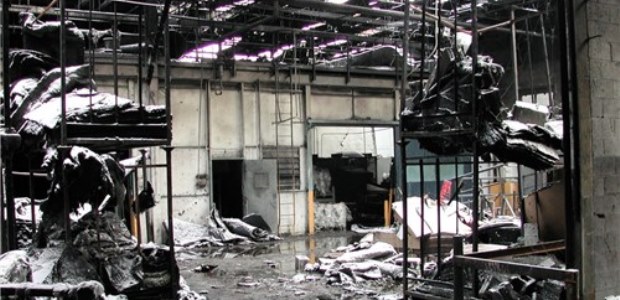
The bottom line is this: If your facility contains dust, you should have it tested for combustibility.

With the right strategies and tools, you’ll overcome the challenges and create an industrial hygiene program that protects your most important asset—your employees.
The Part 219 presentation will address the expanded scope of FRA's drug and alcohol control regulations to cover maintenance of way employees. The Part 243 presentation will provide an overview of program compliance requirements and address significant upcoming implementation deadlines.

Among the questions the agency asks are what are the safety and security issues raised by automation in railroad operations at public and private at-grade highway-rail crossings, and to what extent should DOT coordinate with state or local governmental entities on certain safety or security issues.
Becoming effective on June 2, 2018, the rule will require that each working place be examined at least once each shift for conditions that may adversely affect safety or health of miners before work begins or as miners begin work in that place.

Failing to perform the duties of a driver involved in a motor vehicle crash can result in felony charges, the Oregon Department of Transportation warns.
"We are seeing the same safety violations at Dollar Tree stores over and over again in Washington," said L&I Division of Occupational Safety and Health Assistant Director Anne Soiza. "It's concerning because this is a national problem, as well. Employees, and sometimes customers, are being put at risk even though the fixes to these safety problems are simple."
MSHA sought information and data on the effectiveness of its current standards and policy guidance on controlling miners' exposure to diesel exhaust -- standards that date to 2001, when an MSHA final rule established new health standards for underground metal and nonmetal mines that use equipment powered by diesel engines.

Good shoes make better employees.
“By coming together, these leaders will advance food safety for controlled environment growers and for the fresh produce industry as a whole, which in turn will benefit consumers and public health,” says Bob Whitaker, Ph.D, Produce Marketing Association's chief science and technology officer.
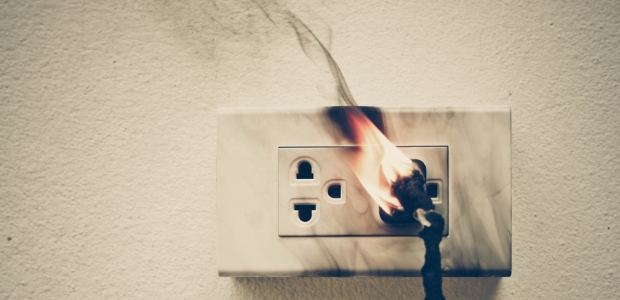
NFPA noted that from 2010 to 2014, an annual average of more than 61,000 fires in the United States were attributed to electrical failures or malfunctions, causing more than $2 billion in losses and killing an average of 432 people each year.
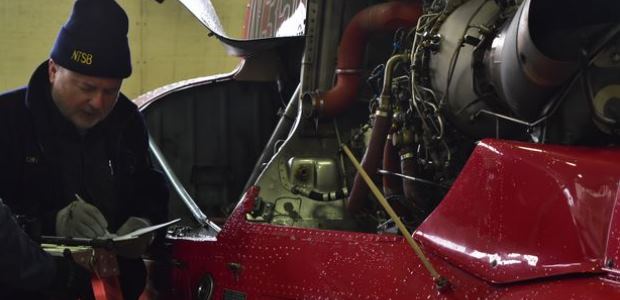
The agency's March 19 recommendation seeks an FAA ban on flights using unsafe passenger harness systems.
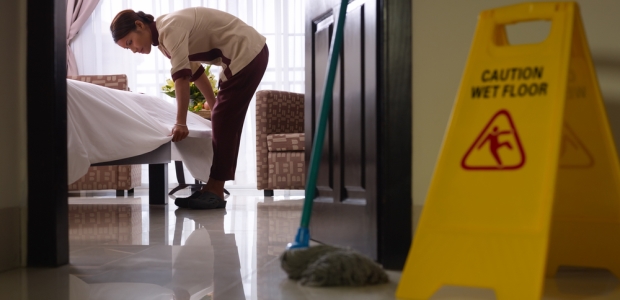
The regulation requires employers in the hotel and lodging industry to implement and maintain an effective Musculoskeletal Injury Prevention Program so employees won't be hurt from tasks such as lifting mattresses, pulling linens, pushing heavy carts, and slipping, tripping, or falling while cleaning bathrooms.
California's ultra-low NOx emissions standard is 0.02 grams per brake horsepower-hour. This program will demonstrate the first diesel engine to comply with this state standard.
New members Jack Poole of Poole Fire Protection Inc. and Rodger Reiswig of Johnson Controls are serving three-year terms effective Jan. 1, 2018.
Each year, the department presents awards to domestic wastewater and drinking water facilities around the state that demonstrate excellence in operation, maintenance, innovative treatment, waste reduction, pollution prevention, recycling, or other achievements.
Phase one focused on ice rinks and recreational facilities. Of the 223 sites inspected, 181 were using ammonia refrigeration systems. Inspecting officers issued 1,134 orders, three compliance agreements were created, and one stop use order was issued.