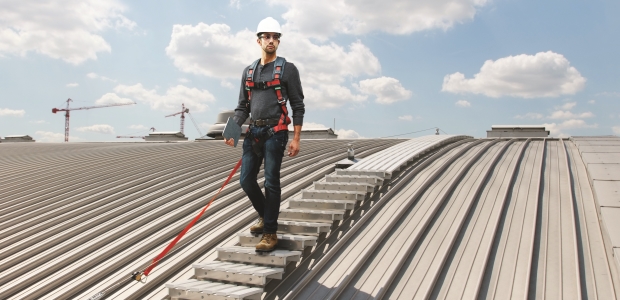
Although ANSI standards are voluntary, they represent the consensus of industry experts and frequently provide more detailed product performance guidelines.
The April event focused on securing future technologies, cybersecurity, and other challenges, as well as solutions for smart manufacturing, mobility, and agriculture.
They plan to provide members, employers, and workers with information on how to properly select, use, maintain, and store PPE and safety equipment, as well as share information on developments in national consensus standards for personal protective and safety equipment.
NFPA task groups and technical committees have worked during the past three years to integrate the requirements of NFPA 720 into NFPA 72. NFPA's goal is to provide smoke alarm and carbon monoxide alarm requirements in a single, comprehensive document.
OSHA has partnered with the National Utility Contractors Association (NUCA) and the North American Excavation and Shoring Association (NAXSA) to promote a Trench Safety Stand Down during June 18-23.
ANSI and NIST hosted a World Standards Day 2018 event in Washington, D.C., on June 14 with expert discussions focused on codes and standards and their significant role in supporting strong, resilient 21st century infrastructure solutions.

The agency will host two more this summer: July 16, focused on best practices for PTC system field testing and interoperability testing, and Aug. 20, focused on lessons learned and best practices for PTC Safety Plans.
"It is a win-win standard because it gives buyers the assurance of a standardized level of quality while securing safety and quality for those in the supply chain," said Bertrand-Marie Nahon, convenor of the working group that developed the standard.
Most provisions of the standard become enforceable on June 23. OSHA announced it intends to issue interim enforcement guidance until a compliance directive on the new standard is finalized.
The semiannual regulatory flexibility agenda includes rules that are likely to have a significant economic impact on a substantial number of small entities. Two from OSHA are prerule stage -- Communication Tower Safety and a Tree Care Standard -- and two are long-term actions -- Infectious Diseases and Process Safety Management.

Currently there are six metal shredding facilities in the state. The California Department of Toxic Substances Control plans to set enforceable operating requirements for metal shredding facilities through a hazardous waste permit.
The society's website is now www.assp.org and features a complete redesign that showcases ASSP's strategic priorities of education, advocacy, standards, and member communities. Members voted last year to switch to ASSP.
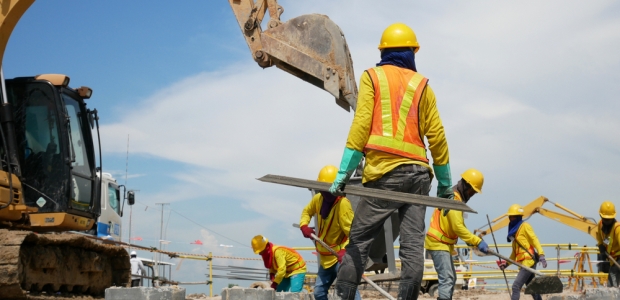
The standard is specifically designed for industrial gloves and the special protection they offer to workers.

A particularly relevant session this year is the June 6 General Session, a panel discussion about preparing for workplace violence and active shooter incidents.
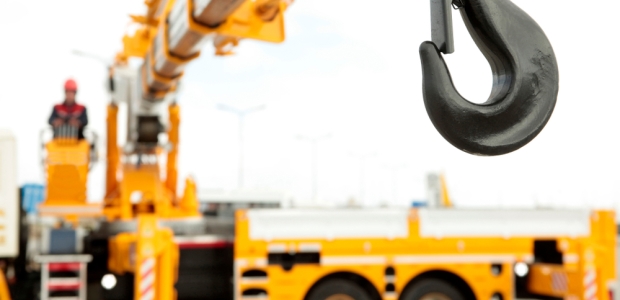
The rule will provide long-term clarity on crane operator certification requirements, and it would change the categories of certifications for crane operators to ensure more operators are able to meet the requirement.
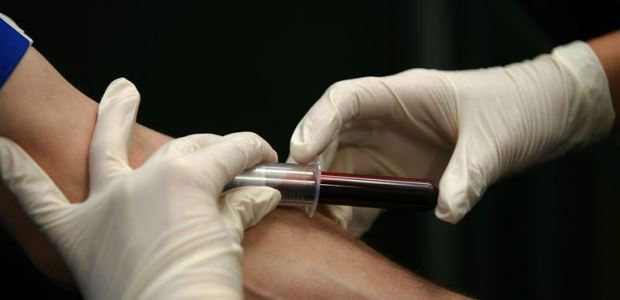
Two former OSHA staffers identified the agency's most-cited violations during 25 years of enforcement (1991-2015), presenting their findings at AIHce EXP 2018.

Subject to conditions and limitations, some N95s will be exempt from FDA premarket notification requirements, meaning that N95 manufacturers will be able to submit a single application to NIOSH rather than submitting paperwork for clearance and approval from both agencies.

Remote work, turbine height, limited access, and turbine manufacturer variables are challenges addressed in ANSI/ASSE A10.21, which establishes requirements for job site work and equipment. Publication of the new standard is expected in June 2018.
MI Windows and Doors, which produces new construction and replacement windows for businesses and homes, recorded an injury and illness rate 54 percent below the national average in the last three years.
ANSI is one of four accreditation bodies recognized by EPA to provide accreditation services under the final rule, which is intended to reduce exposure to formaldehyde emissions from certain wood products produced domestically or imported into the United States.