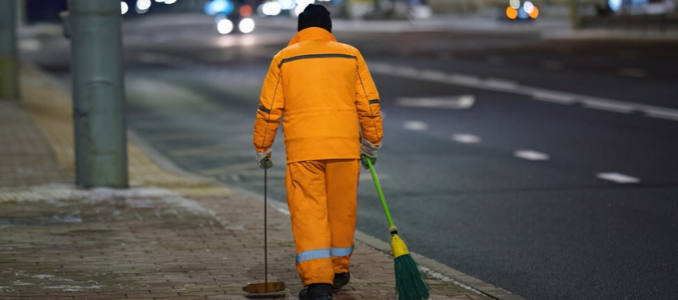
As state laws and workplace risks evolve, more employers are reexamining how they protect employees who work alone.

A newly signed law strengthens procedures for investigating serious workplace incidents and expands potential criminal liability for certain safety violations.

The awards will be presented March 2, 2027, at the Oregon Convention Center in Portland.
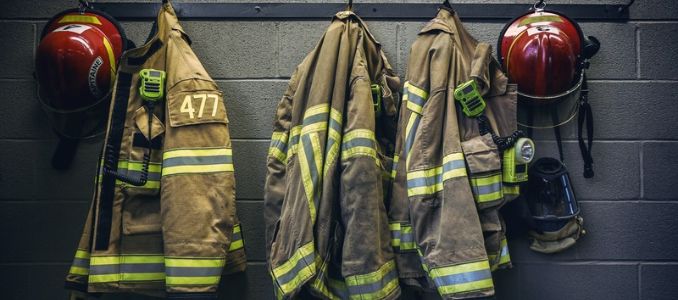
International working groups will examine occupational health risks, smart protective equipment and oversight of AI tools.
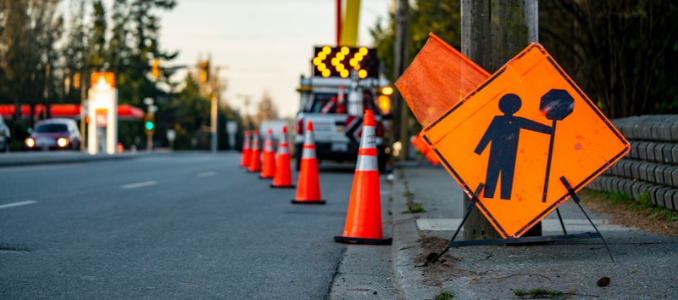
Six contractor employees have been struck and killed on Caltrans highway projects since Aug. 10.

He had run the department as acting secretary since April and served as deputy secretary before that.

The device sent data for nearly three hours during a normal workday, but researchers say accurate sweat readings need more testing.
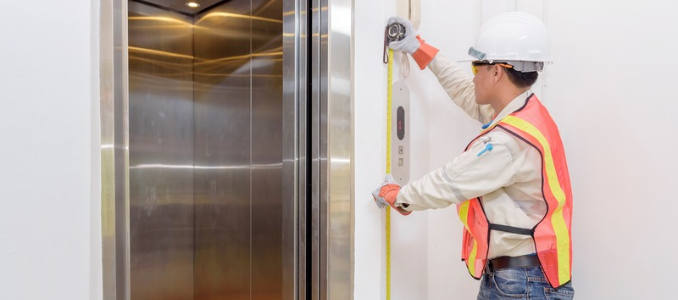
The public can attend in Albany or New York City or watch the meeting via livestream.
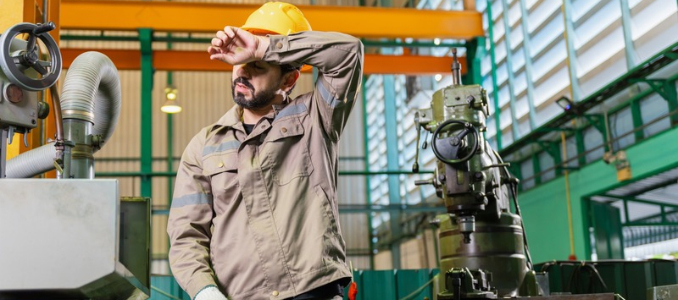
Hot workplaces can wear workers down, but a few simple steps can help managers spot and reduce the problem.
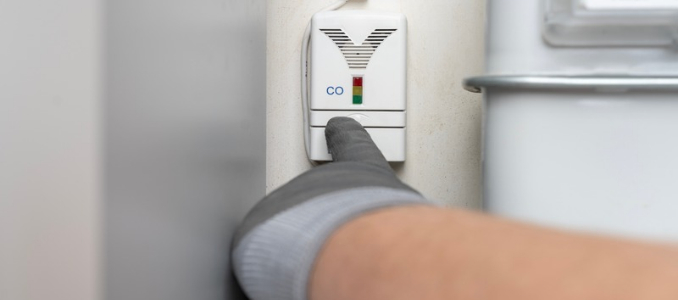
The agency urges employers to take precautions when using fuel-burning equipment as colder weather increases the potential for workplace carbon monoxide exposure.