Advanced Search
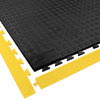
A modular ergonomic mat, with a comfortable and crush-resistant urethane compound, Rejuvenator Connect offers a high level of performance. It also has a 10-year resilience warranty.
Hot workplaces can wear workers down, but a few simple steps can help managers spot and reduce the problem. Read Now
VPPPA Executive Director Chris Williams reflects on the 2026 Safety+ Symposium and discusses the association’s priorities for VPP and workplace safety in 2027. Read Now
Five questions help employers assess confined-space rescue methods, equipment, response capability and crew readiness before entry. Read Now
Effective safety checklists focus on observable hazards, clear responsibilities and actions workers can take when something goes wrong. Read Now
Practical steps construction leaders can take to strengthen mental health and substance use support for every worker on site. Read Now
Organizations can reduce safety risk by ensuring workers can access trusted operational knowledge when and where they need it. Read Now
Electrical and mechanical spaces on rapidly expanding data center projects can present access, ventilation and rescue challenges that require careful hazard evaluation.
The Urban Fire Forum addressed firefighter fitness, PFAS research, drone use and the challenges of managing emergency services.
Researchers developed a system that combines helmet detection with head-location technology to determine whether workers are actually wearing protective headgear.
As warehouses and distribution networks adopt more automation, safety teams are beginning to rethink how they identify risks created by the movement of workers, vehicles and machines.
Researchers will develop a sensor-equipped workstation that identifies ergonomic risks and tests when computer workers should receive support.
More AI Coverage
All Handbooks
All Webinars
All White Papers