Federal law requires that any facility with more than 1,320 gallons of aboveground oil storage capacity and meeting certain other criteria must develop and implement SPCC plans to prevent and contain spills. EPA says it will continue to pay unannounced visits to such facilities throughout the region.
The complaint alleges, among other things, that untreated sewage has flowed into residential yards, basements, streams, and the Tug Fork River.
The fourth annual event will offer sessions on occupational safety and health management, OSHA compliance, risk reduction, crisis communication, environmental safety, hazards associated with stress-induced sleep deprivation and fatigue on the job, and more.
According to EPA, in 2008, approximately 2,400 companies in the state filed their 2007 biennial hazardous waste reports. These seven did not. The deadline for filing the 2009 report is March 1, 2010.

Construction and general industry vehicles with an "obstructed view to the rear" must have a working and audible backup alarm, or a ground guide must indicate it is safe to back up.
NIOSH on Aug. 21 said more inert material should be spread in the intake airways of underground bituminous coal mines because coal dust found in those mines today is much finer, and thus more explosive, than in mines of the 1920s.

Health care providers, health plans, and others covered by the Health Insurance Portability and Accountability Act soon must notify individuals whose health information was breached, under today's HHS rule.
Based on the manufacturer's fuel system review, the AD would affect 111 aircraft in U.S. service at a total cost of $2,251,635 to $2,721,831, FAA said.
Wednesday's notice opened a new comment period until Sept. 18 and noted EPA received 32,975 comment letters after announcing Oct. 10, 2008, a preliminary determination that perchlorate did not meet the second and third criteria for regulation. But 32,632 of those were mass-mailed opposing letters.
The Consumer Product Safety Commission recently announced that TGH International Trading Inc. (TGH), of Los Angeles has agreed to pay a $31,500 civil penalty to settle allegations that the company knowingly imported and sold toys that did not meet the requirements of the Federal Hazardous Substances Act.
The Department of Labor has sued defunct Vinyl-Mark Products Inc. of Hueytown, Ala., and the company's pension and profit sharing plan trustees for allegedly misusing $898,259.69 in plan assets to pay the operating expenses of the company.
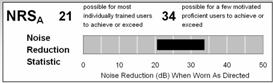
Comment are now due by Nov. 4 on EPA's proposed rule, which would change the familiar NRR labels on hearing protection devices. The rule takes new technologies and Internet sales of HPDs into account.
On Aug. 14, 2009, new requirements of the Consumer Product Safety Improvement Act will take effect that are aimed at making children's products safer and increasing consumer confidence in the marketplace.
The Food and Drug Administration has published two rules that seek to clarify the methods available to seriously ill patients interested in gaining access to investigational drugs and biologics when they are not eligible to participate in a clinical trial and don't have other satisfactory treatment options.
Every safety regulatory official, especially those at OSHA and MSHA, should read the speech given to FAA officials this week by Commissioner Dale E. Klein of the Nuclear Regulatory Commission. They'll learn what Three Mile Island meant to NRC and the nuclear power industry and why a self-regulating organization set up by those utilities has worked so well.
A revision to OSHA's Acetylene Standard replaces references to outdated consensus standards with updated references reflecting current industry practices in the acetylene industry.
The Sept. 30 webcast will allow participants to interact with Terry Krug, vice chairman of the Z117 Accredited Standards Committee, and to look at the changes to the standard that will impact employers and operations.
The Food and Drug Administration recently announced it has stepped up its efforts to prevent non-compliant investigators and others from participating in new product development. FDA's procedures for debarment and disqualification have been enhanced to better protect participants in clinical studies and for ensuring the safety and effectiveness of the medical products marketed to the American public.
The Consumer Product Safety Commission (CPSC) has announced its Top Ten list of recalled children's products as part of the agency's "Resale Round-up" campaign. CPSC's goal is to protect consumers by getting dangerous recalled products out of resale stores and off the Internet. Re-selling recalled products is a violation of federal law.
The Oct. 7 public meeting will explore how hospitals, universities, and others who use radioactive materials in conducting research are affected by having limited access to low-level waste disposal facilities.