
Episode 28
Editor Sydny Shepard discusses some top headlines in the safety industry, including a new partnership with ASSP and the Agriculture Safety and Health Council of America, the World Health Organization’s call for health care worker safety and millions of dollars in grants awarded to nonprofit organizations by OSHA.
Fortune Food Product, Inc., a sprouts and soy product processor, committed several food safety violations.

The meatpacking company experienced a coronavirus outbreak among employees, resulting in a penalty from OSHA.

California's Occupational Safety and Health Agency has issued citations to multiple employers for COVID-19 violations.
Tyson Foods to pilot seven new health clinics near company production facilities in an effort to promote a culture of health.
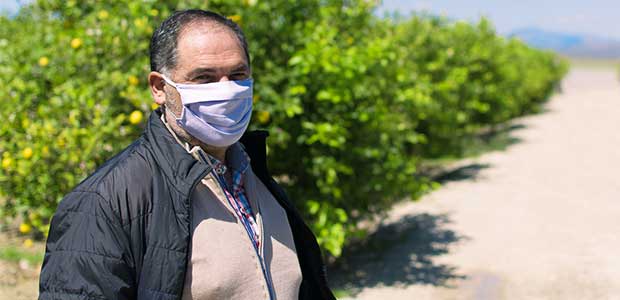
Agriculture farms continue to operate to grow crops and feed the country, but with minimal federal protections against the coronavirus, many farmers are worried about contracting the virus on the job.

Episode 19
OH&S Editor Sydny Shepard discusses analyzing, studying and controlling hazardous dusts with Camfil APC's Jon Ladwig.
The CDC, OSHA and FDA recently published an advisory for seafood processing workers and COVD-19 protections.
A recent NPR article explains how the meatpacking industry is not the only food industry facing COVID outbreaks. The seafood industry in the Pacific Northwest in particular had 92 of its employees on one ship fall ill.
OSHA and the CDC have teamed together to provide Americans with an interim guidance for workers and employers in the meat packaging and meat processing industry—especially given recent sick workers.
Home Style Foods, Inc. has agreed to discontinue selling food products until the company complies with federal regulations and other standards.
A new rule proposed by the USDA to increase line speeds and reduce government inspections at U.S. hog slaughterhouses will likely cause increased workplace injuries and higher risk of foodborne illness.

"Every country around the world, from small to big, from rich to poor, has suffered from foodborne illnesses, and Europe is no exception. The scale of the challenge posed by foodborne disease is striking, indicating the importance of preventing and mitigating risks to food safety," said Dr. Zsuzsanna Jakab, WHO's regional director for Europe.
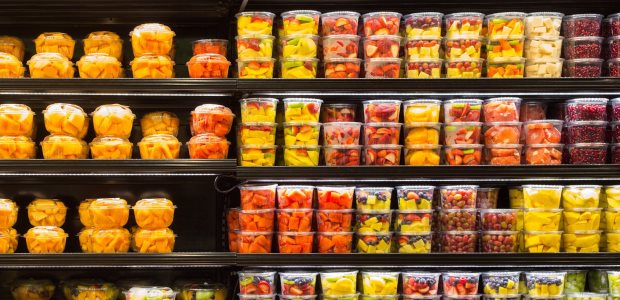
FDA said the guidance builds on 18 months of improvements to its recall processes that have resulted in more timely information being available to consumers. Examples include alerts, advisories, or consumer warnings related to products such as pre-cut melon associated with an outbreak of Salmonella infections and recalled vegetables, drugs, homeopathic products, and test strips for home-use monitoring of Warfarin.
Cases have been identified in Ohio, Kentucky, Virginia, Tennessee, and Georgia as of April 4. The investigation includes infections recently reported by the Kentucky Department of Public Health, which announced March 29 that 20 Kentuckians had tested positive with a strain of E. coli O103.
Naturally occurring ciguatoxins are responsible for ciguatera poisoning, responsible for tens of thousands of seafood poisoning cases every year. The new lab will provide analytical services to other countries in the region, as well.
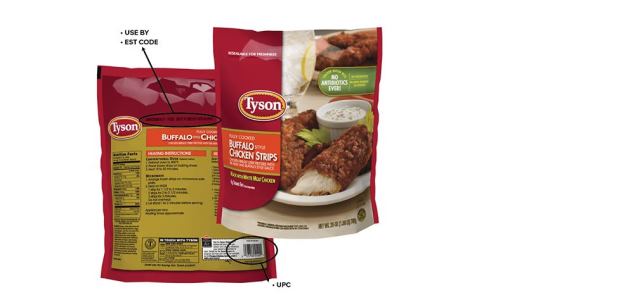
The company announced March 21 that approximately 69,093 pounds of frozen, read-to-eat chicken strips from a single plant are being recalled after two consumers reported they found metal fragments in the products.
Food that is contaminated with bacteria, viruses, parasites, toxins, or chemicals causes sickens more than 600 million people each year and kills 420,000 worldwide every year, according to WHO.
An independent audit paid for by Smoked Alaska Seafoods, Inc. determined the recalled lot of Smoked Silver Salmon did not receive the prescribed thermal process and was therefore under-processed.

"A seamless food safety regulatory system that involves many regulatory layers on the federal, state and local levels is key to preventing foodborne illness and protecting public health," McDowell said. "We hope our federal partners are back to business as usual soon, which will bring all food safety efforts up to full capacity."