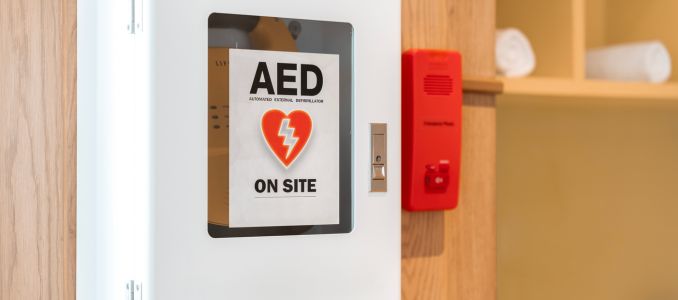
Many workplaces track CPR/AED training completion, but real survival depends on response speed, confidence, and culture. Here’s how safety leaders can close the readiness gap before a cardiac arrest happens.
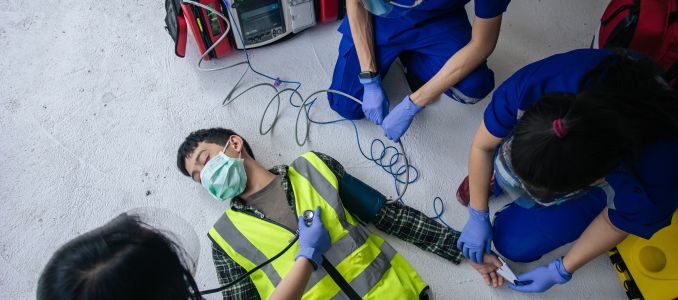
Fast action saves lives: equipping workplaces with AEDs and CPR training dramatically improves survival chances during sudden cardiac arrest.

How Florida-based Westgate Resorts focuses on AED training to ensure all staff are prepared when an incident occurs.

Making CPR training a workplace priority saves lives, empowers employees and strengthens workplace safety culture.

Sudden cardiac arrest can strike anyone, anywhere. Here’s what your organization needs to know about AEDs and how fast action can save lives.

Making CPR training a workplace priority saves lives, empowers employees and strengthens workplace safety culture.
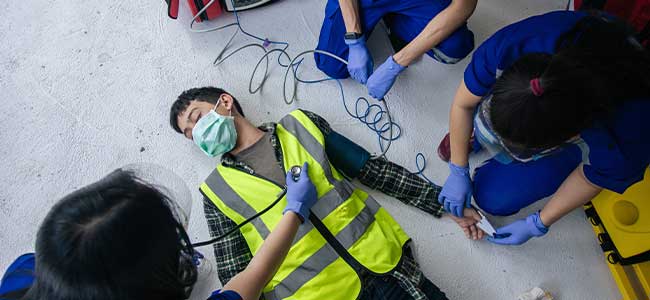
Implementing and maintaining robust CPR and defibrillation programs in the workplace are critical to enhancing emergency preparedness and saving lives.
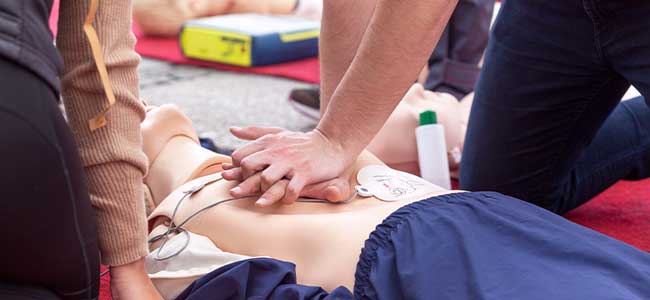
CPR and defibrillation significantly improve survival rates during sudden cardiac arrest, and their integration into workplace safety protocols is crucial.
This year, ensure you keep AEDs at the work site and train the team in their use.
Employers can build a safer workplace through CPR, AED and first aid education.
Episode 161
An AED can't save a life, if it cannot be found. In this podcast, listen to tips for an effective AED program.
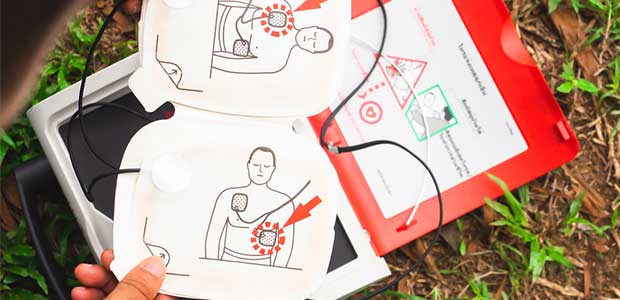
Training is key to managing a cardiac event at work.

OSHA’s standards outline a few specific industries where CPR training is required.

Safety professionals face more challenges than ever in keeping training on target during these challenging times.
Episode 113
What does OSHA say about first-aid requirements at a worksite? Find out in our latest episode of the podcast where Editor Sydny Shepard dives into 1910.151 and the letters of interpretation for the standard.

The chances of survival increase dramatically when a workplace is trained in both CPR and the use of an AED.

As workers trickle back into the workplace, it is important to revise daily, weekly, monthly and annual procedures to mitigate the risk of the coronavirus, including AED/CPR training.
Staying healthy amid the many different nuances the pandemic has brought to fruition can be especially tricky for those who live with heart conditions. Fortunately, heart health can be managed successfully at home .
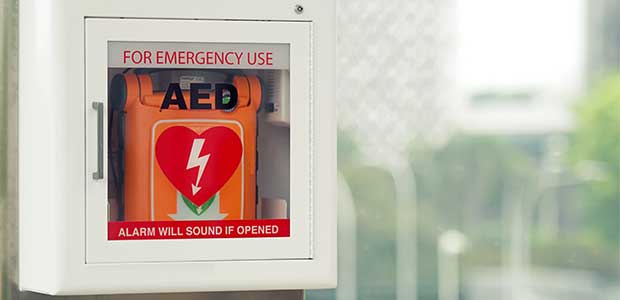
None of us expect the unexpected. With 10,000 cardiac arrests in the workplace every year, you should understand the benefits of CPR training.
Relatively few people get formal training, while the public generally perceives that only formally trained people can do CPR.