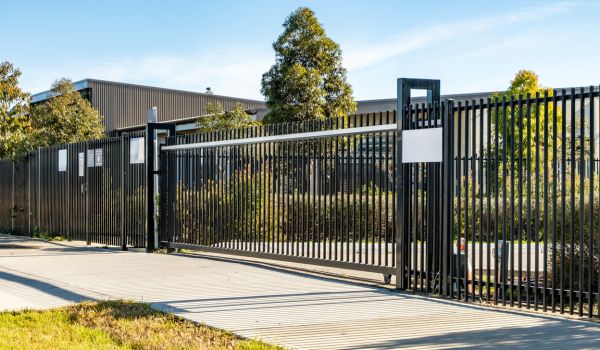
Campus safety cannot wait as higher education shifts from reactive emergency response to continuous, intelligence-driven preparedness.

Stop blaming individual shortcuts; repeated safety violations reveal poorly cultivated organizational systems, inadequate job designs and silent tolerances.
A look at recent workplace developments, including Industrial Scientific’s data platform, Donaldson’s mist collector, executive changes at T&M Associates, security barriers from Hope's Windows and Volkmann's material handling system.

Asbestos and NORM exposures remain a persistent risk in maintenance and aging infrastructure. Proper hazard identification and advanced PPE strategies are critical to protecting workers in complex, multi-hazard environments.

How workforce wellness, PPE fit and fatigue reduction are transforming safety programs from reactive protection into proactive performance strategies.
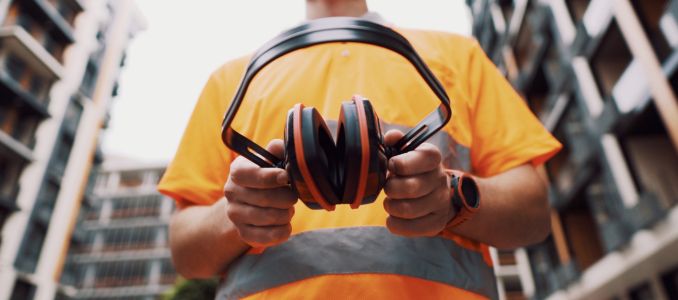
Beyond permanent hearing loss, constant background industrial sounds cause dangerous mental fatigue, alarm desensitization and critical communication failures.
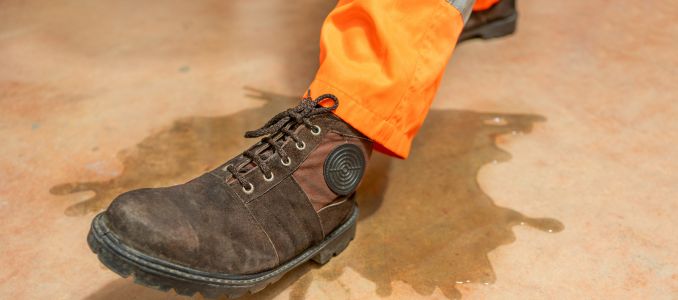
Minimizing close calls leaves companies vulnerable to OSHA violations, but shifting to digital safety check-ins captures hazards before injuries happen.
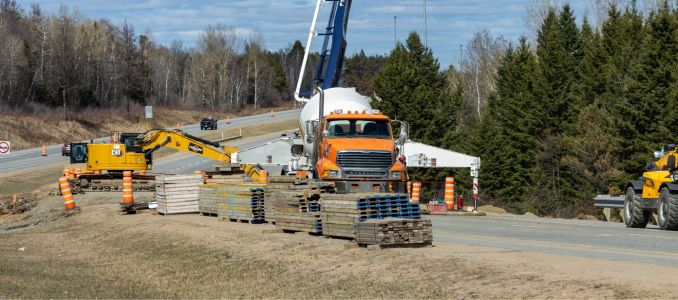
Active work zones remain highly dangerous as safety teams deploy drone imagery, digital navigation alerts and wearable PPE strobes to protect crews.
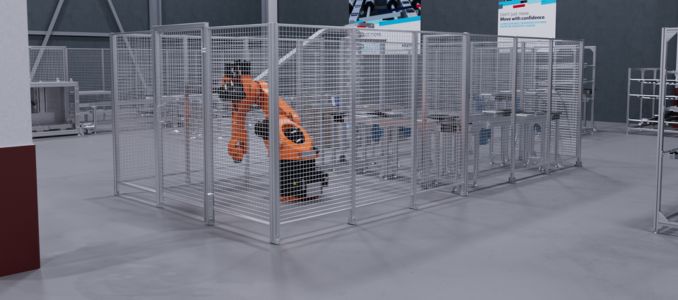
Aluminum framing adapts to the automation era as factory operators use layout software to protect human workers and flexible robotic cells.
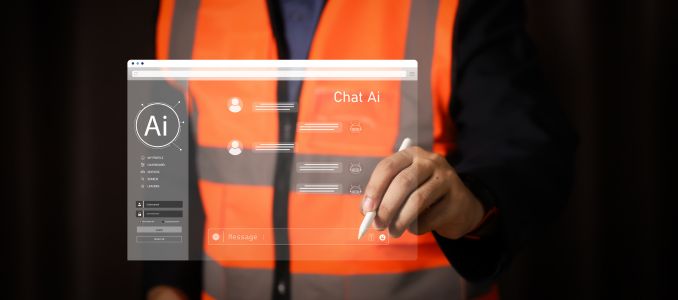
Beyond physical hazards, occupational health and safety must now address "cognitive surrender"—the hidden erosion of human judgment in the age of AI.
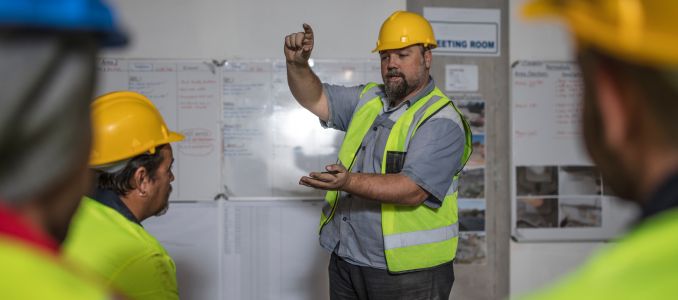
Explore why workplace safety perception often masks hidden risks and how organizations can bridge the knowledge gap before a system failure occurs.
CSA Group Fire Test Specialist Josh Dinaburg discusses lithium-ion battery fire risks, thermal runaway, evolving safety standards, and what workplace safety professionals need to know as battery storage systems become more common.

Stop treating safety as a lecture. Learn why conditioning new hires like elite athletes reduces injuries, cuts costs and boosts retention.

AI agents are now merging wearable sensor data with historical incident logs to automate root-cause analysis and transform reactive safety into proactive prevention.
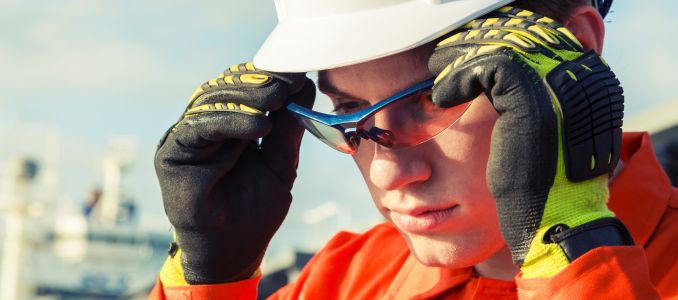
Traditional systems for ordering and tracking prescription safety glasses were designed for single sites and stable workforces. Modern organizations are shifting to centralized, lifecycle-based programs to maintain compliance and protect workers across multiple locations.
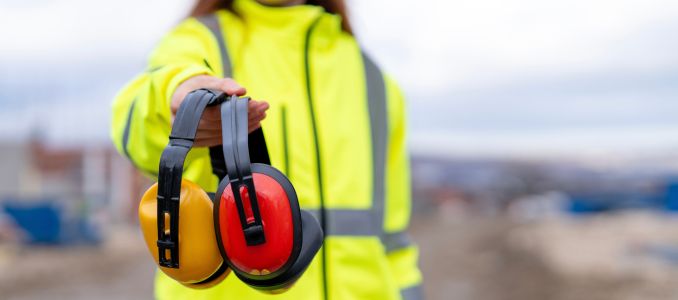
Advances in smart monitoring, wearable sensors and adaptive hearing protection are helping employers better measure noise exposure and strengthen workplace hearing conservation programs.
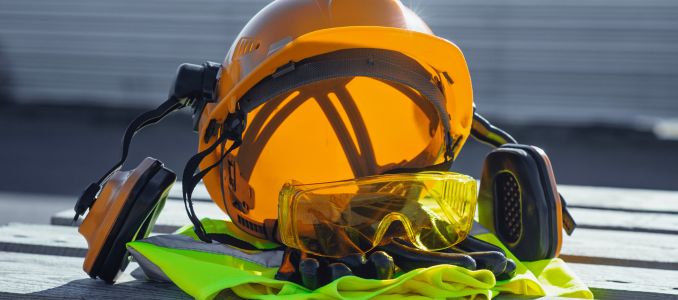
Many hearing conservation programs check the compliance box but still fall short in practice. An expert explains why.