
The world today seems far from "normal." However, managers and employers need to understand how to implement the "new normal" for their workers through leadership, communication and input.
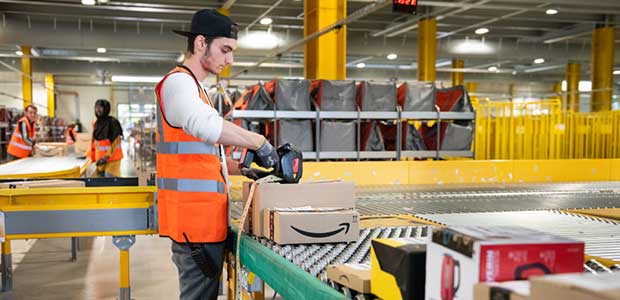
A dispute has erupted over Amazon’s withholding of government-mandated logs of injuries and illnesses at its warehouses. A federal judge calls it disturbing, but Amazon says it’s commercially sensitive.

Episode 18
Stephen Morrill from Westex at Milliken stops by the podcast to talk with OH&S Editor Sydny Shepard about safety professionals' most pressing FR/AR PPE questions where hygiene and safety is concerned.

Worker engagement seems like a no-brainer, and ideally, it is. But worker engagement is hard to achieve, and you might be looking at it wrong.

American Society of Safety Professionals has officially kicked off its fully virtual event bringing safety education, virtual exhibitor booths and digital networking opportunities to online attendees in just a few clicks.

Summer heat will affect everyone, but it will be particularly hard on those working in agriculture, spending long hours outside in the blistering temperatures.

On-site clinics are increasingly popular in workplaces, and for good reason. Not only do employees need to monitor their physical and ergonomic health, employers save money by protecting their workers.

Wireless gas detectors are changing the way we work in confined spaces.

The future of workplace safety post-pandemic will include new technologies, including contact tracing and PPE wearables.

Some contractors are finding a productivity boost from another type of equipment: Hydrodemolition robots.

Safety is as critical an element as production to an organization, but why doesn’t the message always resonate up to the top of every organization? Here are some checks and balances you can utilize to better prioritize safety.

Episode 17
OH&S Editor Sydny Shepard and Content Editor Amanda Smiley break down some of the go-to sessions of ASSP Safety 2020 Virtual as well as some tips for getting the most out of your virtual conference experience.

After dentist offices were forced to close for nearly two months, they are finally able to reopen—but many are taking new and extensive precautions to protect against COVID-19 including better air filtration and more PPE.

Episode 16
Due to COVID-19 restrictions on large gatherings, ASSP's Safety 2020 show has gone virtual! Listen in as Editor Sydny Shepard discusses the benefits of a virtual event with ASSP President Diana Stegall.
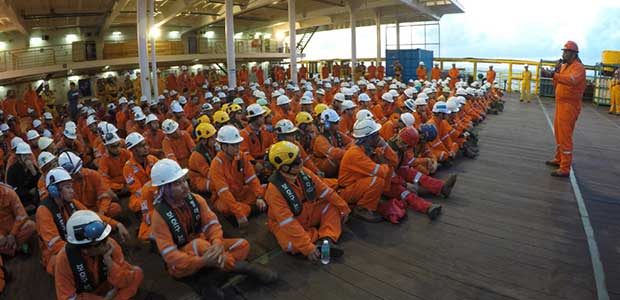
Challenges like inconsistency and meaningless data hold many companies back. But is it actually worth it to use leading indicators? The answer is a resounding 'yes.'
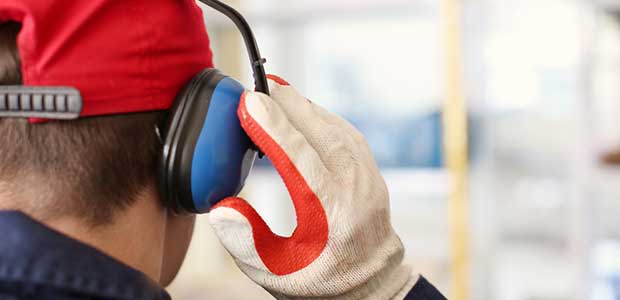
Over the last few months, Examinetics has collected information from audiologists on hearing conservation programs and hearing health in general. Read the Q&A here!

Workplaces across the nation begin to reopen, but not all are operating with the same methods, or cautions. Here’s an outline of what each state is doing, according to a June 4 NPR article.