Protective gear must be chosen by understanding and complying with the information contained in ANSI/ISEA Z87.1.

A worker’s PPE must account for any season—and the environmental elements that go with that season. Here is your guide to picking FR Garments for everyday and specific tasks.
Wireless gas detectors are changing the way we work in confined spaces.
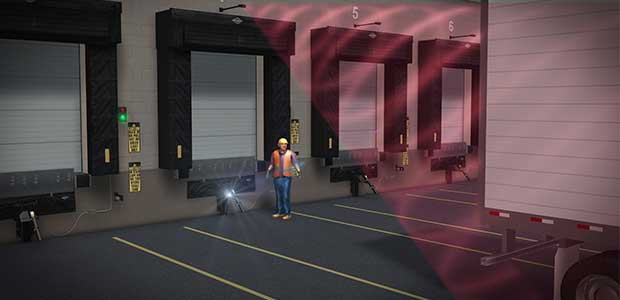
For most companies—particularly those involved in materials handling—concerns about safety regulations go well beyond mere avoidance of government fines or censure.

One question often asked by end-users is: what performance level is appropriate for dorsal impact glove application needs?
Here are a few guidelines for staying in compliance with eyewashes, eye/face wash combos and drench showers.
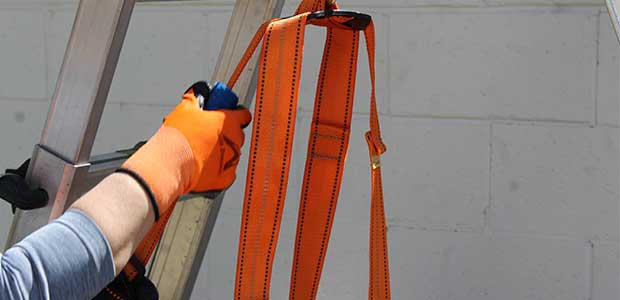
By now we all know to wash our hands, but what should be done with shared PPE, such as full body harnesses and fall protection lanyards?
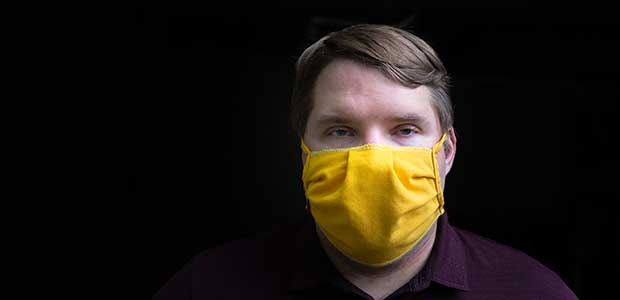
How do face coverings help in the workplace? How should an employer approach mask selection when additional workplace hazards are identified?
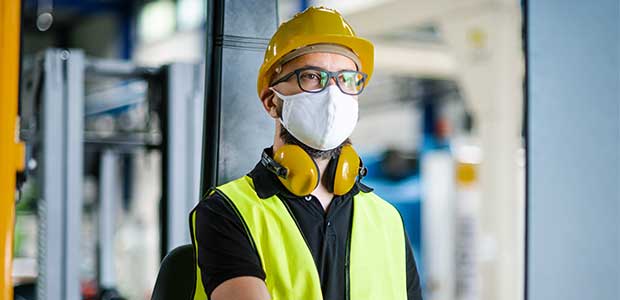
As workplaces begin to reopen, safety managers are working to ensure their employees have the proper face masks or respirators and know how to use them correctly.

Working in confined spaces can be extremely dangerous. The good news is: many accidents and injuries can be avoided.
More businesses are focused on providing environmentally friendly products, and consumers are educating themselves about the companies they support.
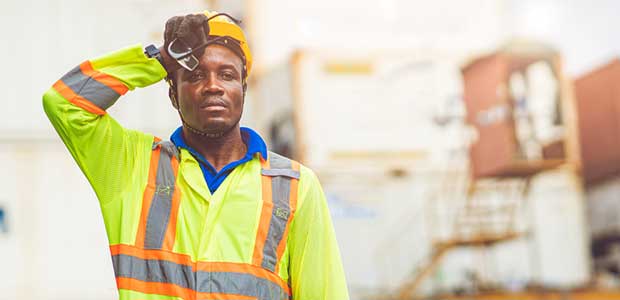
Today, July 31, 2020, is National Heatstroke Prevention Day. Many people and children die each year in hot cars—here are some ways you can prevent an accident in the heat.
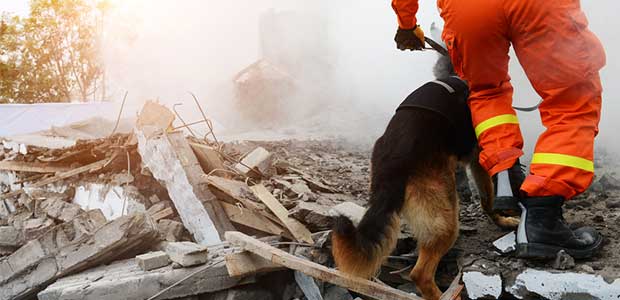
The National Resource Defense Council (NRDC) just released a report that argues how climate disruption is a growing danger to the health of indoor and outdoor workers. Read what the NRDC and researchers have to say.

Of course, the coronavirus pandemic has required employers everywhere to rethink the safety of their employees on a number of levels. However, many do not realize that mental health is a big part of worker health and safety.
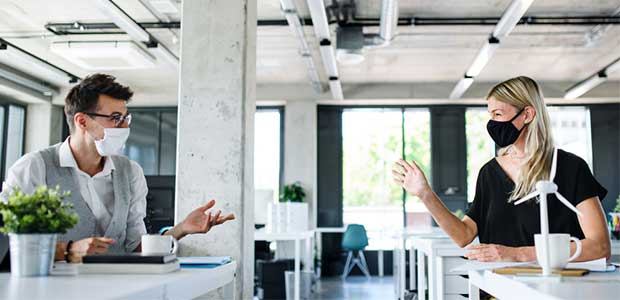
A recent article from the Los Angeles Times uses California workplaces and regulations to answer the question of ‘what makes a workplace safe?’ The answer involves a comprehensive, holistic approach to a healthy, safe workforce.

Episode 19
OH&S Editor Sydny Shepard discusses analyzing, studying and controlling hazardous dusts with Camfil APC's Jon Ladwig.

New York University’s School of Global Health to study the physical and mental health impact of COVID-19 on transit workers.