-

A shrinking pool of skilled technicians is leading to deferred maintenance, less supervised repairs and weaker lockout/tagout and recordkeeping practices, raising both injury and compliance risks.
Read Now
-

A new director of marketing joins the Compliance Products business, and a longtime company leader accepts the director of product management role.
Read Now
-

Safeguards built into the tablet audiometer pause a test when background noise climbs too high, and a new dashboard flags workers with overdue tests or pending retests.
Read Now
-

Digital two-way radios leverage customizable emergency alerts, remote monitoring and automated safety features to protect lone workers and maintain operational continuity.
Read Now
-
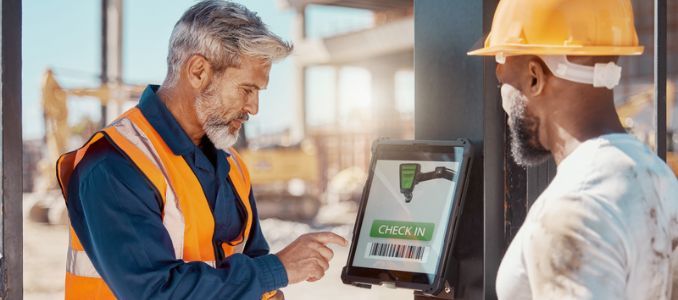
Novara's new Visitor Management module tracks who is on site through the workday and flags any check-in left open more than 12 hours.
Read Now
-
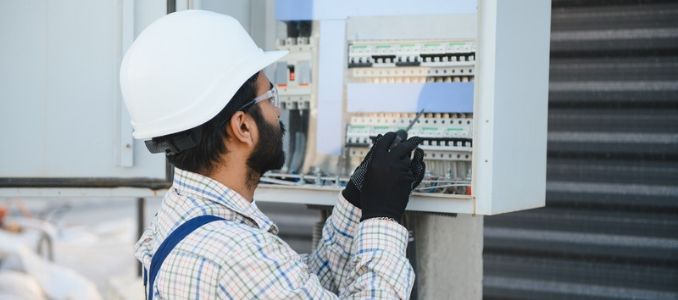
The amendments carry out a law that, since Jan. 1, has required installers on public works projects to be certified through a nationally recognized training program.
Read Now
-
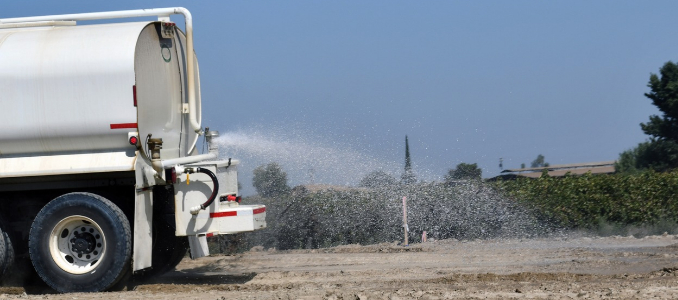
A truck most jobsites already have can wet down fire-prone ground and help control a blaze until firefighters arrive, with a few low-cost add-ons and some crew training.
Read Now
-

Proper placement, visibility during power outages and regular testing can help ensure exit signs support safe workplace evacuations.
Read Now
-

Entries are due Feb. 12, 2027, and the top three in each category win $300 to $500, with matching awards for first-place winners' schools.
Read Now
-
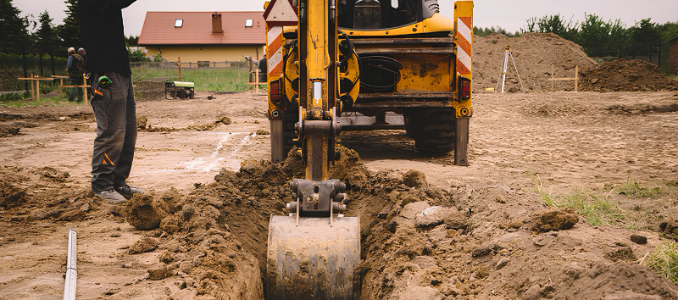
The CGA is reaching out to Spanish-speaking construction, landscaping and fence-building workers.
Read Now
-
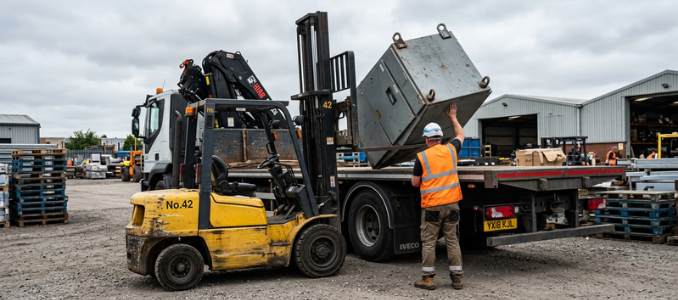
Investigators found no risk assessment, lift plan or worker instructions for a regular loading task, and safer ways to secure or lift the load went unused.
Read Now
-

Most EHS departments already use AI, but few have scaled it. Keeping contractor data current, worker-level and standardized gives AI a reliable base for spotting serious risks earlier.
Read Now
-

The company also joined the UN Global Compact and published its first sustainability report, with a second planned for spring 2027.
Read Now
-

The guide covers when facilities must establish fire watch coverage, along with pre-shift hazard checks, logging and emergency response.
Read Now
-

Board letters have gone unanswered, including one sent after Yenkin-Majestic pleaded guilty to a federal criminal charge tied to the incident.
Read Now
-

More than $10.5 million will fund required instruction for new and experienced miners, with programs tailored to local hazards.
Read Now
-

New national incident data could help responders prepare for OSHA’s proposed Emergency Response Standard.
Read Now
-

About half of all fatal work zone crashes in 2023 happened at night, according to the Federal Highway Administration (FHWA), as more road work moves to nighttime hours.
Read Now