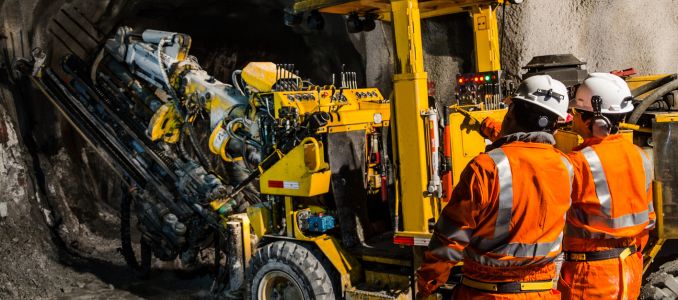
Federal safety officials release best practices after two fatal incidents involving heavy equipment loading and underground roof falls.
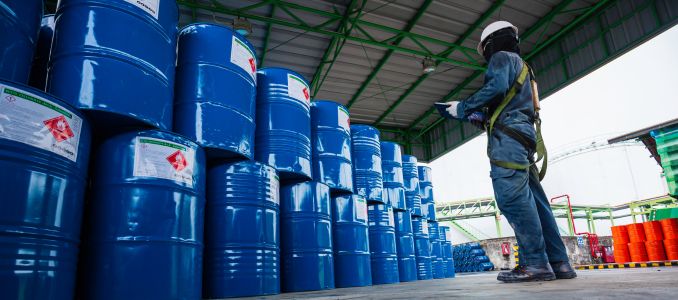
Industry groups ask the EPA and OSHA to align workplace chemical rules and eliminate duplicative standards.
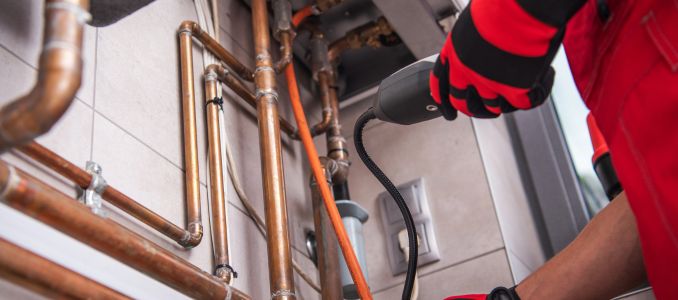
Sensor drift, chemical poisoning, and ambient changes degrade gas detectors over time, making routine bump testing and certified span calibration non-negotiable for atmospheric protection.
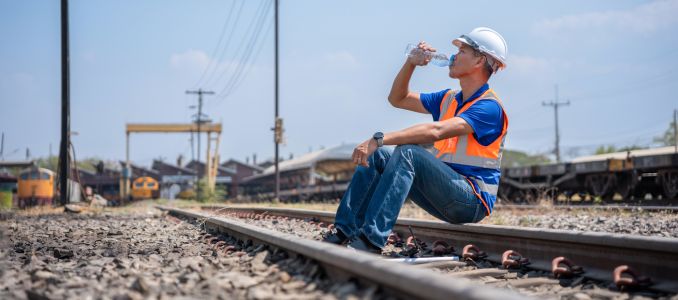
State safety officials urge employers to implement required water, shade and air monitoring measures as extreme conditions return.
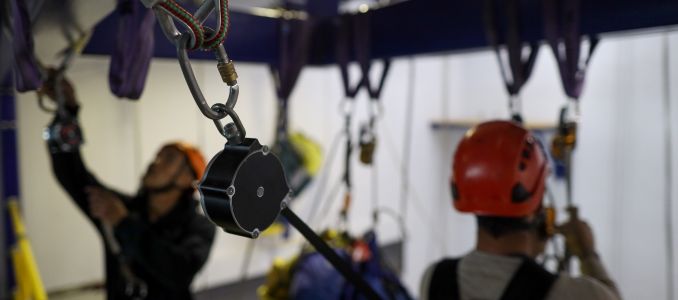
Personal protective equipment alone does not prevent height-related fatalities; combining standard hardware fundamentals with proactive behavioral planning creates a resilient site safety culture.
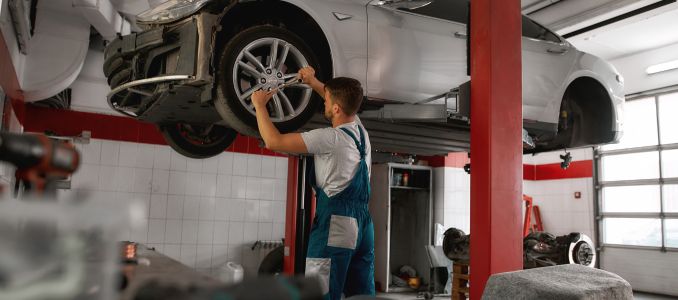
The automotive service provider will pay penalties and launch an anonymous employee hotline following a federal investigation.
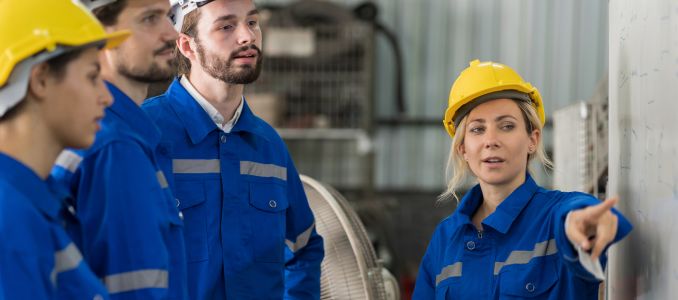
Collaborative workshops at WorkSource Oregon centers will cover critical construction hazards, heat illness and worker rights.

Preserving evidence, separating witness interviews, and auditing immediate vs. root causes within the initial day of an accident transforms a workplace tragedy into a structured prevention protocol.

Treating extreme heat and severe storms as continuous business risks rather than seasonal disruptions allows EHS teams to automate work-rest cycles, protect workers, and safeguard down-market logistics.

Treating safety as an operational operating system rather than a compliance checklist prevents dangerous field complacency during periods of fluctuating federal oversight.
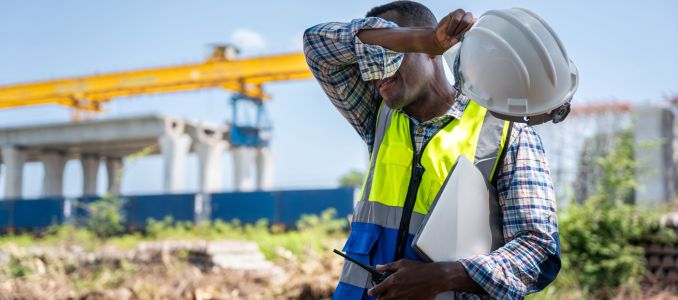
Workplace safety regulators urge companies to provide water and rest breaks as temperatures climb toward 100 degrees.

The nationwide commercial builder will use Highwire's centralized software platform to track subcontractor safety, capacity and financial health.
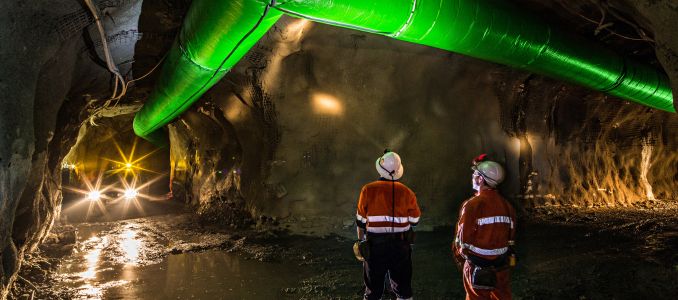
The funding honors 25 fallen miners by backing emergency response education programs across the nation.

The veteran safety executive will lead the organization for a one-year term with a major focus on workforce development.

New MIOSHA standard adds stricter inspection and worker training mandates with enforcement delayed until September.
Avetta's Scott DeBow discusses why safety leaders are moving beyond compliance, adopting systems-based safety management, and prioritizing serious injury and fatality prevention across today's increasingly complex contractor workforce.
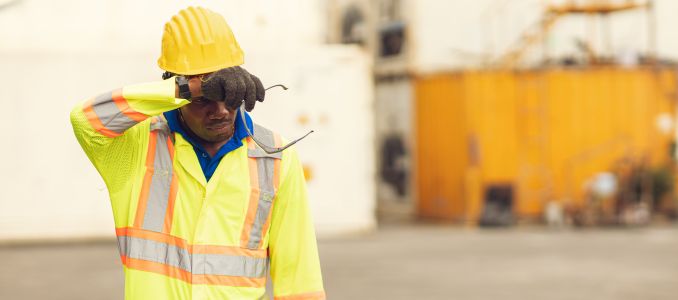
As summer temperatures rise, KYSAFE reminds commonwealth employers of their legal obligation to prevent heat-related workplace illnesses.
Legislation modernizes the retaliatory employment discrimination complaint process to improve transparency and efficiency.

Musculoskeletal disorders develop quietly through repetitive daily tasks, requiring operations managers to monitor subtle worker workarounds rather than sudden acute events.

The state's agency and industry representatives will collaborate on efforts to improve construction workplace safety.