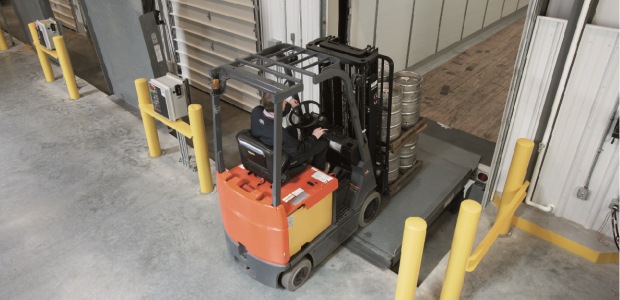
Planned maintenance can boost safety, increase efficiency, and lower long-term costs.
Last year, Entergy Nuclear Operations Inc., the state of New York, and the environmental group Riverkeeper announced an agreement that called for Entergy to permanently close the plants no later than 2024 and 2025.
"All of us at the CSB are saddened by the recent death of Dr. M. Sam Mannan, Regents Professor of Chemical Engineering at Texas A&M University, and the founding director of the Mary Kay O'Connor Process Safety Center. On behalf of the entire agency, I offer our deepest condolences to his family and our colleagues at the center," Kulinowski said in her statement. "Dr. Mannan presided over this large enterprise for two decades with intelligence, good humor, and a steadfast commitment to protecting workers, the public, and businesses from costly disasters.
As a VPP Star recipient, BP Exploration Alaska's Central Power Station won't be subject to random enforcement inspections for a period of five years.
I may have discarded a truckload of such materials this time. But I'm saving some things, of course, reference materials I can't stand to lose and extra copies of our best past issues, in my estimation.

Sign labels that can be printed with laser or ink jet printers in minutes and removed cleanly from most surfaces serve to notify, instruct, and even protect personnel in just about every area in a facility
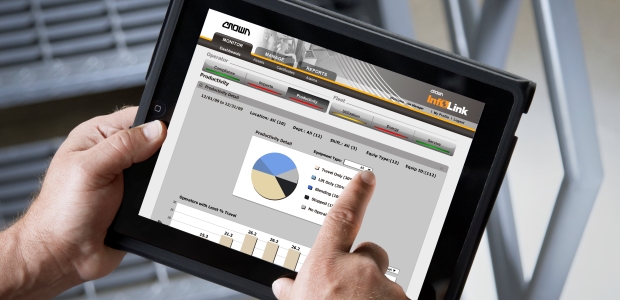
It's not just about the quality of the training, but also the accessibility of the training.
Applications from those seeking to be considered for 2019 Energy Code Advisory Committee membership must submit a completed application no later than June 21. Residential applications are especially needed, according to the department's posted announcement.

Two forces are at work shaping the future of workplace safety: millennials and connectivity. This article looks at developments igniting this twin dynamic.
The residual heat removal system was inoperable for a time on both units of the TVA nuclear plant on some days in April.
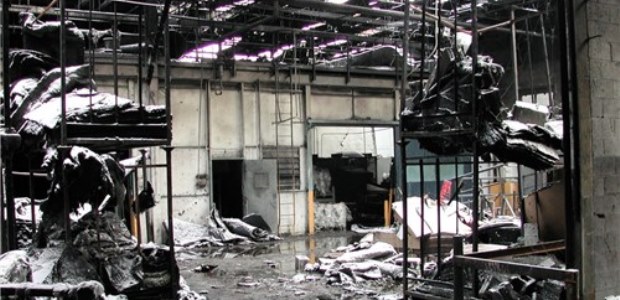
The bottom line is this: If your facility contains dust, you should have it tested for combustibility.
Alaska Gov. Bill Walker issued a pair of proclamations on April 24 that declare May as both Building Safety Month and Water Safety Month in the state.
A consent decree was filed in federal district court in the Northern District of Indiana that requires U.S. Steel to pay more than $600,000 as a civil penalty and to reimburse EPA and the National Park Service for response costs incurred after an April 2017 spill of wastewater containing hexavalent chromium that entered a waterway flowing into Lake Michigan.
The board also will consider and possibly vote on a proposed change to Board Order 022, the CSB Recommendations Program, which is how the independent agency hopes to prevent serious accidents. Recommendations are included in CSB final reports.

In the next five years, we'll see sustainability in commercial projects moving from a luxury to a requirement. Examining your product and its performance now will put you ahead of the curve.
Anne Armstrong Cusack, Michigan Agency for Energy acting executive director, says the contest "is a chance to celebrate leaders in innovation all over the state. Past winners have cut energy usage without sacrificing productivity or comfort. They have seen firsthand that the cheapest, most reliable, and greenest energy is the energy you don't need."
Kinross is the eighth National Mining Association member company to complete each step of the process.
Each year, the department presents awards to domestic wastewater and drinking water facilities around the state that demonstrate excellence in operation, maintenance, innovative treatment, waste reduction, pollution prevention, recycling, or other achievements.
"We are pleased to partner with the worldwide leader in electronic testing and imaging tools to offer our customers new products that improve safety and efficiency in the workplace," said Jason Wright, rental sales manager.

Safety managers are making an impact. While accident rates have fallen from a rate of 4,000 per 100,000 workers in 2000 to half that figure in 2015, these rates are still too high and the damages associated with them are still too extreme.