
The awards will be presented March 2, 2027, at the Oregon Convention Center in Portland.

The public can attend in Albany or New York City or watch the meeting via livestream.

The agency urges employers to take precautions when using fuel-burning equipment as colder weather increases the potential for workplace carbon monoxide exposure.

Fire departments will hand out brochures, posters, magnets and activities at schools, open houses and community events.

Effective safety checklists focus on observable hazards, clear responsibilities and actions workers can take when something goes wrong.

Tuition covers e-textbooks, and participants may apply for a scholarship awarded six times a year.

Organizations can reduce safety risk by ensuring workers can access trusted operational knowledge when and where they need it.

Union locals and individual donors contributed more than $3,000 to Second Helpings during the division’s fall meeting.
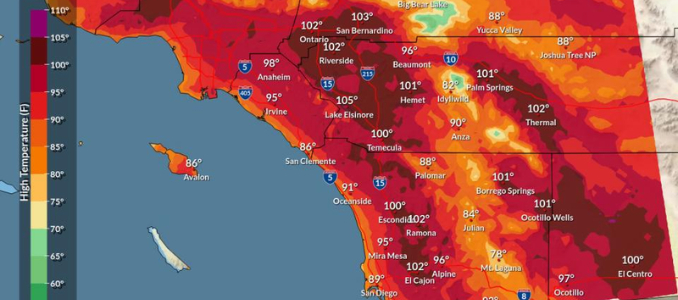
Indoor protections apply at 82 degrees, while outdoor shade must be in place when temperatures exceed 80 degrees.
Training and resources will focus on helping employers recognize hazards that could cause serious injuries or fatalities.

Susan Harwood grants will support 67 organizations providing hazard-recognition and prevention training nationwide.

The national partnership will develop training and resources to help employers identify hazards that could cause severe injuries or deaths.

The WORK to Save Lives Act would direct OSHA to issue employer guidance and set overdose-response requirements for federal agencies.

The new chapter will support regional coordination on electrical code enforcement, education and training.

The 50-page resource uses workplace stories and practical tips to help employees apply ergonomics without technical jargon.

A $95,000 OSHA grant will fund a curriculum on recognizing and responding to heat illness in communications infrastructure work.

Guides, online training and multilingual materials explain workplace hazards, worker rights and how to report concerns.

The new concentrations and certificates address stress, resilience and organizational support in high-risk public safety professions.
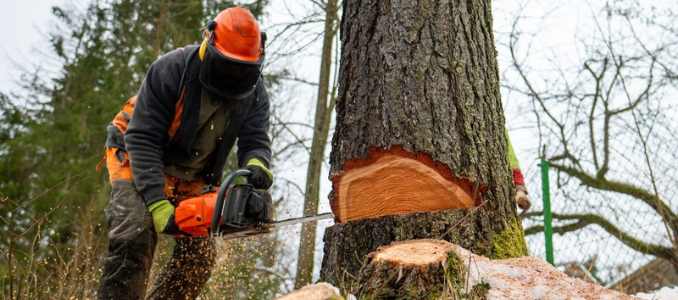
Employers are urged to assess danger trees, develop felling plans and keep workers at least two tree lengths apart.