
Previous research showed that even when miners were exposed to fewer harmful diesel particles, they still developed lung issues.

NIOSH staff evaluated the effects of secondhand cannabis smoke in police officers who were on patrol as security for campus concert events at a university football stadium.
Employers must quickly adopt the new requirements in early August.

Today's welding helmets and PAPR advancements mean that the prospect for worker safety is brighter than ever.

Respirators, when used correctly, can be an effective layer of protection for many tasks in and around a chemical plant.

NIOSH has released a chemical management strategy that can quickly protect workers on the job.
The project will explore how different combinations of coal dust affect the development of black lung disease, which is causing an epidemic among coal miners across Appalachian states.
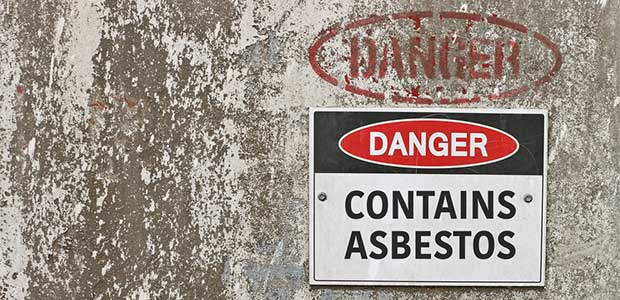
Over 125 million people are exposed to asbestos each year, and a large number of those incidents occur on the job.
"Our investigation revealed a long chain of failures which resulted in this fatal event, including deferring much-needed process improvements, improvements that could have prevented the toxic release," said CSB Interim Executive Dr. Kristen Kulinowski.
OSHA cited the farm for failing to develop procedures for notifying employees of emergencies and evacuation, and a written emergency response plan; and failing to provide safety and health training to employees operating ammonia refrigeration systems and ensure that employees required to respond to ammonia releases were provided a full-face respirator fit test.

One of the highlights is a June 12 panel discussion on how increased use and legalization of marijuana affect companies' efforts to maintain drug-free workplaces.

Virtually all portions and requirements of OSHA's Crystalline Silica Standards are now in effect and enforceable, so immediate compliance is imperative.
For the first time, U.S. physicians' rates of suffering needlesticks and sharps injuries exceeded nurses' rates during 2017, an International Safety Center presenter said during a "Biosafety Issues in IH" session at the AIHce EXP 2019 conference.
The British Safety Council’s recently released report, Impact of air pollution on the health of outdoor workers, makes an argument for recognizing air pollution as an occupational health hazard in Britain.
The partners will focus on falls, electrical safety, silica exposure, and safe practices for steel erectors and aerial boom lifts.
Inhalation injuries are the most common. When CDC examined emergency department visits due to pool chemical injuries during 2015- 2017, the top diagnosis was poisoning due to breathing in chemical fumes, vapors, or gases—as when opening chlorine containers, for example.
In a letter to EPA Administrator Andrew Wheeler, the safety board cited two of its recent investigations. CSB conducted public hearings in both at which members of the surrounding communities expressed concern about the adequacy of the risk management strategies for the use of HF and the effectiveness of community notification procedures in the event of a catastrophic release.

I cannot stress enough how important it is for all first responders to always wear respiratory protection on the fireground—even after the fire is out.

PAPRs are useful and often necessary in many types of hazardous jobs and conditions.
The International Safety Equipment Association is warning firefighters against use of "MAE-requalified" breathing cylinders, citing health and safety concerns.