A worker entered a drainage shaft last fall to clean out mud and debris. He stood inside a bucket attached to a mini crawler crane with no personal fall protection. After descending 10 feet into the shaft, the worker lost consciousness due to the oxygen-deficient atmosphere, fell approximately 40 feet, and drowned in a foot of water at the bottom.
The association's The Synergist magazine explores PPE practices for the young industry.
"It was clear there was an endemic failure to effectively manage the construction work on the site in a way which ensured that asbestos materials were not disturbed until removed under appropriate conditions," said HSE Inspector Melvyn Stancliffe. "Failing to prevent the breathing in of asbestos fibers on the site is reckless."
OSHA issued it Jan. 6, 2017, aiming to reduce an estimated 62,000 workers' exposure to beryllium -- exposures that can cause lung diseases -- and setting it to take effect in 60 days. But the effective date was delayed.
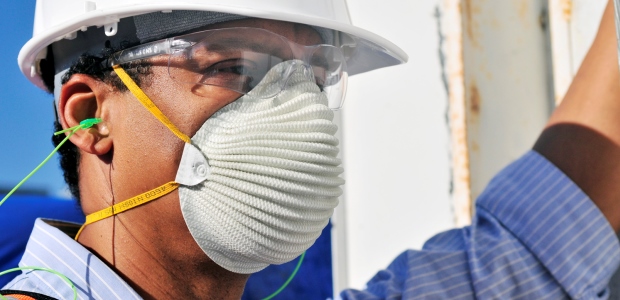
OSHA is considering some methods that will speed up the process of fit testing but still ensure that users are properly fitted with a particular respirator.
“Substantial new evidence” lead to the change.
The agency announced enforcement will now begin Sept. 23, 2017.
The first week of April was again designated National Asbestos Awareness Week by a resolution passed in the U.S. Senate.
Former employees may qualify as part of a new Special Exposure Cohort class.
The Enhanced Video Analysis of Dust Exposures (EVADE) offers ways to reveal hazards on the job.
The agency has proposed delaying the effective date from March 21, 2017, to May 20, 2017.
The review will focus whether or not staff that used the hoses could have been exposed to chemical compounds from the hoses themselves.
The agency recommends a recommended exposure limit of 5 ppb for diacetyl as a time-weighted average for up to 8 hours/day during a 40-hour work week and a short-term exposure limit of 25 parts per billion for a 15-minute time period.
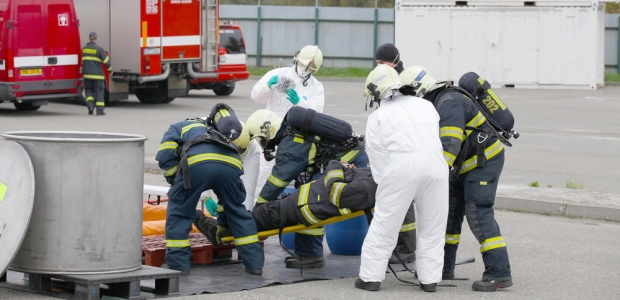
It's more important than ever for employers to stay focused on OSHA regulations—not only to avoid citations and costly fines, but also to protect the organization's most valuable asset, the employees.
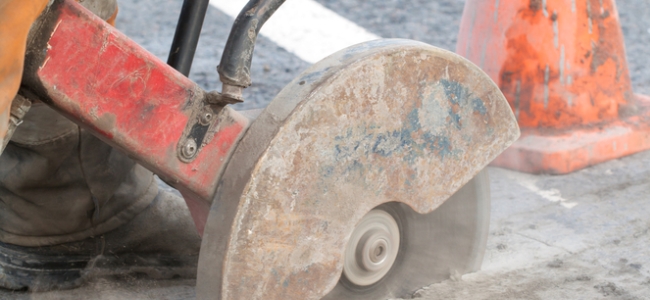
The more information you have about your own organization and workforce, the better the insight into how to reduce hazards to an acceptable level.
Stakeholders requested an extended comment period.
The draft contains guidance for establishing and implementing a respiratory program, including information on the knowledge and skills necessary for a fit test operator. The plan is to publish the standard by early 2018.
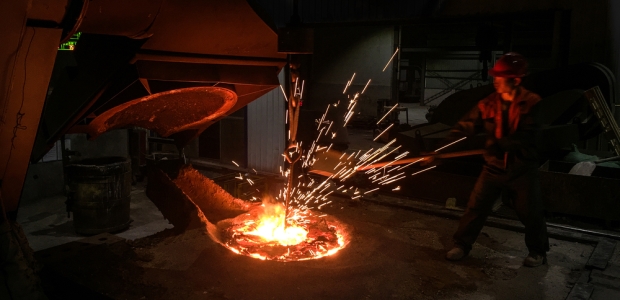
The rule will cut the eight-hour PEL from the current level of 2.0 micrograms per cubic meter to 0.2 micrograms per cubic meter. Above 0.2, employers woiuld have to take steps to reduce the airborne concentration of beryllium, and the rule requires additional protections that include personal protective equipment, medical exams, other medical surveillance, and training.
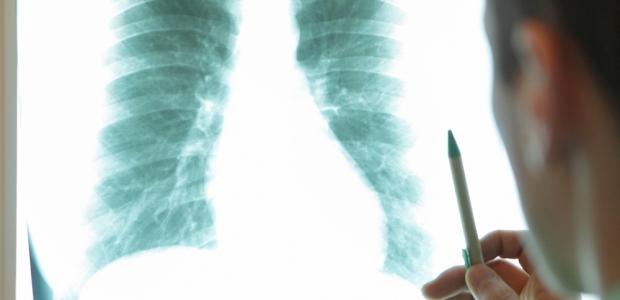
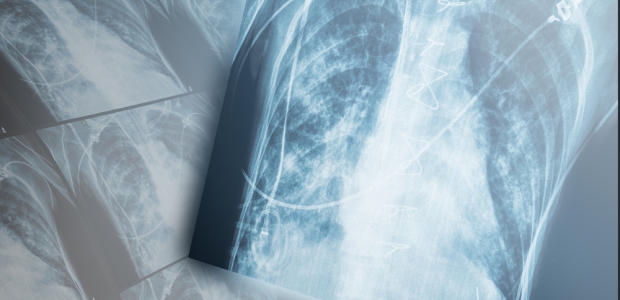
The report describes a cluster of 60 cases of PMF identified in current and former coal miners at one Eastern Kentucky radiology practice during January 2015–August 2016, a cluster that was not uncovered by the national surveillance program.

The 108-page guide developed in partnership with AgSafe and the BC Dairy Association covers various hazards, including confined spaces, working with electricity, livestock and animal medicines, mobile equipment, ergonomics, PPE, respiratory protection, and fall protection.