Dampness can promote the growth of mold, bacteria, fungi, and insects. Workers and others in damp buildings can be exposed to airborne pollutants from biological contaminants and the breakdown of building materials.
The rules expand a protective zone, extend the evacuation period, require storage for boots and shoes to prevent pesticides from being tracked into workers' housing, and require doors, windows, and air intakes to be closed when pesticides are applied.
The proposed changes would clarify the standard and simplify or improve standard compliance.
In the report, the National Academies study committee said addressing the respiratory needs of health care workers across their wide range of settings and jobs is an ethical imperative, adding that it will require the design of innovative reusable respirators and implementation of robust respiratory protection programs.
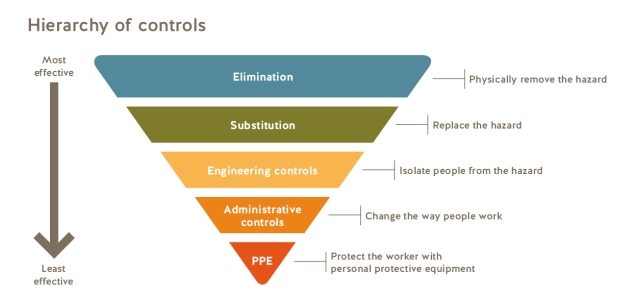
Controlling the risks is done by applying the hierarchy of controls: elimination, substitution, engineering controls (such as ventilation systems to remove welding fume), administrative controls, and finally, PPE.
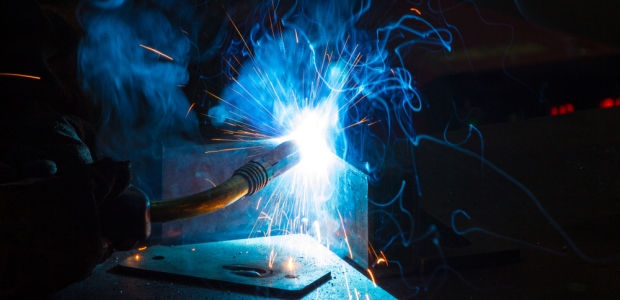
Voting is under way on a shortlist of five finalists, including one focused on preventing welding fume exposures in the rail industry, after Safe Work Australia received more than 70 entries.

Monitoring and sampling for dusts, gases, vapors, and mists should be a part of any personal exposure assessment initiative and is not only accepted practice, it represents best practice when done correctly.

New and innovative PAPR products are increasing user acceptance and protecting workers better.
The pneumatic drill generated 444 times the OSHA permissible exposure level of silica dust, while the electric drill generated 11 times the OSHA level. The pneumatic drill's noise level was also greater than that of the electric drill, according to one study highlighted in NIOSH's October 2018 Research Rounds.
"Hurricane Key Messages for Employers, Workers and Volunteers" covers the potential dangers involved in cleanup work after storms and flooding and the proper safety precautions, with links at the end of each section to additional resources.
The MIOSHA CET Grant Program funds additional options for health and safety education and training for employers and employees, focusing particularly on hazard recognition and prevention for high hazard industries.
"It's clear that companies are taking the initiative to address the health and safety challenges in each sector," said NIOSH Mining's Dr. Jessica Kogel. "It's heartening to see the industry develop its own meaningful solutions."
"The UN General Assembly is taking an important step in highlighting the need for governments and global health funders to invest in primary prevention to reduce silica dust hazards in high-risk workplaces. This UN action recognizes that we can take action to prevent TB, and not just treat it," said Perry Gottesfeld, executive director of OK International.
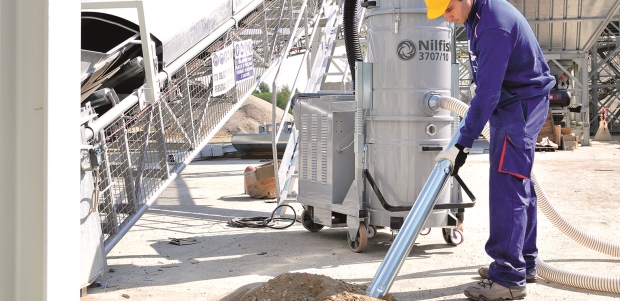
On June 23, most provisions of OSHA's silica standard for general industry became enforceable. Many employers still have a long way to go to achieve full compliance.
The FAQs were developed by OSHA, along with industry and labor organizations. They provide guidance on the crystalline silica standard requirements for employers and workers in construction.
The partners will develop safety and health training programs and procedures; identify and address common construction hazards, such as falls, electrical, silica, noise, and carbon monoxide exposure; and encourage workers to participate in employers' safety and health programs.
OSHA has issued $370,358 in proposed penalties to Vigor Marine Inc. and cited the company for 16 willful and serious violations following an inspection at the shipbuilder's Portland, Ore., facility.
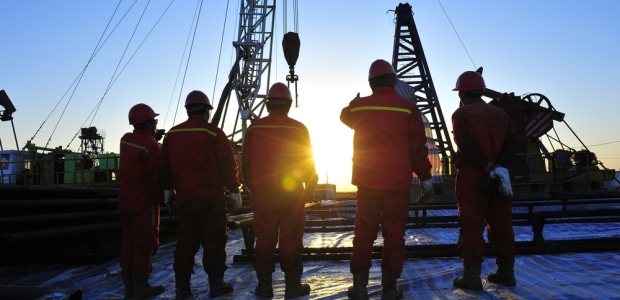
One objective listed in it concerns motor vehicle crashes, which accounted for 44 percent of all fatal injuries in the industry during 2016, according to BLS. Actions under this objective include identifying and promoting strategies to increase seat belt use, strategies to improve driver performance, and strategies to reduce driver fatigue and driver distraction.
The project brings together scientists from five universities and the NSF-funded National Center for Atmospheric Research. "This is a challenging field campaign," said atmospheric scientist Emily Fischer of Colorado State University. "It's not like measuring the plume from, say, a power plant."
In two recent site inspections, the workers did not use proper safety equipment, required air sampling was not performed, and asbestos-containing material was left exposed to the public and was improperly taken through public areas.