MSHA aims to solicit comments, data, and information from stakeholders to assist in developing the framework for a study to assess the dust rule’s health effects.
Wildfire smoke contains chemicals, gases, and fine particles that can be harmful to health.

The Coal Mining industry needs go to beyond current regulations in order to combat the increase in cases of black lung disease, according to a new report released Thursday by the National Academies of Sciences, Engineering, and Medicine.
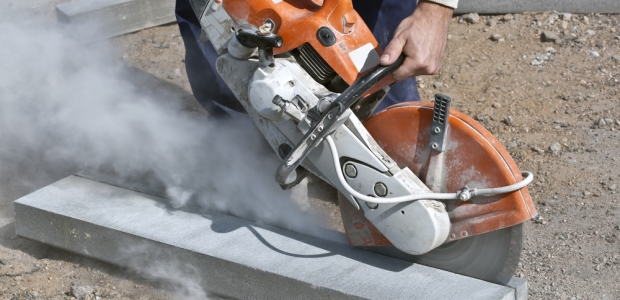
OSHA requires that engineering controls be used to achieve necessary exposure reductions unless infeasible; organizations may not simply issue respirators and "be done with" their attempts to lower exposures.

Different equipment protects against different risks. Ensure your equipment matches the risk.
The agenda document says during 2011-14, seafood processing workers experienced the highest injury/illness rate among all maritime workers: 6,286 injuries and illnesses per 100,000 workers, according to 2016 BLS data.
Most provisions of the standard become enforceable on June 23. OSHA announced it intends to issue interim enforcement guidance until a compliance directive on the new standard is finalized.
"These actions provide the American people with transparency and an opportunity to comment on how EPA plans to evaluate the ten chemicals undergoing risk evaluation, select studies, and use the best available science to ensure chemicals in the marketplace are safe," EPA Administrator Scott Pruitt said. "At the same time, we are moving forward to take important, unprecedented action on asbestos."
Federal, state, city, and medical partners of NIOSH are awaiting its findings about the stockpiled PPE. Researchers are in the second year of a three-year project.

Subject to conditions and limitations, some N95s will be exempt from FDA premarket notification requirements, meaning that N95 manufacturers will be able to submit a single application to NIOSH rather than submitting paperwork for clearance and approval from both agencies.
Comments may be submitted, identified by CDC-2018-0024 and Docket Number NIOSH-302, either via www.regulations.gov or by mail.

During the Puyallup event, which will run from 7 a.m. to 3:45 p.m., speakers will cover topics including fall protection, trenching, biohazards, lockout/tagout, and silica exposure prevention.
A direct final rule clarifies the definitions of Beryllium Work Area, emergency, dermal contact, and beryllium contamination, and it clarifies provisions for disposal and recycling and provisions that OSHA intends to apply only where skin can be exposed to materials containing at least 0.1 percent beryllium by weight.

Here's how to easily and successfully meet OSHA standards with your concrete drill.
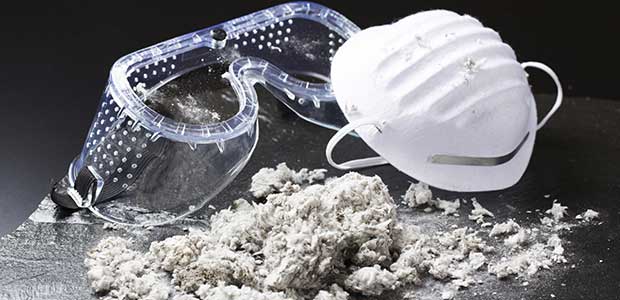
"We are calling on everyone, including employers, to do the right thing; to protect the people who work for them," IOSH President Craig Foyle said. "IOSH has an array of resources designed to assist employers put measures in place which protect their workforce."
According to the commission, the new limits would improve working conditions for more than 1 million EU workers and prevent more than 22,000 cases of work-related illness, including cancers.
MSHA sought information and data on the effectiveness of its current standards and policy guidance on controlling miners' exposure to diesel exhaust -- standards that date to 2001, when an MSHA final rule established new health standards for underground metal and nonmetal mines that use equipment powered by diesel engines.

Four new documents offers tips on the design and use of exposure controls for nanomaterial production, post processing, and use. They are posters that pose questions employers and workers should consider before starting work with a nanomaterial and list options to reduce exposures to nanomaterials based on the physical form.
The campaign will address dangerous substances that can cause chronic or acute illness, such as respiratory diseases, cancer, mesothelioma, poisoning, skin diseases, reproductive problems and birth defects, and allergies.
Phase one focused on ice rinks and recreational facilities. Of the 223 sites inspected, 181 were using ammonia refrigeration systems. Inspecting officers issued 1,134 orders, three compliance agreements were created, and one stop use order was issued.