The review will focus whether or not staff that used the hoses could have been exposed to chemical compounds from the hoses themselves.
The agency recommends a recommended exposure limit of 5 ppb for diacetyl as a time-weighted average for up to 8 hours/day during a 40-hour work week and a short-term exposure limit of 25 parts per billion for a 15-minute time period.

It's more important than ever for employers to stay focused on OSHA regulations—not only to avoid citations and costly fines, but also to protect the organization's most valuable asset, the employees.
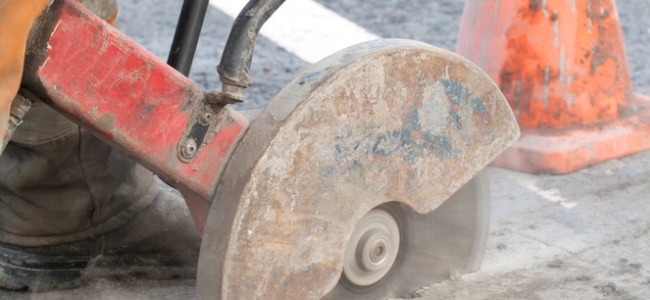
The more information you have about your own organization and workforce, the better the insight into how to reduce hazards to an acceptable level.
Stakeholders requested an extended comment period.
The draft contains guidance for establishing and implementing a respiratory program, including information on the knowledge and skills necessary for a fit test operator. The plan is to publish the standard by early 2018.
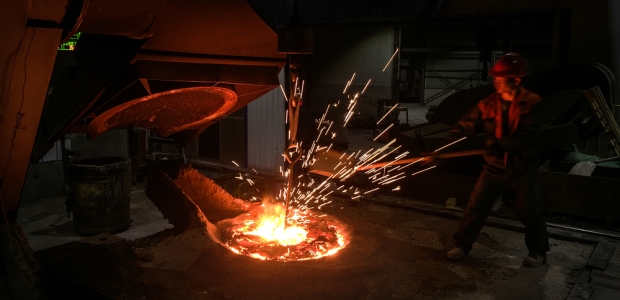
The rule will cut the eight-hour PEL from the current level of 2.0 micrograms per cubic meter to 0.2 micrograms per cubic meter. Above 0.2, employers woiuld have to take steps to reduce the airborne concentration of beryllium, and the rule requires additional protections that include personal protective equipment, medical exams, other medical surveillance, and training.

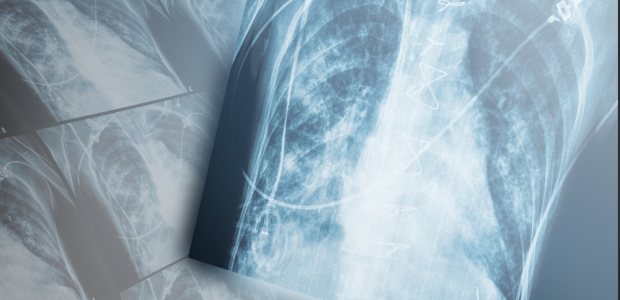
The report describes a cluster of 60 cases of PMF identified in current and former coal miners at one Eastern Kentucky radiology practice during January 2015–August 2016, a cluster that was not uncovered by the national surveillance program.

The 108-page guide developed in partnership with AgSafe and the BC Dairy Association covers various hazards, including confined spaces, working with electricity, livestock and animal medicines, mobile equipment, ergonomics, PPE, respiratory protection, and fall protection.
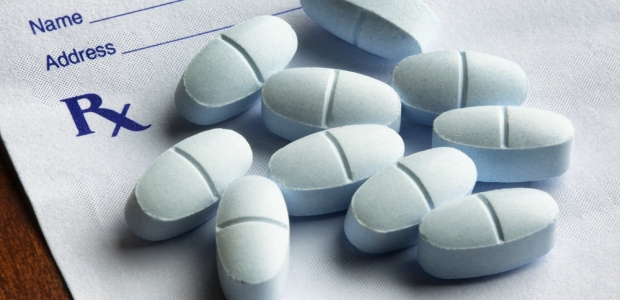
"Fewer Americans are dying young from preventable causes of death," said CDC Director Dr. Tom Frieden, M.D., MPH. "Tragically, deaths from overdose are increasing because of the opioid epidemic, and there are still large differences between states in all preventable causes of death, indicating that many more lives can be saved through use of prevention and treatment available today."
In putting together the guide, the working group considered the practices of hundreds of inspectors from the 28 member states of the European Union. The first release is in English and it will be translated to all official languages in the EU.

Differentiating between contaminants that are gaseous or dust can be crucial in ensuring your PAPR is the proper PAPR.
"We know these flavoring compounds can pose a great risk for workers who may be exposed on the job, causing serious and irreversible damage to their lungs," said NIOSH Director Dr. John Howard, M.D., MPH.

When respiratory hazards cannot be eliminated and employers are considering using respiratory protection, choosing the right respirator is the key.

Fall protection was at the top of the list.
Twenty years of research inside the L Building has brought about a Ladder Safety App and advancements in respiratory protection and identifying lung disease.
The company has been placed in OSHA’s Severe Violator Enforcement Program.
The protocols would apply to employers in the general, shipyard and construction industries.
Inspectors found the company did not implement engineering, work practice, or respiratory protection controls and exposed about 40 employees to lead.
The researchers found that workers who had been exposed to respirable indium for nearly two years or more exhibited shortness of breath, lower lung function, and higher levels of markers in the blood for lung damage.