
Virtually all portions and requirements of OSHA's Crystalline Silica Standards are now in effect and enforceable, so immediate compliance is imperative.
For the first time, U.S. physicians' rates of suffering needlesticks and sharps injuries exceeded nurses' rates during 2017, an International Safety Center presenter said during a "Biosafety Issues in IH" session at the AIHce EXP 2019 conference.
The British Safety Council’s recently released report, Impact of air pollution on the health of outdoor workers, makes an argument for recognizing air pollution as an occupational health hazard in Britain.
The partners will focus on falls, electrical safety, silica exposure, and safe practices for steel erectors and aerial boom lifts.
Inhalation injuries are the most common. When CDC examined emergency department visits due to pool chemical injuries during 2015- 2017, the top diagnosis was poisoning due to breathing in chemical fumes, vapors, or gases—as when opening chlorine containers, for example.
In a letter to EPA Administrator Andrew Wheeler, the safety board cited two of its recent investigations. CSB conducted public hearings in both at which members of the surrounding communities expressed concern about the adequacy of the risk management strategies for the use of HF and the effectiveness of community notification procedures in the event of a catastrophic release.
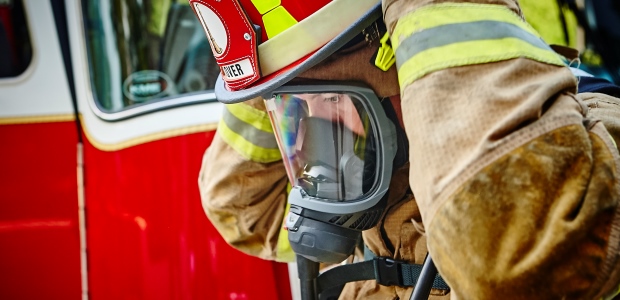
I cannot stress enough how important it is for all first responders to always wear respiratory protection on the fireground—even after the fire is out.

PAPRs are useful and often necessary in many types of hazardous jobs and conditions.
The International Safety Equipment Association is warning firefighters against use of "MAE-requalified" breathing cylinders, citing health and safety concerns.

The authors conclude that high COPD prevalences in certain industries and occupations among persons who have never smoked underscore the importance of continued surveillance, early identification of COPD, and reducing or eliminating risk factors such as occupational exposures to dust, vapors, fumes, chemicals, and indoor and outdoor air pollutants.
Presented at the section's March 28 meeting at Miami University's Shriver Center in Oxford, Ohio, the award acknowledged Dr. Pramod Kulkarni's work in developing real-time, field-portable instruments that provide information on aerosols in workplace atmospheres.

All hazards must be identified before entry to the space and listed on the permit.

NIOSH and partners released a new video to help first responders understand the risks of occupational exposures to illicit drugs and what they can do to protect themselves from exposure while responding to an emergency.
WorkSafeBC has posted a new guide, posters, and a video addressing hazards specific to craft-brewing and distilling processes, including carbon dioxide and confined spaces.
A federal grand jury also charged the nine Armstrong Coal officials with making false statements as to results of tests required to be conducted every 60 days to protect certain "designated occupations," which are the dustiest and most dangerous job assignments in a coal mine.
Valerie Wolfe, chair of the Ontario Occupational Disease Action Plan Implementation Team, said occupation disease "is a serious and poorly understood issue in Canada. Incidence numbers are high. Impact is delayed, debilitating, and frequently fatal. This website is a critical step in raising awareness of health risks in the workplace and, most importantly, provides evidence-based knowledge that can drive prevention."
Safe Work Australia is asking for comments on the draft evaluation reports and recommendations for respirable crystalline silica and respirable coal dust by April 30, saying it will consider them when making final recommendations regarding the workplace exposure standards.
The screenings are intended to detect coal workers' pneumoconiosis, or black lung, early. Black lung is a serious but preventable occupational lung disease caused by coal miners breathing respirable coal mine dust.
There is new scientific evidence that exposure to all welding fume, including mild steel welding fume, can cause lung cancer and limited evidence it is linked to kidney cancer, HSE pointed out in a notice it called a "change in enforcement expectations."

Understanding the OSHA enforcement guidance will help you. It gets to the heart of what OSHA feels are key aspects of how it expects employers to comply.