
Nationwide event returns August 12–18 with free tools, recognition, and resources to help businesses improve workplace safety and health.

The National Safety Council applauds a Senate appropriations bill that preserves OSHA funding and boosts NIOSH support for FY2026, as lawmakers address critical issues like workplace opioid misuse and heat-related injuries.

NIOSH faces deep funding cuts that threaten critical worker safety programs as AIHA ramps up a nationwide advocacy campaign to restore support and preserve the occupational health ecosystem.

As temperatures rise, OSHA reminds employers and workers to take preventative measures against heat illness through training, hydration, and emergency preparedness.

After 11 trench-related fatalities this year, OSHA is calling on employers to implement proven safeguards to prevent collapses and protect workers from deadly excavation hazards.

A federal court has ordered Mar-Jac Poultry AL LLC to pay $385,000 in civil penalties and comply with strict oversight measures following repeated violations of federal child labor laws, including hiring minors for hazardous work.

Six federal agencies introduce or expand self-audit initiatives to help employers, unions, and benefits administrators proactively identify and correct labor law violations.

Union leaders testify at a federal hearing, pressing for comprehensive protections against heat-related injuries and deaths in both outdoor and indoor workplaces.

Bruce Lyon has been honored with the 2025 Prevention through Design Award for his leadership in risk management and advancing safety standards that eliminate workplace hazards through proactive design.

Tariffs on steel, aluminum, and other imported goods are driving up costs and altering global supply chains—pressuring industries to cut back on safety investments and exposing workers to new occupational hazards.
The Department of Labor's plan to eliminate 63 federal regulations raises concerns about the future of worker safety. Proposed cuts to OSHA’s budget and staff, along with deregulatory moves, could significantly affect enforcement and compliance oversight.

New policy expands penalty reductions for small employers and incentivizes quick hazard abatement to improve workplace safety.
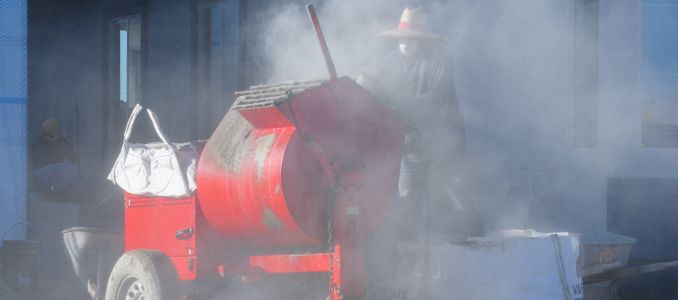
OSHA cited Brazilian Stone Design LLC with seven serious violations and $33,000 in penalties after finding workers exposed to high levels of respirable crystalline silica.

Public feedback is being requested on the continued approval of information collection for a national program that fosters voluntary partnerships to advance workplace safety and health.

Improper dumpster use on job sites can lead to serious injuries—these expert-backed safety practices help reduce risks, protect workers, and keep construction waste management OSHA-compliant.

A new OSHA proposal would limit the use of the General Duty Clause in cases where workplace hazards are considered inherent to professional, athletic, or entertainment activities.

A new proposal would exempt workers using filtering facepiece and loose-fitting powered air-purifying respirators from mandatory medical evaluations, citing minimal physiological risk.

Citing limited benefit and existing recordkeeping requirements, OSHA ends its rulemaking effort to add a musculoskeletal disorders column to the OSHA 300 Log.

The Mine Safety and Health Administration moves to limit discretionary enforcement by district officials, citing legal and constitutional concerns.

Labor Secretary Lori Chavez-DeRemer’s plan to cut 63 federal rules signals a major shift—safety pros must stay vigilant as deregulation reshapes compliance, training, and oversight.