
Good safety systems help spot problems early and keep workers safe.

OSHA sets the baseline for fall protection—but is that really enough? As fall-related fatalities continue to rise, safety leaders must rethink their approach, with or without regulatory oversight.

Three-year OSHA partnership to provide free safety training and hazard prevention education for students, workers, and employers in high-risk industries.

The five-year program update expands industry targeting, removes low-risk sites from inspection lists, and sharpens focus on machine-related injury prevention.

Designed for entry-level workers, the course covers OSHA standards, hazard prevention, and worker rights across multiple industries.

Officials urge outdoor workers and employers to prevent heat illness with rest, water, and shade as part of the “Beat the Heat” campaign.

As temperatures climb to 115°F, the Arizona Heat Standards Coalition and allies call on state officials to adopt enforceable protections for workers facing extreme heat.

National COSH and allies mobilize across the U.S. as OSHA begins hearings on historic federal heat safety rule.

A recent fatal entrapment incident has prompted MSHA to reissue safety guidance, highlighting ongoing risks in surface coal operations and the importance of stockpile stability, cab protections, and mobile equipment protocols.

A phased pause at federally funded Job Corps sites raises questions about how entry-level workers in high-risk industries will access essential safety and workforce readiness programs.

J. J. Keller’s latest study draws on nationwide data from safety professionals to provide a current snapshot of compliance strategies, training investments and risk management priorities across industries.

A follow-up inspection at a New York warehouse prompted a federal agreement that includes new safety protocols, employee retraining, and oversight across multiple Adidas facilities.

A year-long collaboration between OSHA, state agencies, labor leaders, and contractors showcases how integrated safety efforts can shape workplace culture and outcomes in high-risk industries.

A new initiative aims to improve how individuals and organizations access official guidance on complex workplace regulations across five key enforcement divisions.

With parts of the state expected to reach triple-digit heat, employers are reminded of their legal obligations to protect both indoor and outdoor workers from serious heat-related illnesses.

A recent inspection uncovered unprotected trench work at a Beaverton construction site, prompting state officials to issue citations for multiple safety failures.

A confidential, cost-free program has helped employers nationwide prevent injuries, cut costs, and build a culture of safety.

A new statewide effort brings together employers, workers, and safety officials to address rising heat risks on the job.

The updated inspection program targets workplaces with high, rising, or unusually low injury and illness rates.
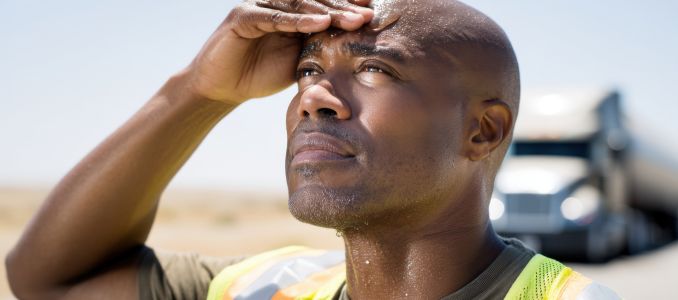
As California temperatures rise, employers are being urged to take proactive steps to protect workers from the dangers of heat illness in both indoor and outdoor settings.