
DME Construction Associates will pay $600,000 and implement enhanced fall protection and safety measures following an OSHA investigation into a fatal workplace fall.

As workplace risks grow more complex, industrial hygiene programs must align exposure assessment strategies with analytical excellence to deliver meaningful worker protection.

The International Safety Equipment Association said reinstating NIOSH staff preserves critical worker safety research, testing, and health programs.

The 2026 State of the Skilled Trades report from NFPA finds workers expect more AI on the job but want stronger training and protections as labor shortages persist.
HHS has reinstated hundreds of NIOSH employees after widespread concern that staffing cuts threatened critical occupational safety and health research.

The Connecticut Department of Labor has joined a six-state enforcement alliance to share data, target repeat violators, and strengthen worker protections across state lines.

The strategic partnership aims to reduce construction hazards through improved safety systems, training, and leadership engagement during work on the Cemetery Brook Drain Tunnel Project.
The latest update to NFPA LiNK introduces AI-powered tools and workflow enhancements designed to help safety professionals apply codes and standards faster, more accurately, and with greater confidence.
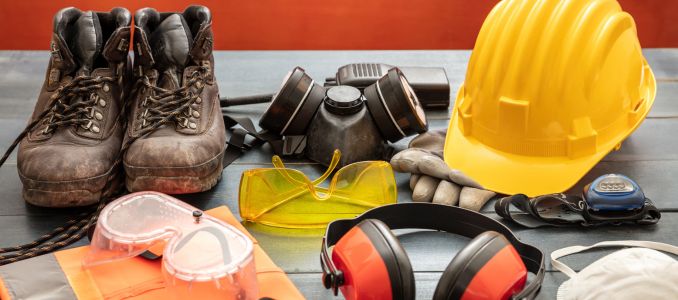
A free, multilingual publication aims to help Oregon workers recognize workplace hazards, understand employer responsibilities, and take action to protect their safety and health.

Federal investigators found a Texas trucking company violated whistleblower protections by firing a driver who raised vehicle safety issues.

Reducing safety investment may deliver short-term savings, but U.S. data shows it often leads to higher financial, legal, and operational costs over time.

National Safety Council highlights overdose prevention, impairment risks, and employer-led safety efforts after Senate confirms Sara Bailey as drug czar.

Rule updates replace “discrimination” with “retaliation” terminology and revise worker protection language in Title 296 WAC.

The new federal program aims to expand registered apprenticeships in advanced manufacturing, strengthening workforce training and supporting safer performance in safety-sensitive roles.

The National Safety Council (NSC) warns that evolving federal cannabis policy must be paired with strong impairment and safety controls to protect workers in safety-sensitive roles.

Agency highlights training, supervision, and legal requirements as youth employment increases statewide.
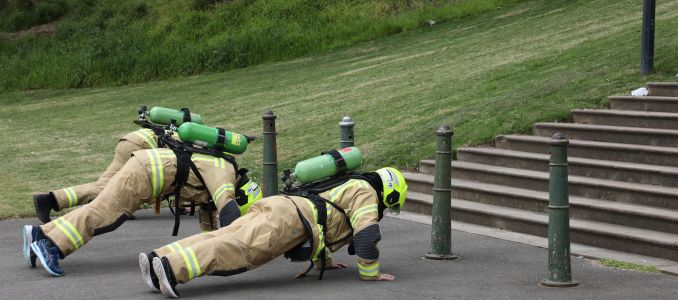
The campaign will focus on physical fitness and its role in reducing preventable injuries and deaths in the fire and emergency services during Safety Stand Down 2026, June 14–20.

Federal deregulation is slowing OSHA’s rulemaking, but targeted proposals—such as exemptions for inherently risky activities and continued heat-safety efforts—signal selective regulatory shifts. At the same time, states are advancing their own standards, creating a more complex compliance environment for employers.

OSHA issues new letters of interpretation to clarify how employers must apply key safety standards, from confined spaces to recordkeeping and audiometric testing.

Recent global fire incidents highlight how quickly small oversights can turn deadly. Reviewing core NFPA 101 concepts—clear egress routes, accurate occupancy classifications, working detection systems, and consistent training—can help U.S. employers strengthen life-safety programs in 2025.