
The guidance follows President Donald Trump’s memorandum on making general use respirators available for health care providers.
Many industries and workplaces will need to enforce the use of respirators to best protect workers from the coronavirus exposure.
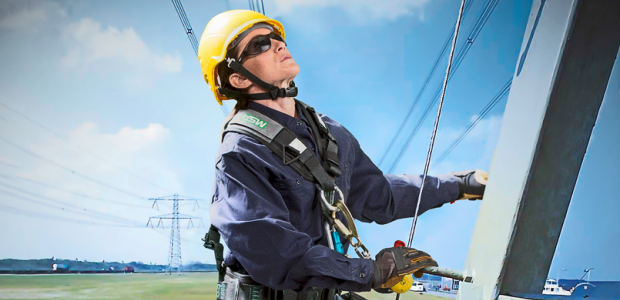
A hard hat is designed to protect from impacts that could damage the brain, so take its upkeep seriously.

Think of your hard hat as a walking billboard promoting your company and its safety principles.

The protective measures and equipment that welders require are spelled out in OSHA's 29 CFR 1910.252, the welding, cutting, and brazing standard.

Training workers is vital in making sure the PPE is doing its job in protecting the users.

Depending on the environment, bump caps can be customized to suit most situations.

Where progress has been made, it is largely attributed to better legislation, safer infrastructure, improved vehicle standards, and enhanced post-crash care.

One of the newest consensus standards from the International Safety Equipment Association aims to prevent head injuries and other serious injuries and damage from the impact caused by dropped objects.
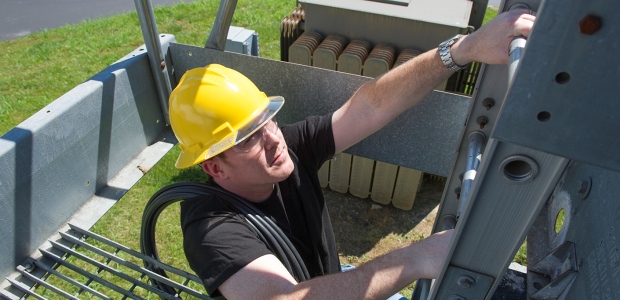
I have heard so many stories from workers who have credited wearing a hard hat with saving their lives.
The hard hats can fail to protect users from impact, they report. No injuries have been reported. About 82,000 of the recalled hart hats were sold in the United States and another 65,550 were sold in Canada, CPSC reported.

Head and face hazards are a constant for workers in construction, waste management, and in some manufacturing settings.

The National Safety Council's "Injury Facts, 2017 Edition" informs us that the most expensive lost-time workers' compensation claims are for those involving the head and central nervous system.

Thirty-eight departments are the first in the state to receive funding under BWC's Firefighter Exposure to Environmental Elements Grant Program, which provides $2 million a year to help departments purchase safety gear and equipment designed to protect firefighters from carcinogens and other harmful elements encountered during fires.

The Indianapolis presentation will focus on prevention best practices and provide an overview of a new industry initiative in development by ISEA and the Dropped Objects Solutions Committee that seeks to standardize solutions.

Your first line of defense is using your head to eliminate hazards and implement engineering and administrative controls.
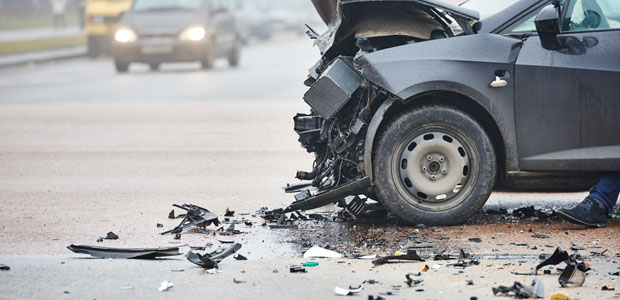
More than 3.5 million adults and children suffer an acquired brain injury every year. Traumatic brain injury, a subset of ABI, affects at least 2.5 million children and adults annually in this country, with 280,000 TBI hospitalizations and 50,000 TBI deaths recorded annually.

Hazards overhead are a concern for workers in many industries, notably upstream oil and gas and construction.
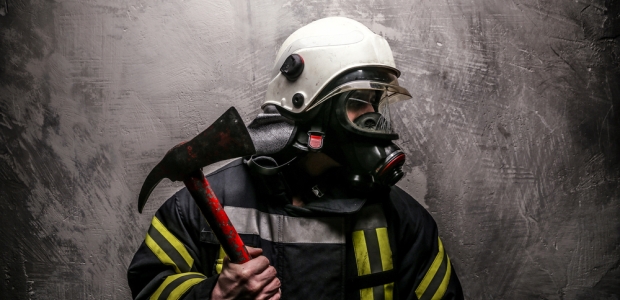
"Given the increase in occupational cancer incidents in the fire service, we feel it is best to err on the side of caution as we await additional scientific research on PPE and learn more about the absorption of carcinogens near the forehead, jaw, neck, and throat," said Ed Conlin, the NFPA Public Fire Protection division's manager.
The U.S. Army Research Laboratory has a partner in this work -- the Japanese Ministry of Defense. On Dec. 19, 2016, Japanese medical researchers visited Maryland for an update on the work.