This company has disregarded the safety of its employees and repeatedly allowed them to be exposed to struck-by hazards from structural failure, electrocution hazards and falls," said Robert Vazzi, OSHA's area director in Savannah.
According to FMCSA's Safety Belt Usage by Commercial Motor Vehicle Drivers Survey, the number of commercial drivers that are wearing safety belts has increased by 14 percent since 2007.

A May 10 meeting will discuss apparent violations of NRC licensing requirements, the agency announced.
The sweep, in which 37 FMCSA and state investigators conducted compliance reviews of 67 moving companies, was part of the agency’s year-round Household Goods Strike Force initiative designed to protect the public from fraudulent moving companies.
"Our inspections found maintenance workers exposed to a variety of health and safety hazards while performing their duties, including stripping paint, removing drywall, and clearing basements of raw sewage that had backed up during heavy rains," said Kay Gee, OSHA's Manhattan area director.

The final rule deals to a significant extent with lockout/tagout. It was published on Monday and will take effect Aug. 1, 2011. The LOTO provision becomes effective and enforceable Oct. 31, however.
Discussions will include identifying regulatory options that can minimize the costs to small- and medium-sized businesses of reducing or preventing combustible dust hazards, while protecting workers from these hazards.
The Pipeline and Hazardous Materials Safety Administration, part of DOT, issued the NPRM April 29 to expand on prohibitions already proposed by the Federal Motor Carrier Safety Administration.
While inspecting the site, OSHA found that two trenches—including the one in which the injured employee was working—lacked cave-in protection, as neither had a trench box or shield system.

According to NTSB investigators, the conductor failed to observe both the yellow and red signals alerting him of the situation on the tracks "because he was engaged in the prohibited use of a wireless device, specifically text messaging, that distracted him from his duties."
Construction falls and trench collapses might occur at any time during the year, but they typically peak during the summer.
After EEOC filed a lawsuit April 6, the U.S. Labor Department has obtained a partial summary judgment requiring Henry's Turkey Service and its president to pay $1.76 million in back pay and damages.
OSHA began an inspection in October 2010 after an employee died when he was crushed by a large steel frame weighing approximately 1,550 pounds. Proposed penalties total $127,200.
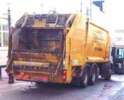
A waste hauling company was fined that amount in connection with the 2007 death of a pedestrian, Anne Smith, when one of its trucks backed over her in Brighton, England.
The recycling facility located in Buffalo, N.Y., was cited for hazardous energy control (lockout/tagout) and bloodborne pathogen hazards, among others.
Each year, thousands of outdoor workers experience heat illness, which often manifests as heat exhaustion. If not quickly addressed, heat exhaustion can become heat stroke, which killed more than 30 workers last year.
"Eliminating safety barriers and failing to develop emergency plans because they are inconvenient or time-consuming is no excuse for endangering employees," said William Fulcher, director of OSHA's Atlanta-East Area Office.
The projection is based on the rate at which states have been adopting comprehensive smoke-free laws. In the past 10 years, 25 states and the District of Columbia have enacted these laws, the CDC report said.
OSHA has issued the company 13 safety citations for failing to provide fall protection and implement water safety procedures for workers sandblasting and painting the Interstate 75 Disalle Bridge more than 40 feet above the Maumee River.
Violations include exposing workers to combustible dust, fall and electrical hazards, among others.