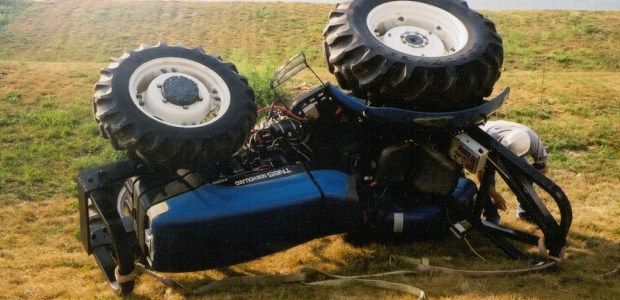
The goals are to find a national funding source and an adequate supply of the rollover protective systems (ROPS) needed for older tractors.

The agency's proposed rule defines training requirements associated with reverse logistics shipments; provides authorized packaging for reverse logistics shipments; sets segregation requirements for reverse logistics shipments; and allows more flexibility for the transportation of used lead acid batteries.

Failing to isolate tank-cleaning operations from ignition sources was the probable cause, with failure to provide adequate tank-cleaning training to employees a contributing factor.

The agency published a request for information about possible revisions to its RMP regulations on July 31, as required under Executive Order 13650.

SAMHSA's latest report shows a 10 percentage increase from 2006 to 2012.

The agency has proposed a new federal motor carrier safety standard to enhance protections for rollover crashes.
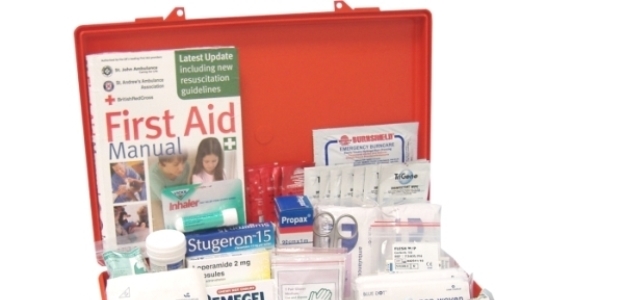
Sept. 8 is the deadline for submitting comments on the revision of ANSI/ISEA Z308.1-2009.

The sector's recovery has been uneven, according to the association’s economist, who said Congress’ bill to temporarily fund the Highway Trust Fund doesn’t help.
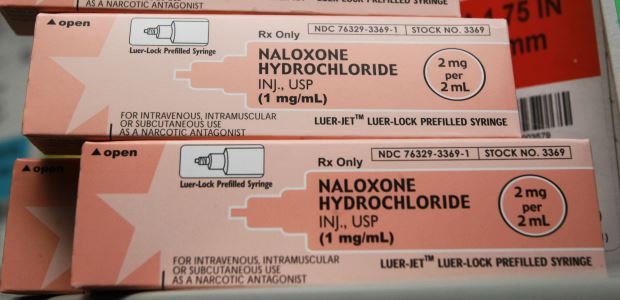
He urged federal law enforcement agencies to train and equip personnel who may interact with someone overdosing on opioids.

When you begin a glove trial, it is important to consider as many application-specific issues as possible.

One of OSHA's top concerns this year, the safety of temporary workers, is the focus of the Sept. 16 Occupational Keynote.

Accountability is the key, so get everyone involved in housekeeping.

Use them sparingly. Many pathogens are becoming immune to some of the disinfectants and sanitizers previously used to eliminate them.
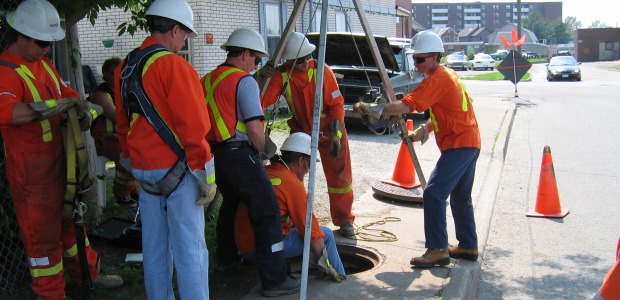
Test your knowledge and recognize the real threats.

Eye injuries are of primary concern. The effect to the eye depends on various factors, including pupil size, pigmentation, laser pulse duration and repetition, and wavelength.

It is extremely important to consider the three pillars of comfort—heat and moisture management; fabric hand; and garment fit/design—when evaluating your options.
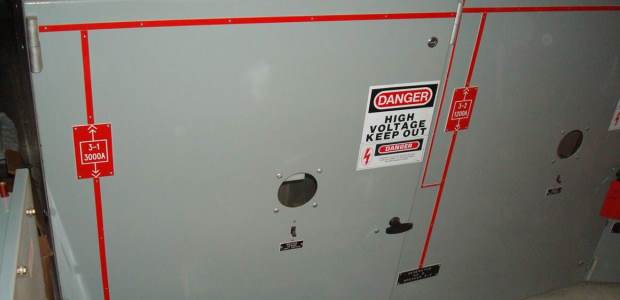
We could point to several mistakes that were made in this case, but the root cause does not belong entirely to the worker.