
Deploying IoT wearables and AI video analytics provides short-staffed EHS teams with continuous visibility, closing operational blind spots and stopping SIFs before they occur.
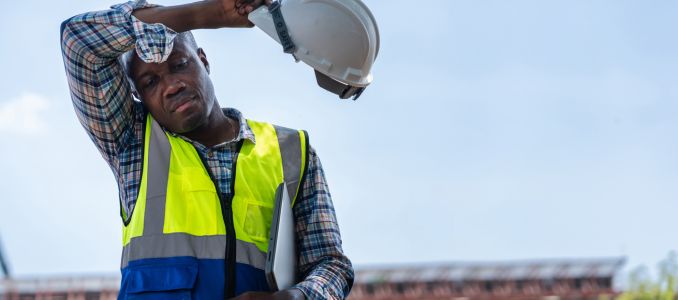
The Fired Up! National Week of Heat Action includes events in nine states calling for stronger protections against workplace heat hazards.

Serious Injury and Fatality (SIF) rates remain stubborn because critical warnings get filtered out long before reaching executive decision-makers.

A total of 75 veterans received scholarships for the Advanced Safety Certificate program to advance careers in occupational safety.

Washington regulators seek construction safety agenda ideas ahead of the hybrid Construction Advisory Committee meeting on Sept 29.
Five-year extension continues comprehensive inspections targeting common hazards in warehouses and distribution centers while clarifying when inspections may be expanded.

Compliance alone does not guarantee worker safety. A complete-system approach that integrates hazard assessment, engineering, equipment selection, training, rescue planning and documentation can help organizations close critical gaps and better protect workers at height.

Emergency plans depend on workers receiving timely, accurate information, yet communication gaps continue to undermine response efforts. New technologies are helping facilities deliver critical alerts faster, more clearly, and in multiple languages.
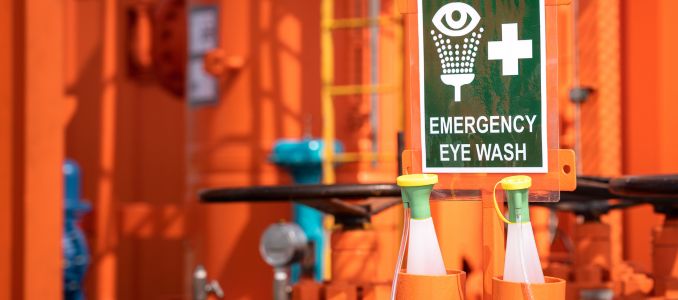
Experts warn that routine activation checks may confirm eyewash functionality without addressing hidden contamination risks inside low-use plumbing systems, spray heads, hoses, and internal components.
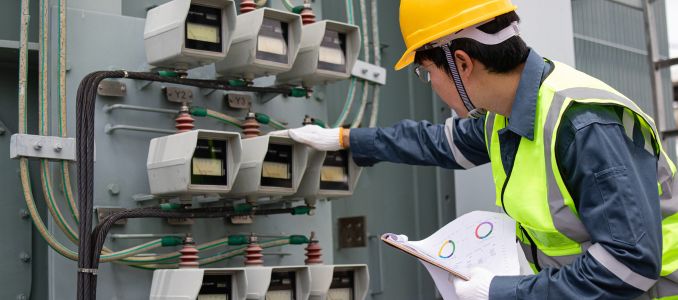
AI may improve hazard detection and injury prevention, but organizations that rely too heavily on automation could inadvertently weaken the human skills and organizational resilience needed to manage unexpected events.